










Transform Your Home’s Appeal with Professional Home Staging
 June 30, 2026
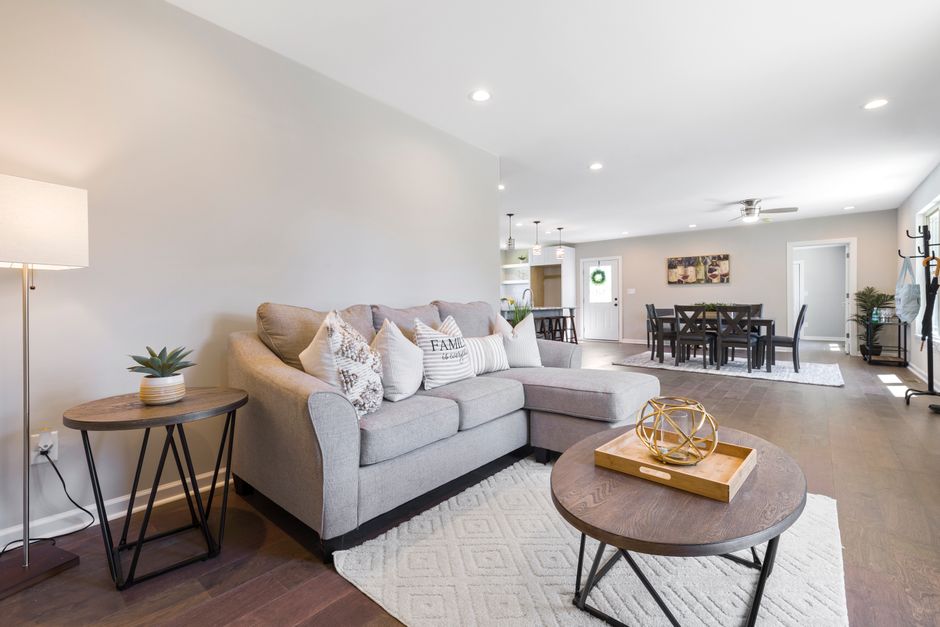
In the competitive real estate market, first impressions matter significantly. Home staging has emerged as a crucial strategy for homeowners and real estate agents looking to make their properties stand out. By enhancing the visual appeal of a home, staging can influence potential buyers’ perceptions and, ultimately, their purchasing decisions. In this article, we will delve into the essential elements of home staging, its benefits, and practical tips for achieving an inviting and attractive space.
What is Home Staging?
Home staging is the process of preparing a residential property for sale in the real estate marketplace. It involves strategically arranging furniture, decor, and other elements to highlight the property’s strengths, minimize its weaknesses, and create a welcoming atmosphere. This practice aims to allow prospective buyers to envision themselves living in the space, thereby increasing the likelihood of a sale.
Professional home staging services often include everything from decluttering and cleaning to selecting appropriate furnishings and accessories. The goal is to create a neutral yet attractive environment that appeals to a broad audience. According to the National Association of Realtors, staged homes sell 73% faster than non-staged homes, showcasing the effectiveness of this approach.
Benefits of Home Staging
Investing in home staging can yield significant returns. One of the primary benefits is that it can lead to a quicker sale. Homes that are staged not only attract more showings but also tend to receive higher offers. The same National Association of Realtors study reported that staged homes sold for an average of 17% more than their non-staged counterparts.
Another advantage is that home staging can help to highlight the property’s best features. By drawing attention to architectural details, natural light, and spaciousness, staging can transform a home into a desirable living space. Additionally, it can create a cohesive look that appeals to buyers, making it easier for them to imagine themselves in the home.
Key Elements of Effective Home Staging
To achieve successful home staging, several key elements should be considered. First, decluttering is essential. Removing personal items, excess furniture, and unnecessary decor can make the space feel larger and more inviting. This process allows potential buyers to visualize their own belongings in the home.
Next, it’s important to choose a neutral color palette. While bold colors may reflect personal style, they can deter potential buyers. Soft, neutral tones create a blank canvas that allows buyers to imagine their own decor. Furthermore, proper lighting is crucial. Bright, well-lit spaces appear more welcoming and can make the home feel larger.
Finally, consider hiring a professional staging service. Experts in the field understand the nuances of design and can create a cohesive look that appeals to a wide range of buyers. For those interested, exploring a home staging service can provide invaluable assistance in achieving the desired aesthetic.
DIY Home Staging Tips
If hiring a professional is not within your budget, there are several DIY tips that can help stage your home effectively. Start by conducting a thorough clean-up. A deep clean can make a significant difference in how your home is perceived. Pay special attention to kitchens and bathrooms, as these areas are often scrutinized by buyers.
Next, rearranging furniture can enhance flow and make spaces feel more open. Consider removing bulky pieces that may crowd the space. Additionally, adding fresh flowers or plants can introduce a touch of life and color without overwhelming the room.
Moreover, consider using mirrors to create an illusion of more space. Strategically placing mirrors can reflect light and make rooms feel larger and brighter. Lastly, ensure that each room has a clear purpose. Potential buyers should easily understand how to use each space, whether it’s a home office, guest room, or play area.
Conclusion
Home staging is an art and a science that can significantly impact the sale of a property. By investing time and resources into staging, homeowners can enhance their property’s appeal, attract more potential buyers, and ultimately secure a better price. Whether opting for professional services or implementing DIY strategies, effective home staging is a worthwhile endeavor in today’s competitive real estate market.