










The Rise of Sustainable Fashion Brands: A New Era in Style
 June 30, 2026
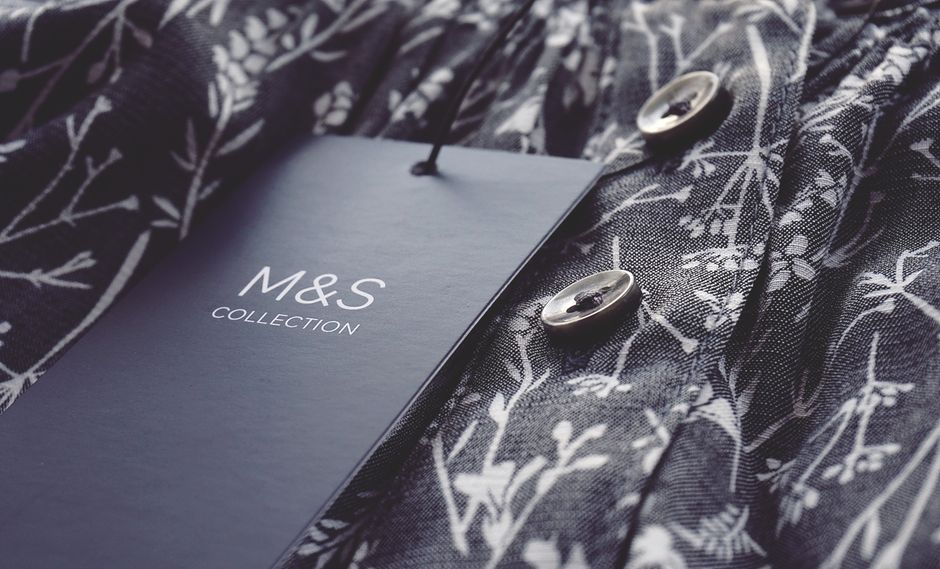
The fashion industry is undergoing a significant transformation as consumers become increasingly aware of the environmental and social impacts of their purchasing choices. Sustainable fashion brands are at the forefront of this movement, providing eco-friendly alternatives that prioritize ethical practices and sustainability without compromising on style. This article delves into the rise of sustainable fashion brands, their importance in today’s market, and how they are influencing consumer behavior.
Understanding Sustainable Fashion
Sustainable fashion encompasses a wide range of practices aimed at reducing the negative impact of clothing production and consumption on the environment and society. It involves using sustainable materials, ethical labor practices, and environmentally friendly production methods. Brands that adopt sustainable practices often focus on transparency, ensuring that consumers are aware of the origins and processes behind their clothing.
For instance, many brands are now incorporating organic cotton, recycled materials, and innovative fabrics such as Tencel and hemp into their collections. According to a report by McKinsey, the global sustainable fashion market is expected to reach $8.25 billion by 2023, highlighting the growing demand for environmentally responsible fashion.
The Impact of Fast Fashion
The rise of fast fashion has significant implications for the environment. Brands like Zara and H&M produce large volumes of clothing at an astonishing rate, often prioritizing profit over sustainability. This has led to immense waste, pollution, and exploitation of workers in developing countries.
In contrast, sustainable fashion brands challenge this model by promoting slow fashion, which emphasizes quality over quantity. By encouraging consumers to invest in fewer, high-quality pieces, these brands contribute to reducing waste and fostering a more sustainable lifestyle.
Consumer Awareness and Changing Preferences
Today’s consumers are more informed than ever about the implications of their purchasing decisions. Social media plays a crucial role in this shift, as influencers and activists advocate for sustainable practices and raise awareness about the environmental crisis.
According to a survey by Nielsen, 66% of global consumers are willing to pay more for sustainable brands. This statistic underscores the increasing demand for sustainable fashion, prompting traditional brands to rethink their strategies. Major retailers are beginning to launch sustainable lines, and many are committing to sustainability goals to meet consumer expectations.
Innovative Practices in Sustainable Fashion
Sustainable fashion brands are continuously innovating to reduce their environmental impact. Some brands utilize technology to create more sustainable production processes, such as 3D printing and digital fashion. Others focus on circular fashion, where products are designed for longevity and can be easily recycled or repurposed at the end of their life cycle.
A notable example is the brand Patagonia, which encourages customers to repair their clothing rather than discard it. Their Worn Wear program facilitates the resale and recycling of used gear, thereby promoting a circular economy within the fashion industry.
Conclusion: The Future of Sustainable Fashion
The future of fashion lies in sustainability. As consumers increasingly prioritize ethical practices and environmental responsibility, sustainable fashion brands will continue to thrive. By supporting these brands, consumers are not just making a style choice; they are contributing to a movement that seeks to transform the industry for the better. With brands like sustainable fashion brand leading the charge, the landscape of fashion is poised for a profound change that benefits both people and the planet.