










The Intricate World of Children’s Toy Manufacturing
 June 30, 2026
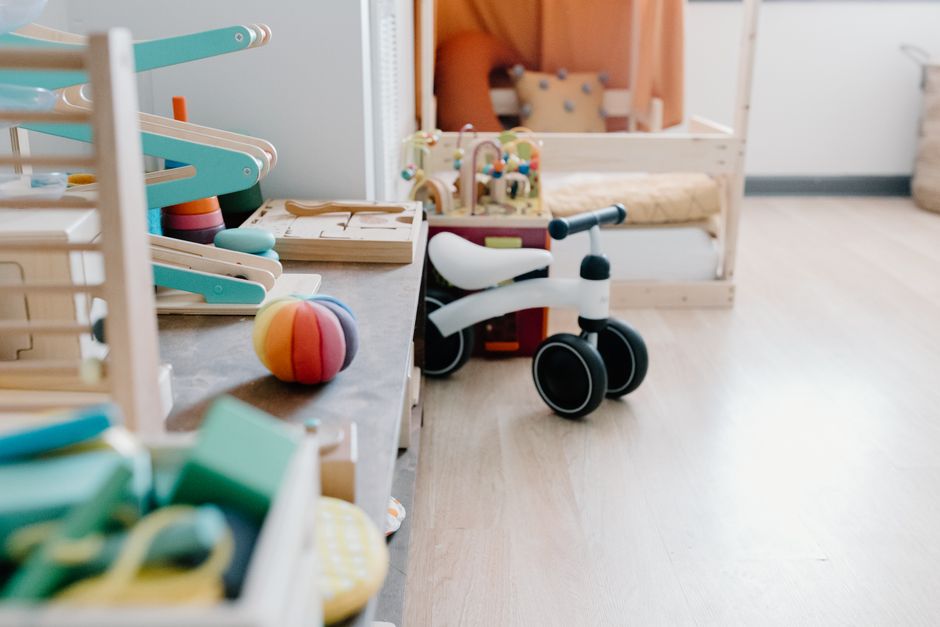
The children’s toy industry is a vibrant and ever-evolving sector that plays a crucial role in the development of young minds. From plush toys to educational games, the variety of products available is vast, each designed to engage, educate, and entertain children. In this article, we delve into the complexities of being a children’s toy manufacturer, exploring the trends, challenges, and innovations that shape this fascinating industry.
Understanding the Market Dynamics
The children’s toy market is influenced by numerous factors, including consumer preferences, technological advancements, and regulatory requirements. According to a recent report, the global toy market is expected to reach a valuation of over $120 billion by 2023, driven by increasing disposable incomes and a growing emphasis on the importance of play in childhood development. Manufacturers must stay attuned to these market dynamics to remain competitive.
For instance, the rise of eco-friendly products has led many manufacturers to explore sustainable materials and production processes. This shift is not merely a trend but a reflection of changing consumer attitudes towards environmental responsibility. Companies that prioritize sustainable practices often find themselves better positioned in a market increasingly driven by conscious consumerism.
Innovations in Toy Design and Technology
Innovation is at the heart of toy manufacturing. Today’s toys are not only about fun; they also incorporate educational elements that aid in cognitive development. From STEM (Science, Technology, Engineering, and Mathematics) kits to interactive apps that accompany physical toys, the integration of technology is transforming how children play and learn.
For example, augmented reality (AR) has made its way into the toy industry, allowing children to interact with their toys in new and exciting ways. A children’s toy manufacturer might create a line of action figures that come to life through an AR app, providing an enriched play experience that combines physical and digital play.
Challenges Faced by Manufacturers
While the toy industry presents numerous opportunities, it is not without its challenges. Safety regulations are paramount, as toys must adhere to stringent safety standards to ensure they are safe for children. This often requires significant investment in testing and quality assurance processes.
Additionally, the competitive landscape is fierce. With numerous players entering the market, manufacturers must continuously innovate and differentiate their products. Marketing strategies need to be robust, utilizing digital platforms and social media to reach modern parents who are increasingly influenced by online reviews and recommendations.
The Role of Licensing and Branding
Licensing plays a significant role in the toy industry. Popular media franchises, such as movies and television shows, often lead to lucrative licensing agreements for toy manufacturers. This not only boosts sales but also helps in brand recognition. For instance, toys based on blockbuster films are often among the best-sellers during the holiday season.
Moreover, effective branding can create a loyal customer base. Companies like Disney have mastered the art of brand loyalty, ensuring that their toys are synonymous with quality and entertainment. As a result, parents are more inclined to purchase toys associated with trusted brands.
Future Trends in Toy Manufacturing
As we look towards the future, several trends are likely to shape the children’s toy manufacturing landscape. The increasing incorporation of artificial intelligence (AI) into toys promises to create more personalized and engaging play experiences. Toys that adapt to a child’s learning pace can enhance educational outcomes, making them more appealing to parents.
Additionally, the rise of subscription-based toy services offers an alternative model for manufacturers. These services provide families with a rotating selection of toys, encouraging exploration and learning while reducing waste. This approach aligns with the growing trend of minimalism and intentional consumption.
Conclusion
The world of children’s toy manufacturing is both challenging and rewarding. As manufacturers navigate the complexities of market demand, technological innovation, and regulatory compliance, they must also remain committed to creating safe and engaging products that foster the development of children. By embracing innovation and sustainability, children’s toy manufacturers can thrive in an ever-evolving landscape. For those interested in exploring more about the industry, leading companies, such as children toy manufacturer, provide insights into the latest trends and products. Ultimately, the future of toy manufacturing is bright, filled with opportunities for creativity and growth.