










The Rise of Private Label Clothing: A Game Changer in Fashion Retail
 June 30, 2026
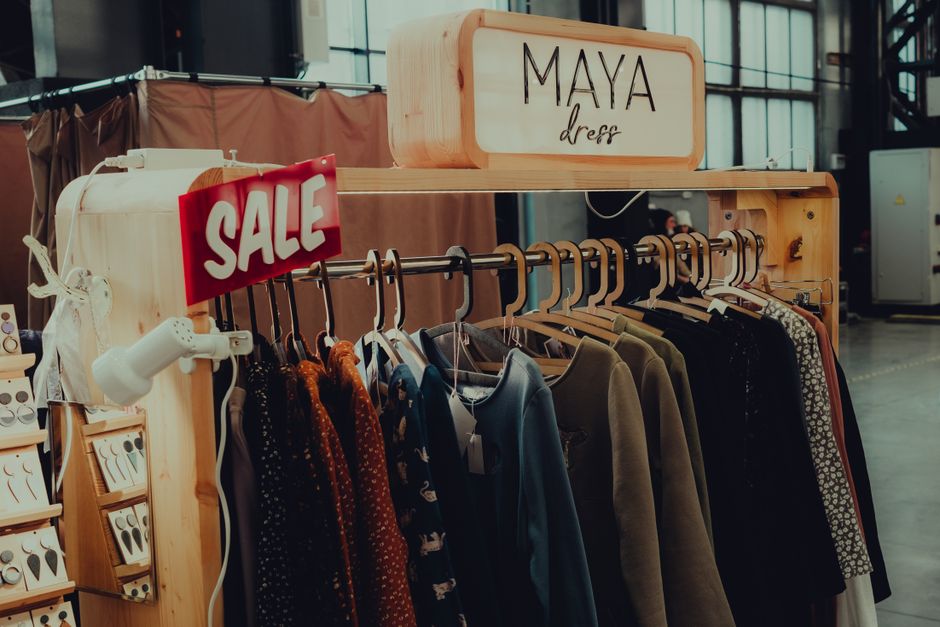
The fashion industry is undergoing a significant transformation, and one of the most notable trends is the rise of private label clothing. Brands are increasingly turning to private labeling as a way to enhance their product offerings, improve profit margins, and build customer loyalty. But what exactly is private label clothing, and how does it impact consumers and retailers alike? In this article, we delve into the intricacies of private label clothing, exploring its benefits, challenges, and the future it holds in the fashion landscape.
Understanding Private Label Clothing
Private label clothing refers to apparel that is produced by one company but sold under another company’s brand name. This model allows retailers to create exclusive products that symbolize their brand identity while reducing reliance on third-party labels. The concept is not new, but its popularity has surged in recent years, driven by changing consumer preferences and the desire for unique offerings.
For example, major retailers like Target and Walmart have successfully launched their own private label clothing lines, allowing them to cater to diverse consumer needs while maintaining competitive pricing. Research shows that private label brands account for approximately 20% of total retail sales, demonstrating their growing influence in the marketplace.
The Benefits of Private Label Clothing
One of the primary advantages of private label clothing is the potential for increased profit margins. Retailers can set their prices without the constraints imposed by third-party suppliers, often resulting in higher profitability. Additionally, private label products can help retailers differentiate themselves in a crowded market.
Moreover, private label clothing allows brands to control the quality of their products. By collaborating closely with manufacturers, retailers can ensure that the materials and craftsmanship meet their standards. This control over quality can enhance customer satisfaction and foster brand loyalty.
Another significant benefit is the flexibility in design and production. Retailers can quickly respond to fashion trends and consumer demands by adjusting their product offerings. This agility is particularly crucial in today’s fast-paced fashion environment, where trends can change overnight.
Challenges Faced by Retailers
Despite its numerous advantages, private label clothing is not without its challenges. One of the major hurdles is the initial investment required to develop a private label line. Retailers must allocate resources for product design, manufacturing, and marketing, which can be a significant financial burden.
Furthermore, establishing a private label requires a deep understanding of market trends and consumer behavior. Retailers must invest in research and development to create products that resonate with their target audience. Failure to do so can result in unsold inventory and financial losses.
Finally, competition in the private label sector is intensifying. As more retailers enter the market, distinguishing one’s brand becomes increasingly challenging. Retailers must continuously innovate and provide unique offerings to maintain their competitive edge.
Successful Examples of Private Label Brands
Several brands have successfully harnessed the power of private label clothing to drive growth and enhance their market presence. For instance, Amazon has made significant strides in the private label arena with its various clothing lines, such as Amazon Essentials and Goodthreads. These brands offer consumers affordable yet stylish options while reinforcing Amazon’s commitment to customer satisfaction.
Another notable example is the fashion retailer Zara, known for its fast fashion model. Zara’s private label strategy allows it to quickly produce clothing that aligns with current trends, enabling the brand to stay ahead of competitors and respond to consumer demands promptly.
The success of these brands illustrates how private label clothing can be a powerful tool for retailers looking to enhance their product offerings and strengthen brand loyalty.
The Future of Private Label Clothing
As we look to the future, the private label clothing sector is poised for continued growth. With advancements in technology and manufacturing processes, retailers will have greater opportunities to create high-quality, innovative products that meet consumer demands.
Moreover, as consumers increasingly seek personalized and unique shopping experiences, private label clothing can provide a solution. Retailers that focus on customization and personal branding will likely thrive in this evolving landscape.
In conclusion, private label clothing represents a transformative trend in the fashion industry. By understanding its benefits and challenges, retailers can leverage this model to enhance their offerings and strengthen their market position. As the demand for unique and quality apparel continues to rise, the potential for private label clothing remains significant. For those interested in exploring this avenue, resources like private label clothing platforms can provide valuable insights and opportunities to kickstart their journey.