










Creating Inviting Spaces: The Art of Restaurant Interior Design
 June 30, 2026
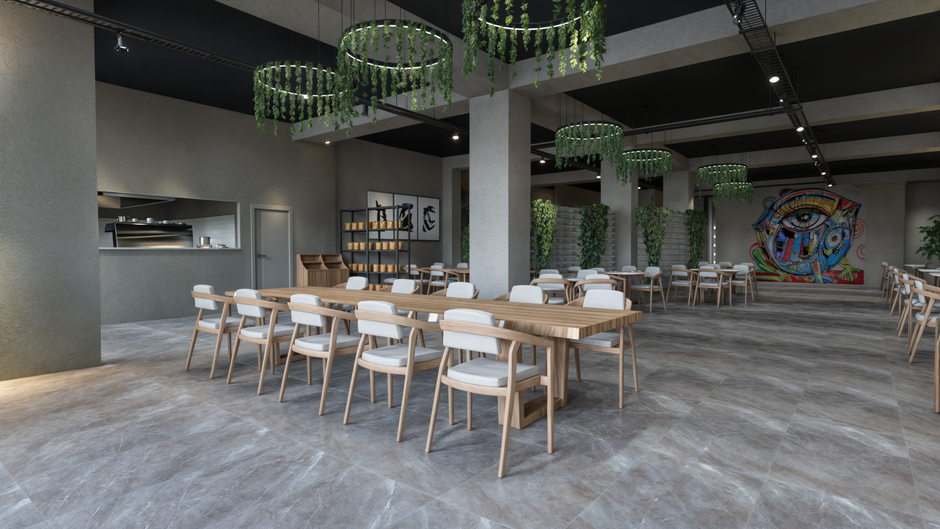
In the competitive world of dining, the atmosphere can make or break a restaurant. A well-designed interior not only attracts customers but also enhances their overall experience. From color schemes to furniture choices, every element plays a crucial role in shaping the ambiance. This article delves into the essential aspects of restaurant interior design, providing insights and practical tips for creating inviting spaces.
Understanding the Importance of Ambiance
Ambiance is the personality of a restaurant, influencing how patrons feel and behave. Studies show that 60% of diners choose a restaurant based on its atmosphere. A well-thought-out interior can evoke emotions, encourage customers to linger longer, and even influence their spending habits. For instance, warm lighting and comfortable seating can create a cozy environment, while vibrant colors and modern furniture can energize the space.
Moreover, the interior design should reflect the restaurant’s theme and cuisine. An Italian trattoria may benefit from rustic decor, while a sushi bar might opt for minimalist aesthetics. The key is to create a cohesive experience that aligns with the brand identity.
Key Elements of Restaurant Interior Design
Several key elements contribute to successful restaurant interior design. Firstly, color plays a vital role in setting the mood. For example, red and yellow tones can stimulate appetite, making them popular choices in fast-food chains. On the other hand, blues and greens are often used to create a calming effect in upscale dining.
Secondly, furniture selection is crucial. It should be both functional and comfortable, allowing for easy movement while maximizing seating capacity. The arrangement of tables and chairs can also influence customer flow and interaction. For example, communal tables encourage socializing, while intimate booths offer privacy.
Lighting is another significant factor. Different types of lighting, such as ambient, task, and accent lighting, can enhance various areas of the restaurant. Dim lighting might be perfect for a romantic dinner, while bright, focused lights can highlight the menu at a bustling cafe.
Incorporating Technology in Design
As technology evolves, so does its influence on restaurant interior design. Many establishments are now integrating tech features to enhance the dining experience. Digital menus, interactive tables, and even augmented reality can provide unique customer interactions.
Additionally, smart lighting systems allow for easy adjustments to ambiance based on the time of day or customer preferences. For instance, a restaurant can transition from bright lighting during lunch hours to softer tones for evening diners.
Moreover, online reservations and ordering systems can be seamlessly incorporated into the design, ensuring a streamlined experience for both staff and customers.
Case Studies: Successful Restaurant Designs
To illustrate the impact of effective restaurant interior design, let’s look at a few successful examples. One notable case is the renowned chain, Shake Shack. Their interiors blend modern, sleek designs with natural elements, creating a welcoming space that encourages customers to enjoy their meals.
Another example is the farm-to-table restaurant, Blue Hill at Stone Barns, which utilizes local materials and a rustic aesthetic to reflect its commitment to sustainability. The design complements the dining experience, making it memorable and meaningful.
Final Thoughts on Restaurant Interior Design
In conclusion, restaurant interior design is an intricate balance of aesthetics, functionality, and branding. By paying attention to elements such as color, furniture, lighting, and technology, restaurateurs can create inviting environments that enhance the dining experience. Investing in thoughtful design not only attracts customers but also fosters loyalty, ultimately contributing to a restaurant’s success.
For those looking to dive deeper into the world of restaurant interior design, understanding these principles is essential. Whether you are starting a new venture or revamping an existing space, prioritizing the design will yield significant returns in customer satisfaction and business performance.