










Unveiling the Art of Music Video Production
 June 30, 2026
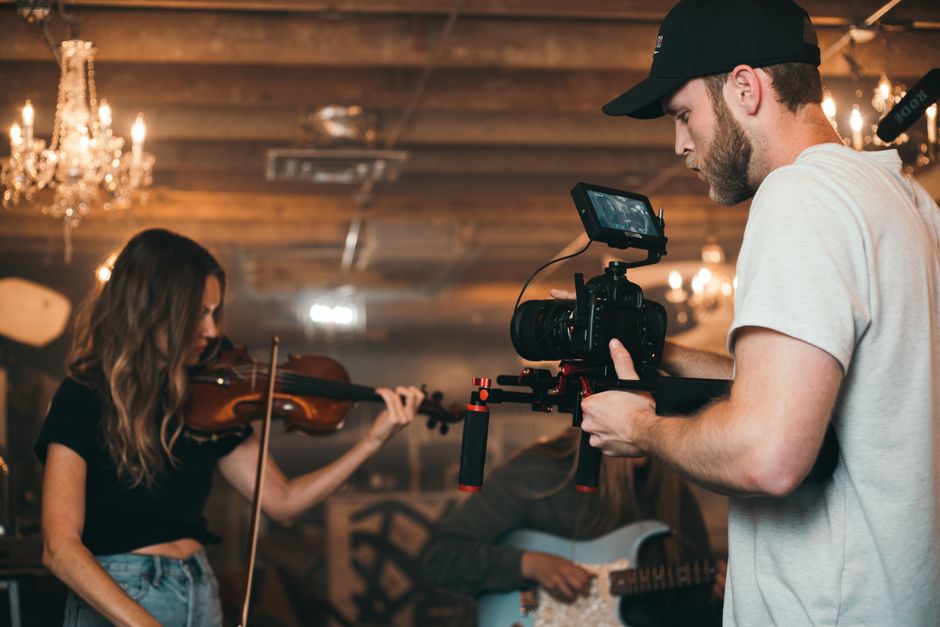
In the age of digital media, the music video has evolved into a powerful tool for artists to convey their creativity and connect with audiences. A well-produced music video can capture the essence of a song, enhance its emotional impact, and significantly boost its reach. In this article, we will explore the intricate process of music video production, examining the various stages involved, the roles of key personnel, and the technological advancements shaping the industry.
The Pre-Production Phase
The journey of a music video begins long before the cameras start rolling. This initial phase, known as pre-production, is critical for laying the groundwork. During this stage, the creative vision for the video is conceptualized. This involves brainstorming ideas that align with the song’s themes and mood. Directors and artists collaborate to create a storyboard, which serves as a visual guide for the shoot.
In addition to the creative aspects, logistical considerations are equally important. This includes budgeting, securing locations, and casting actors or dancers if needed. A comprehensive plan ensures that the production runs smoothly, minimizing potential delays and additional costs. For instance, a popular music video might require multiple locations, necessitating permits and coordination with local authorities.
Moreover, the selection of the right production team is crucial. Directors, cinematographers, and production designers must be chosen based on their experience and style. The synergy among the team members can greatly influence the final outcome of the video.
Production: Lights, Camera, Action!
Once pre-production is complete, the team moves into the production phase. This is where the magic happens, as the storyboard comes to life. Filming can take place over several days or weeks, depending on the complexity of the scenes. The director works closely with the cinematographer to choose camera angles, lighting setups, and shot compositions that enhance the narrative.
During this phase, attention to detail is paramount. Every element, from costumes to props, must be meticulously planned to ensure consistency with the artistic vision. For example, vibrant costumes can significantly affect the overall aesthetic of the video, and a well-chosen location can add depth to the storytelling.
Sound is also a critical component during production. While the song is typically already recorded, ensuring high-quality audio during filming can enhance the overall production quality. This may involve syncing the artist’s performance with the track, which requires precise timing and coordination.
Post-Production: The Final Touches
After filming wraps, the project transitions into post-production. This stage involves editing the footage, adding visual effects, and finalizing the audio. Editors play a crucial role here, as they shape the raw footage into a coherent story that resonates with viewers.
Visual effects (VFX) can transform a standard music video into a stunning visual experience. Whether it’s creating surreal landscapes or enhancing live-action footage, VFX can elevate the production to new heights. For instance, a music video featuring fantasy elements may require extensive post-production work to integrate these effects seamlessly.
Sound editing is equally important in this phase. The audio must be mixed and mastered to ensure clarity and balance. This process may involve adding sound effects or adjusting levels to create a polished final product. The result is a captivating music video that not only complements the song but also stands out in a competitive market.
The Impact of Technology on Music Video Production
Advancements in technology have revolutionized music video production in recent years. High-quality cameras, drones, and editing software have made it easier for artists to create visually stunning content. For instance, the use of drones allows for breathtaking aerial shots that were once difficult to achieve.
Moreover, digital platforms have changed the way music videos are distributed and consumed. With the rise of streaming services and social media, artists can reach global audiences instantly. This shift has led to an increased focus on creating shareable content that resonates with viewers across different platforms.
Furthermore, the accessibility of production tools has empowered independent artists to produce their own music videos without the need for a large budget. This democratization of the industry has resulted in a diverse range of creative expressions and styles, enriching the overall landscape of music video production.
Conclusion: The Future of Music Video Production
The world of music video production is constantly evolving, driven by creativity and technological advancements. As artists continue to explore new storytelling techniques and visual styles, the potential for impactful music videos is limitless. Whether through traditional methods or innovative approaches, the essence of a great music video lies in its ability to connect with audiences on a deeper level.
As we look to the future, it is clear that the music video will remain a vital part of the music industry. The ongoing evolution of music video production will undoubtedly lead to exciting new trends and opportunities for artists and creators alike.