







Unlocking Your Creativity: The Ultimate Guide to Recording Studio Rental
 June 29, 2026
In today’s music industry, having access to professional recording studios is essential for artists looking to produce high-quality tracks. Whether you’re a seasoned musician or a budding songwriter, understanding the intricacies of recording studio rental can significantly enhance your creative process. This comprehensive guide will explore the various aspects of renting a recording studio, including the benefits, key considerations, and tips for getting the most out of your studio time.
The Importance of Choosing the Right Studio
When it comes to recording music, the studio environment plays a crucial role in the final product. Each studio has its unique vibe and acoustic characteristics, which can influence the sound of your recordings. Therefore, before making a reservation, it’s essential to assess what you need from a studio. Are you looking for a space with state-of-the-art equipment, or is a more intimate atmosphere preferable? Understanding your artistic vision will help direct your choice.
Additionally, consider the genre of music you are producing. Some studios specialize in certain styles, while others may offer a more versatile approach. For instance, a studio known for its expertise in rock music might not be ideal for recording classical pieces. Researching studios that align with your genre can lead to a more fruitful recording experience.
Furthermore, take into account the studio’s location. A conveniently located studio can save you time and reduce stress, allowing you to focus on your music. Many artists prefer studios that are situated in vibrant urban areas, as they often provide a stimulating environment for creativity.
Budgeting for Your Recording Session
Understanding the costs associated with recording studio rental is vital for any artist. Prices can vary significantly based on the studio’s reputation, location, and the services offered. On average, hourly rates for a professional studio can range from $50 to over $200, depending on these factors.
When budgeting, also consider additional costs such as engineering fees, equipment rental, and even refreshments for your team. Some studios offer package deals that can be more economical for longer sessions, so it’s wise to inquire about these options.
Moreover, planning your recording schedule efficiently can help minimize costs. Preparing your material thoroughly before stepping foot into the studio can lead to a more productive session, reducing the need for extended hours.
Preparing for Your Recording Session
Preparation is key to a successful recording session. Before your studio day arrives, ensure that all your songs are well-rehearsed. This not only saves time but also allows you to focus on the creative aspects of recording rather than the technicalities.
Creating a detailed plan can also be beneficial. Outline the order of tracks you plan to record and discuss this with your producer or sound engineer. Having clear goals can keep the session organized and efficient.
Additionally, consider what equipment you’ll need. While many studios are well-equipped, personal gear can enhance your performance and ensure you’re comfortable. Bring along any instruments or accessories that you feel are essential for your sound.
The Role of the Sound Engineer
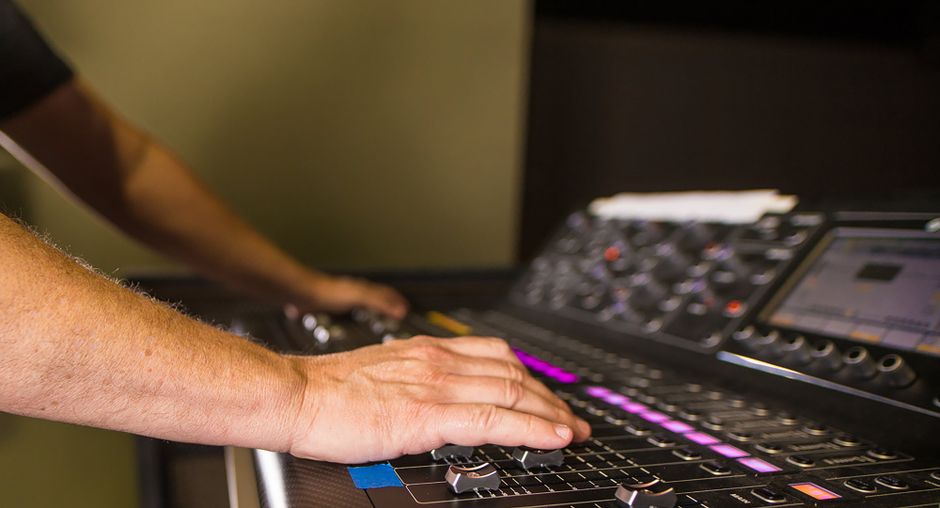
One of the most critical aspects of your recording session will be your interaction with the sound engineer. An experienced engineer can significantly enhance the quality of your recordings. They bring expertise in not only the technical aspects of the equipment but also in the creative process.
Establishing a good rapport with your engineer can lead to a more enjoyable experience. Discuss your artistic vision and seek their input on how to achieve the best sound. Remember, collaboration is key in the creative process, and the engineer’s insights can be invaluable.
Furthermore, don’t hesitate to communicate your ideas and preferences during the recording. A good engineer will be receptive to your requests and work alongside you to capture your vision.
Post-Recording Considerations
After your recording session, the work is still not finished. The next step involves mixing and mastering your tracks, which are crucial for achieving a polished sound. Many studios offer these services, so be sure to inquire about them during your rental process.
It’s also important to discuss the timeline for receiving your tracks. Understanding when you can expect the final product is essential for planning your release strategy. Having a clear timeline can help you coordinate promotional efforts and distribution.
Lastly, don’t forget to follow up with the studio. Providing feedback on your experience can help them improve their services and can also establish a good relationship for future projects. Networking with the studio can open doors for future collaborations and opportunities.
Conclusion
In summary, renting a recording studio is a significant investment in your music career. By understanding the importance of choosing the right studio, budgeting effectively, preparing thoroughly, and collaborating with your sound engineer, you can create a productive and enjoyable recording experience. Whether you’re recording your first demo or your latest album, the right studio can make all the difference in bringing your musical vision to life. Embrace the process, and let your creativity flow!