










Unlocking the Secrets of Music Video Production
 June 30, 2026
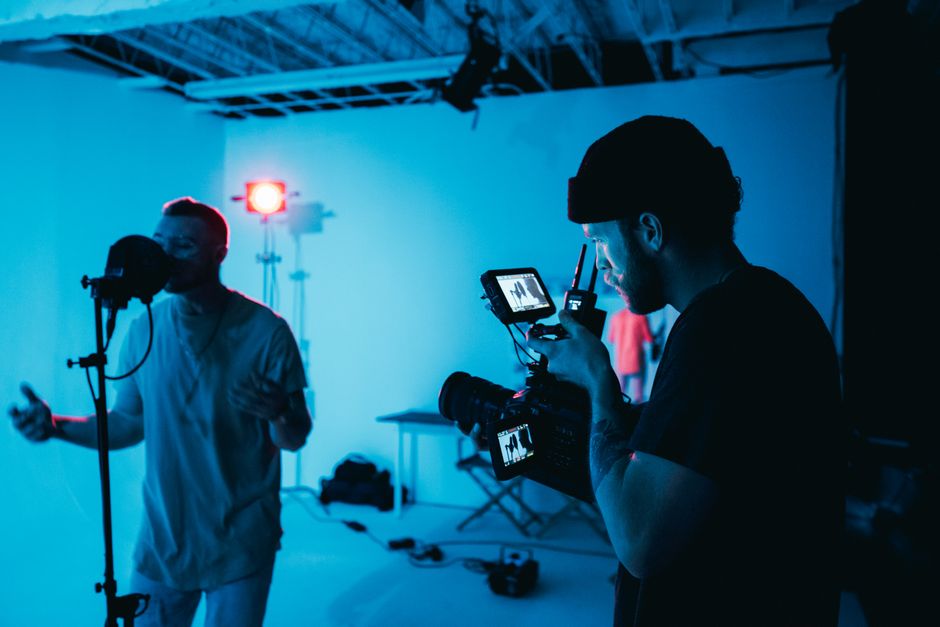
The world of music video production is a fascinating blend of art and technology, where creativity meets strategy. As the music industry continues to evolve, the importance of visually engaging videos has never been more paramount. Music videos serve not only as a promotional tool but also as a canvas for artistic expression. In this article, we will explore the intricate process of creating a music video, from pre-production to post-production, highlighting key elements that contribute to a successful project.
The Pre-Production Phase
Pre-production is the foundational stage of music video production. It involves meticulous planning and organization to ensure that the shoot runs smoothly. This phase typically begins with a concept development session, where the creative team brainstorms ideas that align with the song’s themes and the artist’s vision.
Once a concept is finalized, a detailed script or treatment is created. This document outlines the storyline, visual style, and shot list. It’s crucial to have a clear vision at this stage, as it will guide all subsequent decisions. Moreover, casting is an essential step in pre-production. Choosing the right actors or dancers can significantly impact the video’s overall appeal.
Additionally, location scouting plays a vital role in pre-production. Finding the perfect backdrop that complements the narrative can enhance the video’s aesthetic. For example, a vibrant urban setting might be ideal for an upbeat pop song, while a serene nature scene could suit a ballad. Once locations are secured, the production team can begin to arrange logistics, including permits, equipment rentals, and crew hiring.
The Production Process
With a solid plan in place, the production phase begins. This is when the actual filming takes place, and it is often the most exciting part of the music video production process. Depending on the complexity of the project, filming may take several days or even weeks.
During production, it is essential to maintain clear communication among all team members. The director plays a crucial role in guiding the creative vision, while the cinematographer is responsible for capturing stunning visuals. Utilizing professional-grade cameras and lighting can elevate the quality of the final product. For instance, many successful music videos employ a variety of camera techniques, such as slow motion and aerial shots, to create dynamic visuals.
Furthermore, incorporating choreography can add an engaging element to the video, particularly in genres like pop and hip-hop. Rehearsing with dancers beforehand can ensure that their performance is synchronized with the music, enhancing the overall impact of the video.
Post-Production and Editing
After the filming is complete, the post-production phase begins. This stage involves editing the footage, adding visual effects, and synchronizing the audio. A skilled editor can transform raw footage into a polished final product, emphasizing key moments that resonate with viewers.
Color grading is another critical aspect of post-production. This process involves adjusting the color balance and tone of the video to create a cohesive look. For instance, a warm color palette might evoke feelings of nostalgia, while cooler tones can generate a sense of calm. It’s also during this phase that any special effects or animations are added, further enhancing the visual storytelling.
Sound design plays an integral role in post-production as well. Adding background music cues, sound effects, and ensuring that the audio levels are balanced can significantly impact the viewer’s experience. The final step is to review the video with the artist and make any necessary adjustments before the official release.
Marketing and Distribution
Once the music video is complete, the focus shifts to marketing and distribution. In today’s digital age, platforms like YouTube, Instagram, and TikTok are essential for reaching a broader audience. Creating a strategic marketing plan can maximize the video’s visibility and engagement.
Teasing the video on social media prior to its release can generate excitement among fans. Collaborating with influencers or running promotional campaigns can further amplify the video’s reach. For instance, a behind-the-scenes look at the production process can intrigue viewers and encourage them to watch the final product.
Moreover, analyzing viewer engagement metrics after the release can provide valuable insights for future projects. Understanding what resonates with audiences can help shape the direction of upcoming music videos, ensuring continued success in the competitive music industry.
Conclusion
In conclusion, music video production is a multifaceted process that requires careful planning, creativity, and collaboration. From the initial concept to the final edit, each stage plays a crucial role in creating a captivating visual experience that complements the music. By understanding the intricacies of production, artists and producers can create impactful videos that resonate with audiences. Whether for promotional purposes or artistic expression, a well-crafted music video has the power to leave a lasting impression. As the industry continues to evolve, embracing innovative techniques and staying attuned to audience preferences will be key to success. For those looking to delve deeper into the world of music video production, exploring the latest trends and technologies can provide a competitive edge.