










Transform Your Space: Essential Home Improvement Tips
 June 3, 2026
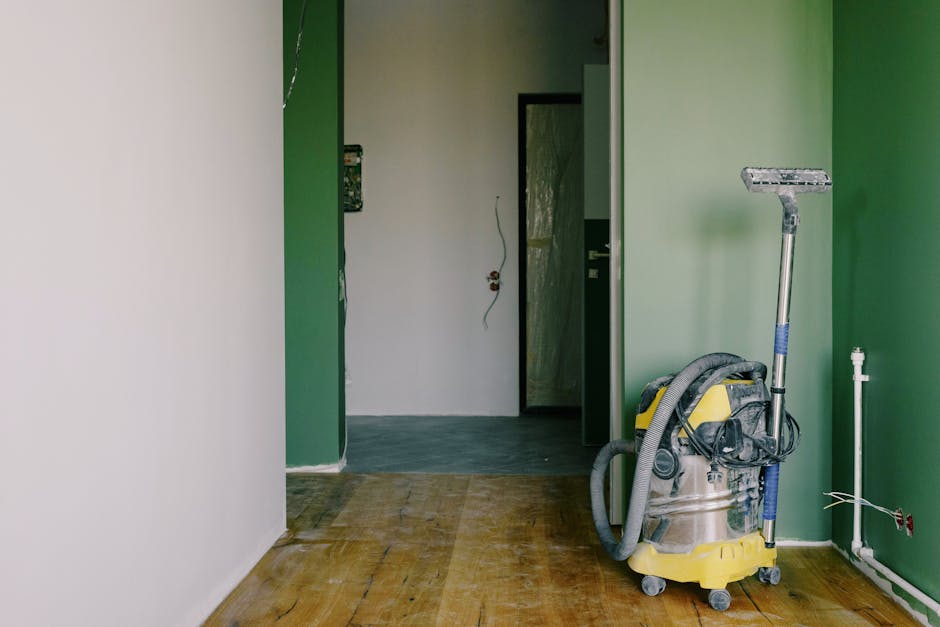
Home improvement is more than just a trend; it’s a way to enhance your living space, increase your property value, and create a home that truly reflects your personal style. Whether you’re a seasoned DIY enthusiast or a novice looking to make small changes, there are numerous ways to improve your home effectively. In this article, we will explore essential home improvement tips that can help you transform your space.
Understanding the Importance of Home Improvement
Home improvement projects can dramatically enhance the aesthetics and functionality of your living space. According to a report by the National Association of Realtors, nearly 70% of homeowners believe that their home improvement projects were worth the investment. Improvements can range from simple aesthetic changes, like painting, to more complex renovations, such as kitchen remodels.
Moreover, improving your home can lead to increased energy efficiency. For example, upgrading to energy-efficient appliances can reduce your utility bills and lower your carbon footprint. Overall, investing in home improvements is not just about enhancing your comfort; it’s also a smart financial decision.
Top Home Improvement Projects to Consider
When it comes to home improvement, some projects yield a higher return on investment than others. Here are a few worth considering:
1. **Kitchen Remodel**: The kitchen is often considered the heart of the home. A minor kitchen remodel can offer a return on investment of about 80%. Simple changes, such as updating cabinets, changing countertops, or adding a backsplash, can transform your kitchen.
2. **Bathroom Renovation**: Bathroom upgrades can also provide a significant return, with minor renovations yielding about 70% back on investment. Consider replacing fixtures, updating tiles, or even adding a new coat of paint to refresh the space.
3. **Outdoor Enhancements**: Curb appeal matters! Landscaping, adding a deck, or even simple gardening can significantly improve the look of your home. Research shows that well-landscaped homes can sell for 10% more than similar homes without landscaping.
DIY vs. Hiring Professionals
Deciding whether to tackle a home improvement project yourself or hire a professional can be challenging. DIY projects can be cost-effective, but they require time and skill. If you’re handy and enjoy working with your hands, then DIY could be a great option for you.
However, for more complex projects, such as electrical work or plumbing, hiring a professional is often the best choice. Not only can they get the job done efficiently, but they also ensure that everything meets local building codes.
For those looking for inspiration, many homeowners turn to fashion blog sites that showcase creative home improvement ideas and DIY projects, making it easier to visualize potential changes in their own homes.
Budgeting for Your Home Improvement Projects
Budgeting is a crucial aspect of any home improvement project. Before starting, it’s essential to determine how much you’re willing to spend and what projects are most important to you. Here are some tips for effective budgeting:
1. **Research Costs**: Look into the average costs of materials and labor for your desired projects. Websites like HomeAdvisor can provide estimates and help you gauge what to expect.
2. **Prioritize Projects**: If you’re on a tight budget, focus on projects that will provide the most value. Start with necessary repairs before moving on to cosmetic upgrades.
3. **Set Aside a Contingency Fund**: Always set aside an additional 10-20% of your budget for unexpected expenses. This cushion can prevent financial strain if things don’t go as planned.
Maintaining Your Home Post-Improvement
After completing your home improvement projects, maintaining your home is vital for preserving its value and appearance. Regular upkeep can prevent minor issues from becoming significant problems. Here are some essential maintenance tips:
1. **Regular Inspections**: Regularly inspect your home for signs of wear and tear. Check for leaks, cracks, or any changes in your home’s structure.
2. **Seasonal Maintenance**: Perform seasonal maintenance tasks, such as gutter cleaning, HVAC servicing, and exterior painting, to keep your home in top shape.
3. **Documentation**: Keep records of your home improvements and maintenance. This documentation can be beneficial when selling your home or when applying for insurance claims.
Conclusion
Home improvement is an ongoing journey that allows you to create a space that meets your needs and reflects your style. By understanding the importance of home improvement, choosing the right projects, and maintaining your home post-improvement, you can enhance your living space while ensuring a good return on investment. Remember, whether you choose to go the DIY route or hire professionals, the key is to plan, budget wisely, and enjoy the process of transforming your home.