










The Timeless Elegance of Wristwatches: A Journey Through Time
 June 2, 2026
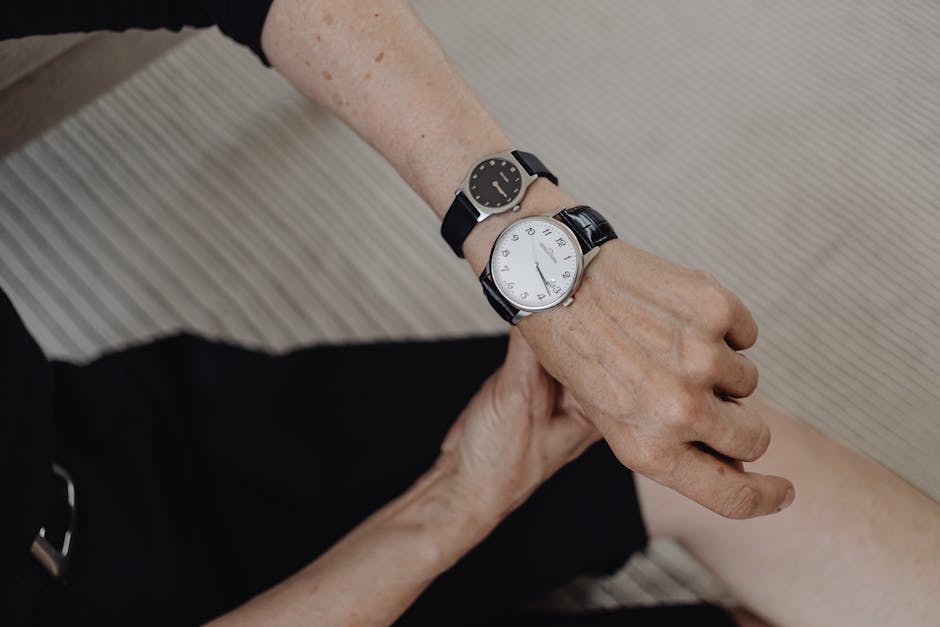
The wristwatch, a seemingly simple accessory, has evolved into a symbol of sophistication and precision over the centuries. From its humble beginnings as a practical tool for timekeeping, the wristwatch has transformed into a fashion statement and a collector’s item. In this article, we will explore the history, craftsmanship, and cultural significance of wristwatches, showcasing their enduring appeal in today’s world.
The History of Wristwatches
The concept of wearing timepieces on the wrist dates back to the late 16th century when they were primarily designed for women. The first wristwatches were often referred to as ‘bracelet watches’ and were considered jewelry rather than functional timepieces. It wasn’t until the late 19th century that wristwatches gained popularity among men, thanks to advancements in technology and the need for portable timekeeping devices.
World War I marked a significant turning point for wristwatches. Soldiers required reliable timepieces that could be easily accessed and read during combat. As a result, wristwatches became a necessity, and their popularity skyrocketed. Post-war, the trend continued as returning soldiers brought the practicality of wristwatches into civilian life.
Today, wristwatches are available in myriad styles, functions, and price ranges, reflecting individual tastes and lifestyles. They range from luxury brands, which often use precious materials and intricate designs, to more affordable options that still offer style and functionality.
The Art of Craftsmanship
One of the most fascinating aspects of wristwatches is the craftsmanship involved in their creation. High-end watches often require hundreds of individual components, each meticulously crafted and assembled by skilled artisans. For instance, Swiss watchmakers are renowned for their precision engineering and attention to detail, often taking years to develop a single watch model.
Luxury brands such as Audemars Piguet and Patek Philippe invest heavily in research and development, ensuring that their watches not only keep time accurately but also incorporate innovative features. The use of advanced materials, such as ceramic and titanium, has also changed the landscape of watchmaking, allowing for lighter, more durable timepieces.
Moreover, many brands have embraced the concept of sustainability by using recycled materials and adopting eco-friendly practices. This shift reflects a growing awareness of environmental issues among consumers and manufacturers alike.
The Cultural Significance
Wristwatches have transcended their primary function as timekeeping devices to become significant cultural symbols. They are often associated with status, achievement, and personal style. Wearing a luxury watch can signify success and sophistication, making it a popular choice for professionals and celebrities alike.
In recent years, the rise of social media has further fueled the popularity of wristwatches, with influencers showcasing their collections and styles on platforms like Instagram and TikTok. This has led to a resurgence of interest in vintage and limited-edition watches, as collectors seek unique pieces to add to their collections.
Furthermore, wristwatches often carry sentimental value, being passed down through generations as family heirlooms. This emotional connection adds another layer of significance to these timepieces, making them cherished possessions for many.
The Future of Wristwatches
As technology continues to advance, the future of wristwatches appears bright. The rise of smartwatches has introduced a new dimension to the watch industry, with many traditional brands now incorporating smart technology into their designs. This fusion of classic craftsmanship with modern technology allows for enhanced functionality while retaining the timeless elegance of traditional watches.
Despite the growing popularity of smartwatches, many enthusiasts argue that nothing can replace the artistry and heritage of mechanical watches. Collectors still value the intricate mechanisms and craftsmanship that define high-quality timepieces. For instance, brands are beginning to explore hybrid models that combine traditional watchmaking with modern technology, appealing to both collectors and tech-savvy consumers.
Additionally, the market for affordable luxury watches is expanding, making quality timepieces accessible to a broader audience. This shift not only democratizes watch ownership but also encourages more people to appreciate the artistry and history behind wristwatches.
Conclusion
In conclusion, wristwatches represent more than just a means of telling time; they embody a rich history, exceptional craftsmanship, and profound cultural significance. Whether you are a seasoned collector or a casual wearer, understanding the journey of wristwatches enhances your appreciation for these remarkable devices. As the industry evolves, it will be fascinating to see how wristwatches continue to blend tradition with innovation, ensuring their place in our lives for generations to come.
For those interested in exploring different options, there are numerous types available, including luxurious models and more affordable alternatives, such as clone watches, which allow enthusiasts to enjoy the allure of high-end designs without the hefty price tag.