










The Rise of Custom Clothing Manufacturers in a Changing Fashion Landscape
 June 29, 2026
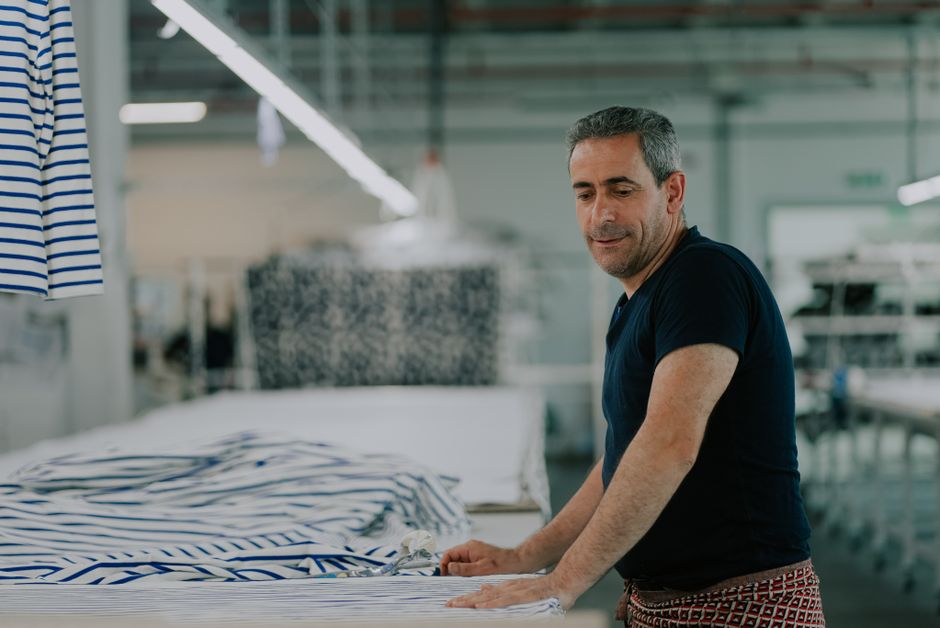
In today’s fast-paced fashion industry, the demand for personalized clothing has surged, leading to a significant rise in the number of custom clothing manufacturers. As consumers seek unique and tailored garments that reflect their individual styles, these manufacturers are stepping up to meet the challenge. This article delves into the factors driving this trend, the benefits of choosing custom clothing, and what to consider when selecting a manufacturer.
Understanding the Custom Clothing Market
The custom clothing market is expanding rapidly. According to a report by ResearchAndMarkets, the global custom clothing market is projected to grow at a CAGR of 6.5% from 2021 to 2026. This growth can be attributed to several trends, including the increasing consumer preference for sustainable and ethical fashion. As people become more conscious of their environmental impact, they are opting for clothing that is made to order, reducing waste associated with mass production.
Moreover, advancements in technology have made it easier for manufacturers to offer customization options. With digital printing, 3D modeling, and AI-driven design tools, consumers can now visualize their designs in real-time before placing an order. This level of engagement enhances customer satisfaction and loyalty.
Benefits of Custom Clothing
Choosing custom clothing comes with a plethora of advantages. First and foremost, it allows for a perfect fit. Unlike off-the-rack clothes, which often require alterations, custom garments are tailored to the specific measurements of the wearer. This not only enhances comfort but also boosts confidence as individuals wear clothing that complements their body shape.
In addition, custom clothing offers unparalleled quality. Manufacturers specializing in bespoke garments typically use higher-quality materials and superior craftsmanship compared to mass-produced clothing. This means that consumers are investing in pieces that are not only stylish but also durable, making them a more sustainable choice in the long run.
Furthermore, custom clothing enables individuals to express their unique style. Whether it’s a specific fabric choice, a unique color, or a distinctive design, customization allows consumers to showcase their personality through their wardrobe. This trend is particularly popular among millennials and Gen Z, who value individuality and authenticity in their fashion choices.
How to Choose a Custom Clothing Manufacturer
When selecting a custom clothing manufacturer, several factors should be considered. Start by researching their reputation and reviews. Look for manufacturers that have a track record of delivering high-quality products and excellent customer service. Reading testimonials from previous clients can provide insights into their reliability.
Another important aspect is the range of customization options offered. Some manufacturers may provide limited choices, while others allow for extensive personalization. Ensure that the manufacturer can accommodate your specific needs, whether it’s fabric selection, design alterations, or unique sizing.
Price is also a crucial consideration. Custom clothing can vary significantly in price depending on the materials used and the level of customization required. It’s essential to obtain quotes from multiple manufacturers to compare costs while also ensuring that quality is not compromised.
One notable player in this space is a custom clothing manufacturer that focuses on providing high-quality, made-to-order garments. They have built a reputation for exceptional service and craftsmanship, making them a go-to choice for many consumers.
Sustainability in Custom Clothing
The custom clothing industry is also embracing sustainability. Many manufacturers are adopting eco-friendly practices, such as using organic materials, minimizing water usage, and implementing ethical labor practices. This shift aligns with the growing consumer demand for sustainable fashion options.
For instance, brands are increasingly sourcing materials from sustainable suppliers and employing techniques that reduce waste during production. This not only benefits the environment but also appeals to consumers who prioritize ethical consumption.
Moreover, custom clothing reduces the risk of overproduction, a significant issue in the fast fashion industry. By producing garments only when they are ordered, manufacturers can minimize excess inventory, leading to less waste and a lower environmental impact.
The Future of Custom Clothing
As we look ahead, the custom clothing industry is poised for further growth. The integration of technology, such as augmented reality (AR) for virtual fitting rooms and advanced AI for design customization, is set to revolutionize the way consumers interact with clothing brands. These innovations will enhance the personalization experience, making it even easier for consumers to find and create their ideal garments.
Additionally, the rise of e-commerce has made custom clothing more accessible than ever. Consumers can now design and order custom pieces from the comfort of their homes, further driving the popularity of personalized fashion. This trend is expected to continue as online shopping becomes the norm.
Conclusion
In conclusion, the landscape of fashion is evolving, and custom clothing manufacturers are at the forefront of this change. With a focus on quality, sustainability, and personalization, these manufacturers are meeting the needs of modern consumers who value unique and ethically produced garments. As the market continues to grow, consumers can expect increased innovation and options in the realm of custom clothing, making it an exciting time for fashion enthusiasts.