










The Importance of CPR: Saving Lives with Cardiopulmonary Resuscitation
 June 3, 2026
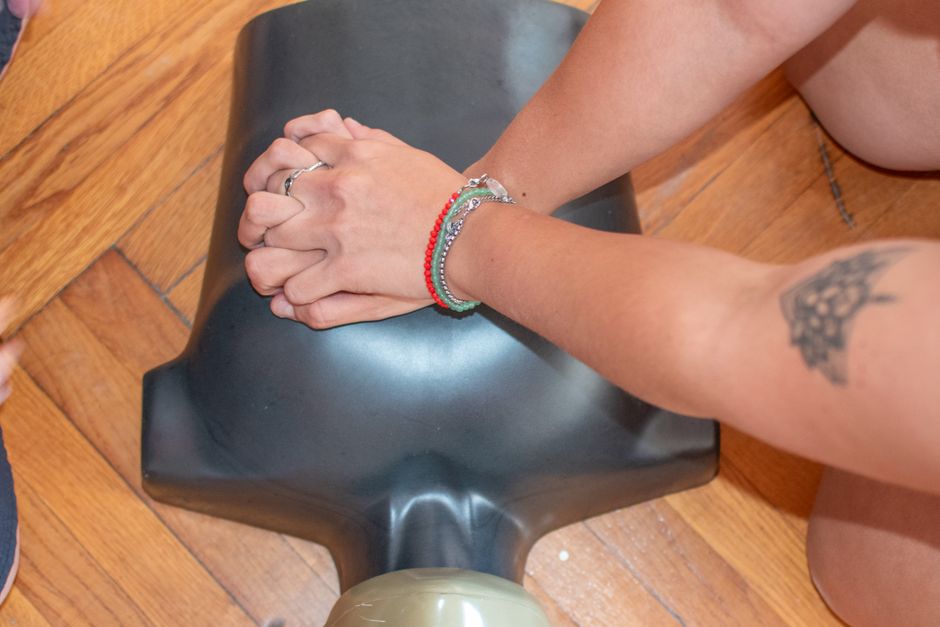
Cardiopulmonary Resuscitation (CPR) is a crucial skill that can mean the difference between life and death in emergencies. Every year, thousands of individuals suffer cardiac arrests, and immediate CPR can significantly improve survival rates. Understanding the fundamentals of CPR is essential for everyone, from healthcare professionals to everyday citizens. This article delves into the importance of CPR, the techniques involved, and how you can prepare yourself to act swiftly in critical situations.
What is CPR?
CPR is an emergency procedure performed when the heart stops beating. It involves a combination of chest compressions and rescue breaths aimed at restoring blood circulation and oxygenation to vital organs. The primary goal of CPR is to maintain blood flow to the heart and brain until professional medical help arrives. According to the American Heart Association, immediate CPR can double or triple a person’s chance of survival after cardiac arrest.
The procedure is simple yet effective. Chest compressions should be performed at a rate of 100 to 120 compressions per minute, with a depth of at least 2 inches for adults. Rescue breaths are given in a 30:2 ratio, meaning 30 compressions followed by two breaths. Knowing how to perform CPR can empower individuals to take action during emergencies.
The Importance of CPR Training
While the basic principles of CPR are straightforward, proper training can make a significant difference in the effectiveness of the technique. CPR courses teach individuals not only how to perform the procedure but also how to assess the situation and act confidently and calmly. Training programs are widely available and cater to various needs, including courses for laypersons and advanced training for healthcare providers.
For those in urban areas, finding a course is easier than ever. For example, in Stockholm, you can sign up for a HLR kurs Stockholm that provides hands-on practice and theoretical knowledge. Such courses are invaluable, as they often include simulations that mimic real-life scenarios, preparing participants for actual emergencies.
Statistics on Cardiac Arrest and CPR Effectiveness
The statistics surrounding cardiac arrest are alarming. Approximately 350,000 out-of-hospital cardiac arrests occur annually in the United States, with only about 10% of victims surviving to hospital discharge. However, studies show that if CPR is administered immediately, the likelihood of survival increases significantly. In fact, survival rates can reach as high as 40% when bystanders perform CPR.
Moreover, the use of Automated External Defibrillators (AEDs) in conjunction with CPR can further enhance survival rates. These devices are designed to be user-friendly and can guide individuals through the process of delivering a shock to restore a normal heart rhythm. Being trained in both CPR and AED usage can empower individuals to act confidently in emergencies.
Common Misconceptions About CPR
Despite the importance of CPR, several misconceptions can hinder individuals from taking action during emergencies. One common myth is that performing CPR incorrectly can do more harm than good. In reality, any attempt to provide CPR is better than doing nothing at all. The risk of harm is minimal compared to the potential benefits of saving a life.
Another misconception is that CPR is only for trained professionals. In fact, anyone can learn and perform CPR, and even basic knowledge can make a significant difference. Bystander intervention is crucial, as every minute without CPR decreases the chances of survival by 10%. Therefore, demystifying CPR and encouraging widespread training can save countless lives.
How to Prepare for Emergencies
Preparation is key when it comes to handling emergencies. Besides taking a CPR course, individuals can equip themselves with first-aid kits and familiarize themselves with emergency protocols. Understanding the signs of cardiac arrest, such as sudden collapse, unresponsiveness, and lack of breathing, allows individuals to act quickly.
Additionally, discussing emergency plans with family and friends can foster a culture of preparedness. Knowing who to call and where to find the nearest AED can make a significant difference in critical situations. Regularly reviewing CPR techniques and refreshing skills through training can also ensure that individuals are ready to respond when it matters most.
Conclusion
Cardiopulmonary resuscitation is a vital skill that everyone should learn. The ability to perform CPR can save lives and significantly impact survival rates in emergencies. With proper training, knowledge, and preparation, individuals can feel empowered to act decisively when faced with a cardiac emergency. By demystifying CPR and promoting widespread training, we can work together to create a safer environment where every person has the potential to save a life.