










Revitalize Your Skin: Understanding Chemical Peel Treatments
 June 15, 2026
In the quest for youthful and radiant skin, many individuals turn to various cosmetic treatments. Among these, chemical peel treatments have gained significant popularity due to their ability to improve skin texture, tone, and overall appearance. This article delves into the essentials of chemical peels, exploring their types, benefits, and what one can expect during the treatment process.
What is a Chemical Peel?
A chemical peel is a cosmetic procedure that involves applying a solution to the skin, which causes the top layers to exfoliate and eventually peel off. This process reveals fresher, smoother skin underneath. The solutions used in chemical peels can vary, including alpha-hydroxy acids (AHAs), beta-hydroxy acids (BHAs), and trichloroacetic acid (TCA). Each type serves a different purpose, catering to various skin concerns.
Chemical peels are commonly used to treat issues such as acne scars, sun damage, uneven pigmentation, and signs of aging. By removing the damaged outer layer of skin, the treatment promotes cell turnover and collagen production, leading to healthier skin.
Types of Chemical Peels
There are three primary types of chemical peels: superficial, medium, and deep. Superficial peels use mild acids to penetrate only the outer layer of skin, making them ideal for minor skin issues and providing a gentle refresh. Medium peels penetrate deeper into the skin, effectively treating more significant concerns such as age spots and moderate wrinkles. Deep peels, on the other hand, use stronger acids and require more recovery time but can dramatically improve severe skin problems.
Each type of peel can be tailored to the individual’s specific needs, and a consultation with a qualified dermatologist is crucial for determining the best approach. During this consultation, potential candidates are educated about the chemical peel treatment process, including expected outcomes and recovery times.
Benefits of Chemical Peels
The benefits of chemical peels extend beyond mere aesthetics. Many individuals report improved self-esteem and confidence following their treatments. For those struggling with acne or acne scars, chemical peels can significantly reduce breakouts and minimize the appearance of scarring.
Moreover, chemical peels can enhance the effectiveness of skincare products. By removing the dead skin cells, products can penetrate more deeply and work more effectively. It’s not uncommon for patients to notice a reduction in fine lines and wrinkles, an even skin tone, and a brighter complexion post-treatment.
What to Expect During and After a Chemical Peel
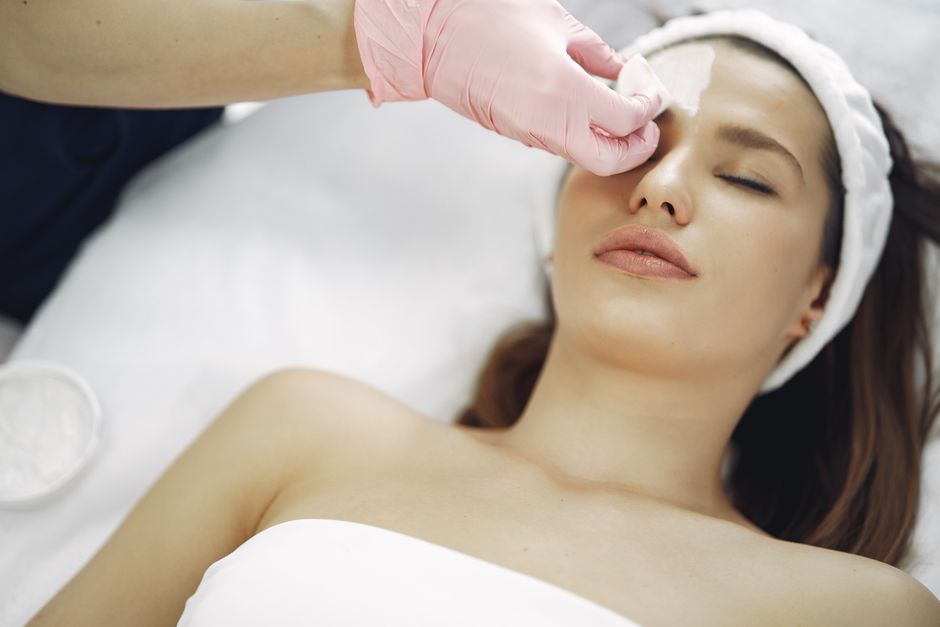
Before undergoing a chemical peel, patients should expect a thorough consultation with their dermatologist. This appointment will cover medical history, skin type, and any medications being taken. During the procedure itself, the skin will be cleansed, and the chemical solution will be applied. Depending on the type of peel, the application may cause a tingling or burning sensation, which usually subsides quickly.
Post-treatment, it is essential to follow the dermatologist’s aftercare instructions carefully. Patients may experience redness, peeling, or flaking skin in the days following the procedure. Maintaining proper sun protection is crucial during the recovery phase, as the new skin will be more sensitive to UV rays.
Conclusion: Is a Chemical Peel Right for You?
Chemical peel treatments can be a fantastic option for those looking to improve their skin’s appearance and health. However, it is essential to weigh the pros and cons and consult with a qualified professional to determine the best course of action for your skin type and concerns. With the right approach, a chemical peel can unveil a revitalized complexion, boosting not only appearance but also confidence.