










Maximizing Efficiency with Modern Irrigation Systems
 June 15, 2026
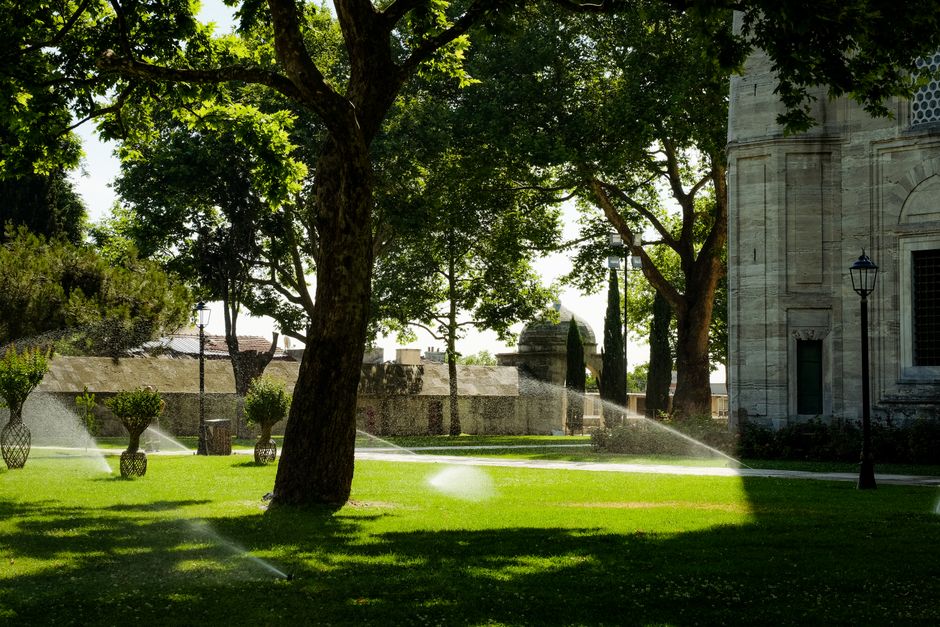
Irrigation systems are essential for optimizing agricultural productivity and ensuring sustainable water usage. As the global population continues to grow, farmers face increasing pressure to produce more food with limited resources. The adoption of advanced irrigation technologies has become vital in addressing these challenges. This article explores the various types of irrigation systems, their benefits, and how they contribute to efficient water management.
Understanding Different Types of Irrigation Systems
There are several types of irrigation systems, each designed to suit different agricultural needs. The most common types include surface irrigation, drip irrigation, and sprinkler irrigation. Surface irrigation involves the application of water directly to the soil surface, allowing it to flow to the plant roots. This method is widely used for crops like rice and wheat.
Drip irrigation, on the other hand, delivers water directly to the plant’s root zone through a network of tubing and emitters. This method is highly efficient, reducing water waste and improving crop yields. According to a study, farms utilizing drip irrigation can save up to 50% more water compared to traditional methods.
Sprinkler irrigation sprays water over crops in a manner similar to natural rainfall. This system is versatile and can be adapted to various terrains. However, it may not be as efficient as drip irrigation concerning water conservation. Understanding these systems helps farmers select the best option for their specific agricultural needs.
Benefits of Modern Irrigation Systems
Modern irrigation systems offer numerous advantages that enhance agricultural efficiency. One of the primary benefits is water conservation. By utilizing technologies like drip irrigation, farmers can minimize water usage while maximizing crop growth. This is particularly important in arid regions where water scarcity is a pressing issue.
In addition to water conservation, modern systems can improve soil health. By controlling the amount and timing of water application, farmers can prevent soil erosion and degradation. This leads to healthier crops and better yields. Furthermore, investing in advanced irrigation systems can result in significant cost savings in the long run, as they reduce labor and maintenance costs.
Another vital aspect is the ability to automate irrigation processes. With smart irrigation systems, farmers can monitor soil moisture levels and weather conditions, allowing for precise water application. This not only conserves water but also enhances crop productivity. The integration of technology in irrigation systems represents a significant advancement in agricultural practices.
Challenges in Implementing Irrigation Systems
While the advantages of modern irrigation systems are clear, several challenges exist in their implementation. One significant barrier is the initial investment cost. Advanced systems, such as drip irrigation, can be expensive to install, making it difficult for small-scale farmers to adopt them.
Additionally, there is a need for adequate training and education on the usage and maintenance of these systems. Farmers must be knowledgeable about how to operate advanced technologies effectively. Without proper training, the benefits of modern irrigation systems may not be fully realized.
Water availability and quality are also critical factors to consider. In many regions, water resources are limited, and farmers must navigate complex regulations regarding water usage. Sustainable practices must be prioritized to ensure that irrigation does not lead to resource depletion.
Case Studies of Successful Irrigation Practices
Many regions around the world have successfully implemented modern irrigation systems, leading to remarkable improvements in agricultural productivity. For example, in Israel, where water scarcity is a significant challenge, drip irrigation has transformed agricultural practices. Farmers have reported increased yields and reduced water usage, demonstrating the effectiveness of this technology.
In California, the adoption of smart irrigation technologies has allowed farmers to optimize water use during drought conditions. By utilizing sensors and automated systems, they can adjust watering schedules based on real-time data, leading to more efficient water management.
These case studies highlight the potential of modern irrigation systems to revolutionize agricultural practices and address global food security challenges. As more farmers adopt these technologies, the positive impact on both productivity and sustainability becomes increasingly evident.
Future Trends in Irrigation Technology
The future of irrigation technology is promising, with ongoing advancements aimed at increasing efficiency and sustainability. Innovations such as precision agriculture and remote sensing are becoming more prevalent. These technologies enable farmers to collect data on soil conditions and crop health, allowing for more informed irrigation decisions.
Moreover, the integration of renewable energy sources, such as solar power, into irrigation systems is gaining traction. This shift not only reduces operational costs but also promotes environmental sustainability. As technology continues to evolve, we can expect to see even more sophisticated irrigation solutions that address the challenges of climate change and resource management.
In conclusion, modern irrigation systems play a crucial role in enhancing agricultural productivity and ensuring sustainable water use. By understanding the different types of irrigation systems and their benefits, farmers can make informed decisions that lead to successful outcomes. As we move forward, embracing technological advancements will be essential for meeting the global demand for food while preserving our vital water resources.
For more in-depth information on various irrigation systems, you can explore the link to the irrigation system research.