










The Allure of Perfume: A Journey Through Fragrance
 June 4, 2026
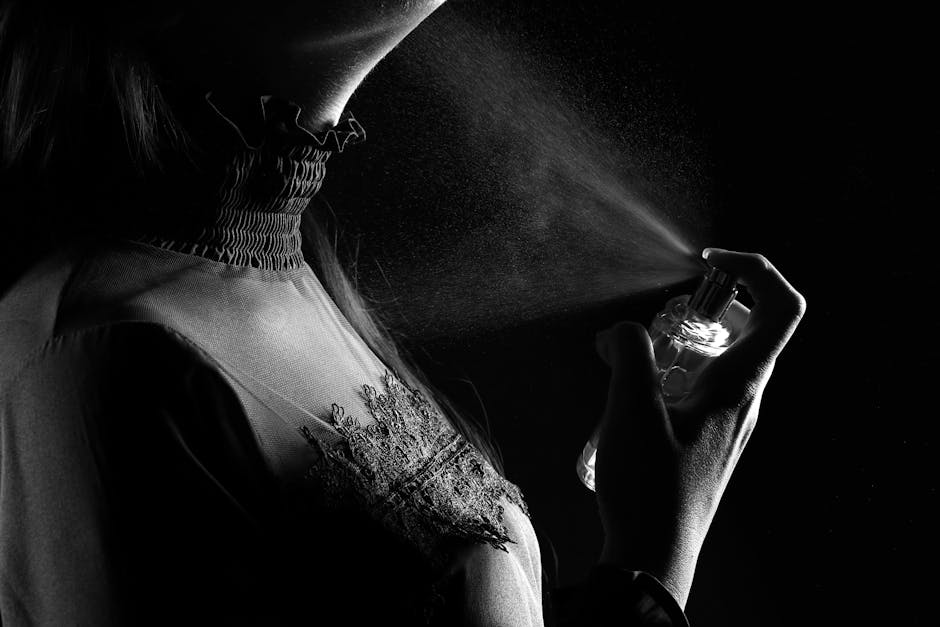
Perfume has been an integral part of human culture for centuries, evoking emotions, memories, and a sense of identity. From ancient civilizations to modern luxury brands, fragrances have the power to transport us to different times and places. This article explores the fascinating world of perfume, its history, components, and how to choose the perfect scent for any occasion.
The Rich History of Perfume
The art of perfumery dates back to ancient Egypt, where incense and fragrant oils were used in religious ceremonies and personal adornment. The Egyptians believed that scent had divine properties, often associating it with the gods. As trade routes expanded, the knowledge of fragrant materials spread, leading to the creation of perfumes in different cultures.
In the Middle Ages, the use of perfume became more widespread in Europe, particularly in Italy and France. The Renaissance ushered in a new era of fragrance, with the establishment of the first perfume houses. For instance, Giovanni Maria Farina, a perfumer in Cologne, created a scent that captured the essence of Italian countryside, which he named “Eau de Cologne.” This marked the beginning of commercial perfumery as we know it today.
The 20th century saw a significant evolution in fragrance, particularly with the introduction of synthetic ingredients. This allowed perfumers to create new scents that were previously impossible to achieve with natural materials alone. Brands like Chanel revolutionized the industry with iconic fragrances such as Chanel No. 5, which remains a classic to this day.
The Science Behind Fragrance
Perfume is composed of three main components: top notes, middle notes, and base notes. The top notes are the initial scents that are perceived immediately after application, typically light and fresh. They evaporate quickly, making way for the middle notes, which form the heart of the fragrance and last longer. Finally, the base notes provide depth and richness, lingering on the skin long after the other notes have faded.
The art of blending these notes is a delicate balance. Perfumers, or “noses,” undergo extensive training to understand how different scents interact with one another. The use of natural ingredients such as essential oils and absolutes, alongside synthetic compounds, allows for an endless variety of fragrances. For instance, floral scents often incorporate notes of jasmine, rose, and lily, while woody scents may feature cedarwood and sandalwood.
Moreover, the olfactory system plays a crucial role in how we perceive scents. When we inhale, molecules travel to the olfactory receptors in the nasal cavity, triggering signals to the brain that interpret the scent. This connection between scent and memory is why certain fragrances can evoke powerful emotions or memories.
Choosing the Right Perfume
Selecting the perfect perfume can be a daunting task, given the vast array of options available. To begin, consider the occasion. Lighter, fresher scents are often suitable for daytime wear, while deeper, more intense fragrances are ideal for evening events. It’s also essential to take into account personal preferences and skin chemistry, as fragrances can smell different on different individuals.
When testing a fragrance, apply it to the wrist and allow it to develop over time. This practice enables you to experience the full evolution of the scent, from the top notes to the base notes. It’s advisable to test no more than three fragrances at a time, as olfactory fatigue can hinder your ability to discern distinct scents.
Furthermore, many brands offer sample sizes or travel sprays, allowing you to try a fragrance before committing to a full bottle. For those seeking luxury, niche brands like Maison Francis Kurkdjian (MFK) provide unique and high-quality options that stand out in the crowded fragrance market.
The Cultural Impact of Perfume
Perfume transcends mere personal preference; it is deeply embedded in various cultures around the world. In some Middle Eastern countries, fragrance plays a vital role in social customs, with individuals often applying scent before entering homes or social gatherings. Similarly, in France, perfume is considered an essential aspect of personal grooming and style.
Moreover, perfume has been extensively featured in art, literature, and cinema. Iconic films often use scent as a metaphor for desire or memory, influencing how characters connect with one another. For instance, in “Perfume: The Story of a Murderer,” the protagonist’s obsession with capturing the perfect scent drives the narrative, illustrating the powerful hold fragrance can have over human emotions.
The rise of social media has also transformed how fragrances are marketed and perceived. Influencers and beauty enthusiasts frequently share their favorite scents, shaping trends and consumer preferences. This democratization of fragrance allows for a more diverse appreciation of scents, encouraging individuals to explore beyond mainstream offerings.
Conclusion: The Timeless Appeal of Perfume
As we have explored, perfume is much more than a simple olfactory experience; it embodies history, science, and cultural significance. Whether you are drawn to the classic elegance of a floral bouquet or the mysterious allure of a woody scent, there is a fragrance for everyone. By understanding the components of perfume and the art of selection, you can discover scents that resonate with your personality and enhance your daily life.
In a world where first impressions are vital, a signature scent can leave a lasting mark. Embrace the enchanting world of perfume and let it become an integral part of your personal expression.