










The Art and Science of Perfume: A Deep Dive into Fragrance
 June 4, 2026
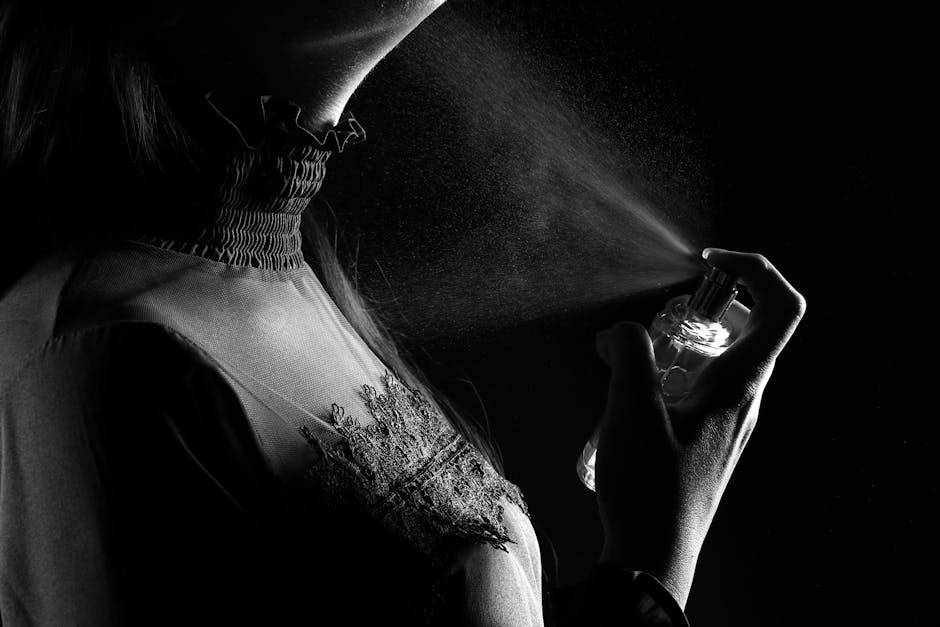
Perfume has long been a symbol of luxury, seduction, and identity. From ancient civilizations to modern-day fashion houses, the creation and use of fragrances have evolved significantly. In this article, we will explore the intricate world of perfume, including its history, components, and the process of crafting unique scents. Whether you’re a fragrance aficionado or a curious newcomer, understanding the multifaceted nature of perfume can enhance your appreciation for this timeless art.
The History of Perfume
The origins of perfume date back to ancient civilizations, where scents were used in religious rituals and personal adornment. The Egyptians are credited with developing some of the first perfumes, utilizing natural resources such as flowers, herbs, and spices. They believed that fragrance could connect them with the divine, and often burned incense during ceremonies.
In ancient Rome, perfume became synonymous with luxury and wealth, with the elite class flaunting their scented oils. The use of perfume spread throughout Europe during the Middle Ages, heavily influenced by the trade routes established during the Crusades. This period saw the introduction of exotic ingredients and the birth of modern perfumery techniques.
By the 17th century, France emerged as the epicenter of the perfume industry, particularly in Grasse, a region known for its lush fields of aromatic flowers. The term ‘perfumer’ became a recognized profession, and the art of fragrance-making began to flourish.
The Components of Perfume
Understanding the components of perfume is crucial in appreciating its complexity. A typical fragrance is composed of three main elements: top notes, middle notes, and base notes. Top notes are the initial scents that are perceived immediately upon application. These are often light and volatile, consisting of citrus and herbal aromas.
Middle notes, or heart notes, emerge once the top notes dissipate. They usually feature floral or fruity scents and form the core of the fragrance. Lastly, base notes provide depth and longevity to the perfume. These notes are richer and heavier, often including woods, resins, and musk.
The balance between these components determines the overall character of the fragrance. For example, a perfume with a strong citrus top note might be refreshing but could lack the complexity of a scent that incorporates deeper base notes.
The Process of Crafting Perfume
The art of crafting perfume involves meticulous attention to detail and a profound understanding of chemistry. Perfumers, or ‘noses’, combine various essential oils, aroma compounds, and solvents to create a harmonious scent. The process begins with selecting high-quality ingredients, which can be natural or synthetic.
Once the ingredients are chosen, they are blended in specific proportions to achieve the desired fragrance profile. This stage is often experimental, requiring the perfumer to rely on their olfactory skills and intuition. After blending, the mixture is left to mature, allowing the scents to meld and develop over time.
After maturation, the perfume is diluted with alcohol or oil to achieve the desired concentration. The final product is then filtered and bottled, ready for distribution. A notable name in the industry is Maison Francis Kurkdjian (MFK), known for its innovative approaches and luxurious scents.
The Role of Perfume in Culture
Perfume holds a significant place in various cultures around the world. In many societies, fragrance is intertwined with identity, tradition, and even spirituality. For instance, in Middle Eastern cultures, attars (oil-based perfumes) are an integral part of daily life and social gatherings.
In contrast, Western cultures often associate perfume with fashion and personal branding. The marketing of fragrances has evolved into a major industry, with celebrities and designers launching signature scents to connect with their audience. The psychology of scent plays a crucial role in consumer behavior, influencing purchasing decisions and brand loyalty.
Moreover, the rise of niche perfumeries has allowed for a greater exploration of unique scents that challenge conventional fragrance norms. This trend has fostered a community of fragrance enthusiasts who appreciate the artistry and craftsmanship behind each bottle.
Conclusion: Embracing the World of Perfume
Perfume is more than just a pleasant scent; it is a complex art form that combines history, science, and culture. From its ancient roots to the modern industry, fragrance continues to captivate our senses and evoke memories. Understanding the components and processes involved in perfume-making can deepen our appreciation for this unique form of expression.
As you explore the world of perfume, consider experimenting with different scents to discover what resonates with you personally. Whether it’s a signature fragrance or an occasional indulgence, each scent tells a story and invites us to embrace the beauty of olfactory experiences.