










The Art of Handmade Pizza: A Culinary Journey
 June 4, 2026
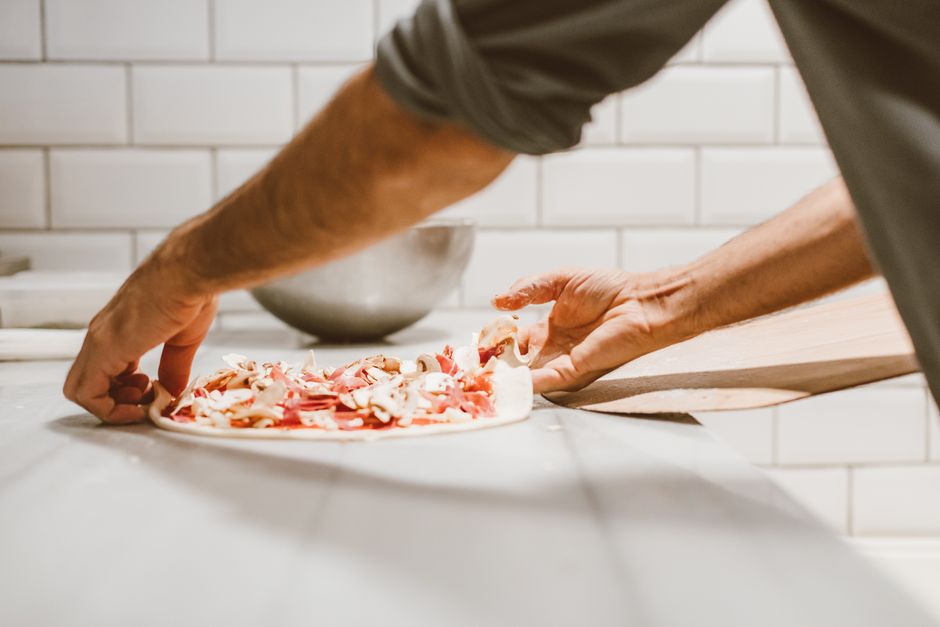
Pizza, a beloved dish around the globe, has evolved from its humble beginnings in Italy to become a staple in many cultures. While frozen and pre-made options are convenient, nothing quite compares to the experience of enjoying a freshly made handmade pizza. In this article, we will explore the intricacies of crafting the perfect handmade pizza, from selecting the right ingredients to mastering the cooking techniques that elevate this dish to an art form.
Understanding the Basics of Handmade Pizza
Before diving into the specifics, it is essential to understand what sets handmade pizza apart from other types. Handmade pizza is not just about the dough; it’s about the entire process, which includes selecting quality ingredients, kneading the dough, and baking it to perfection. The foundation of any great pizza is its crust, which should be light, airy, and slightly chewy. This requires a balance of flour, water, yeast, and salt, mixed and kneaded properly.
One of the most critical components of handmade pizza is the choice of flour. Many pizza enthusiasts swear by ’00’ flour, which is finely milled and high in protein, resulting in a superior texture. However, all-purpose flour can also work well if you don’t have access to specialty ingredients. The hydration level of the dough is another vital aspect; a higher hydration dough can lead to a more open crumb structure, creating the perfect base for toppings.
After preparing the dough, it’s essential to allow it to rise adequately. This fermentation process not only develops flavor but also contributes to the texture of the crust. A slow rise, often done overnight, can yield more complex flavors.
Selecting Quality Ingredients
When it comes to toppings, quality is paramount. Fresh ingredients can make a substantial difference in the final product. For the sauce, using ripe tomatoes, preferably San Marzano, can provide a rich and balanced flavor. Many chefs advocate for a simple sauce made of crushed tomatoes, a pinch of salt, and perhaps a dash of olive oil.
Cheese is another critical element; the traditional choice is mozzarella, but experimenting with different varieties can create unique flavor profiles. Burrata, goat cheese, or even a sprinkle of gorgonzola can enhance the overall experience. Also, try to use fresh herbs, such as basil or oregano, which can elevate the flavor of your pizza significantly.
Moreover, the toppings should be applied thoughtfully to avoid overwhelming the pizza. A common mistake is overloading the pizza, which can result in a soggy crust. Instead, consider balancing flavors and textures, such as adding a mix of savory meats, colorful vegetables, and fresh herbs.
The Cooking Process
The cooking method plays a crucial role in achieving that perfect handmade pizza. A traditional wood-fired oven can reach temperatures of up to 800°F (427°C), giving pizzas a unique char and flavor. However, not everyone has access to such an oven. A home oven can still produce great results by preheating to its highest setting and using a pizza stone or steel, which retains heat and mimics the effects of a pizza oven.
Once the oven is ready, it’s time to stretch the dough. Hand-stretching the dough allows for a more rustic shape and ensures that the crust maintains its airiness. Using flour or semolina to dust your work surface can prevent sticking and help achieve the desired texture.
When baking, keep an eye on the pizza. A well-cooked pizza should take between 8 to 12 minutes, depending on the oven’s temperature. Look for a golden-brown crust and bubbling cheese as signs that it’s ready. Once it comes out, allow it to cool for a moment before slicing; this will help the cheese set and prevent toppings from sliding off.
Experimenting with Styles and Flavors
Handmade pizza isn’t just limited to the classic Margherita or pepperoni. There’s a world of flavors and styles to explore. From Neapolitan to Chicago deep-dish, each style has its unique characteristics and traditions. You can also experiment with different sauces, such as pesto or barbecue, and toppings that reflect seasonal ingredients or personal preferences.
For those interested in health-conscious options, consider cauliflower or chickpea crusts as alternatives to traditional dough. These options not only offer a different taste but can also cater to dietary restrictions.
Innovative toppings can also be a fun way to explore flavors. For instance, try adding figs and prosciutto for a sweet-salty combination or pear with blue cheese for a gourmet touch. The possibilities are endless, making every handmade pizza a new culinary adventure.
Conclusion
Handmade pizza is more than just a meal; it’s an experience that brings people together. By understanding the basics of dough preparation, selecting quality ingredients, mastering cooking techniques, and experimenting with flavors, anyone can create a masterpiece in their own kitchen. Whether enjoyed with family or friends, the joy of handmade pizza is in the journey of creating something delicious and unique. So gather your ingredients, roll up your sleeves, and start your handmade pizza adventure today!
For those looking for high-quality ingredients and a great selection of gourmet toppings, check out LUXURY 777 for some inspiration.