










The Future of Education: Embracing Change and Innovation
 June 3, 2026
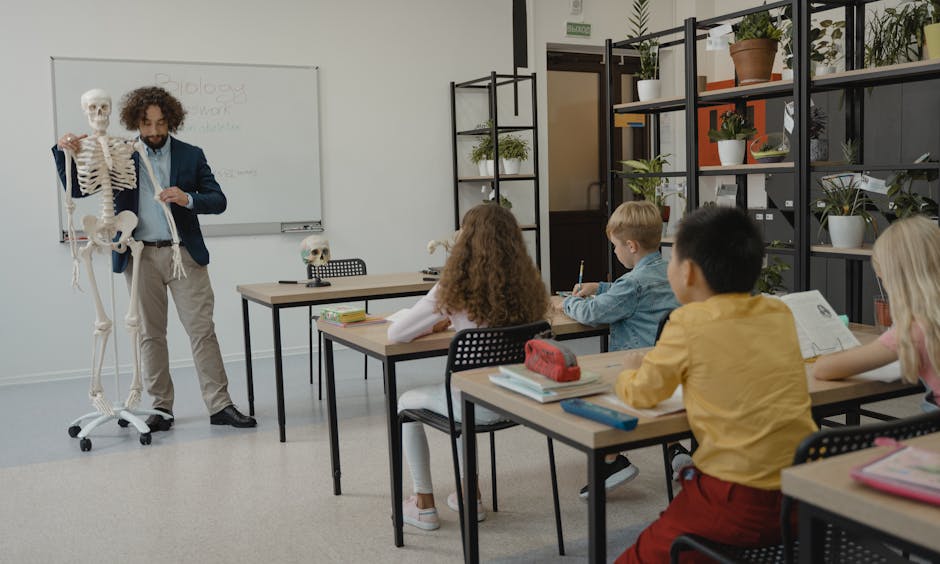
Education is a cornerstone of society, shaping the minds and futures of individuals. As we navigate through the complexities of the 21st century, the landscape of education is undergoing significant transformation. This article explores the various dimensions of this evolution, highlighting innovative practices, technological advancements, and the importance of adaptability in the educational sector.
The Role of Technology in Education
With the rapid advancement of technology, education has been revolutionized in ways previously unimaginable. Online learning platforms have emerged as powerful tools, allowing students to access a wealth of information anytime, anywhere. For instance, platforms like Coursera and edX provide courses from prestigious universities, breaking down geographical barriers and democratizing education.
Moreover, the integration of artificial intelligence (AI) in education is enhancing personalized learning experiences. AI-powered tools analyze students’ learning patterns, enabling educators to tailor their teaching methods to meet diverse learning needs. This approach not only improves student engagement but also fosters a deeper understanding of the material.
However, while technology offers numerous benefits, it also presents challenges. Educators must ensure that students develop critical thinking skills and digital literacy to navigate an increasingly complex world. The balance between traditional education and tech-driven learning is crucial for preparing students for future challenges.
The Importance of Lifelong Learning
In today’s fast-paced world, the notion of lifelong learning has gained prominence. As industries evolve and new job roles emerge, the need for continuous education is vital. Individuals must adapt to changing job markets, which often require new skills and knowledge.
According to a report by the World Economic Forum, over 54% of all employees will require significant reskilling by 2022. This statistic underscores the urgency for both individuals and organizations to invest in ongoing education and training. Employers are increasingly recognizing the value of providing professional development opportunities, which not only enhance employee skills but also contribute to job satisfaction and retention.
Furthermore, lifelong learning is not confined to formal education. Informal learning opportunities, such as workshops, webinars, and online courses, play a crucial role in personal and professional development. By encouraging a culture of curiosity and continuous improvement, individuals can stay relevant and competitive in their fields.
Innovative Educational Practices
As education evolves, innovative practices are emerging to enhance the learning experience. Project-based learning (PBL) is one such approach that emphasizes real-world applications of knowledge. By engaging students in hands-on projects, PBL fosters collaboration, critical thinking, and problem-solving skills.
Additionally, the flipped classroom model is gaining traction in educational institutions. In this approach, traditional teaching methods are inverted; students learn new content at home through videos and online resources, while class time is dedicated to discussions and practical applications. This method not only promotes active learning but also encourages students to take ownership of their education.
Moreover, social-emotional learning (SEL) is increasingly recognized as a vital component of education. By focusing on students’ emotional and social development, educators can create a supportive environment that enhances academic performance and personal growth. Schools that implement SEL programs report improvements in student behavior, attendance, and overall well-being.
The Global Perspective on Education
Education systems vary widely across the globe, shaped by cultural, social, and economic factors. Countries like Finland are often cited as models for effective education, emphasizing equal opportunities and student well-being. Finnish schools prioritize creativity and critical thinking over standardized testing, resulting in high levels of student engagement and achievement.
In contrast, many developing countries face significant challenges in providing quality education. Limited resources, inadequate infrastructure, and socio-economic barriers hinder access to education for millions of children. International organizations, such as UNICEF and UNESCO, are working tirelessly to address these issues, advocating for policies that promote inclusive and equitable education for all.
Additionally, the COVID-19 pandemic has highlighted disparities in education worldwide. While some students transitioned smoothly to online learning, others faced obstacles due to lack of access to technology and internet connectivity. This pandemic has sparked conversations about the importance of digital equity and the need to ensure that all students can benefit from technological advancements.
Conclusion: Embracing the Future of Education
The future of education is bright, filled with opportunities for innovation and growth. As we embrace change, it is imperative that educators, policymakers, and learners work collaboratively to create an inclusive and adaptable educational environment. By leveraging technology, promoting lifelong learning, and implementing innovative practices, we can prepare individuals for success in an ever-evolving world.
As education continues to transform, resources such as In person Nclex review in Houston can provide valuable support for those seeking to enhance their knowledge and skills. Together, we can shape a future where education empowers individuals and fosters a more equitable society.