










The Art and Science of Web Design: Crafting Engaging Online Experiences
 June 3, 2026
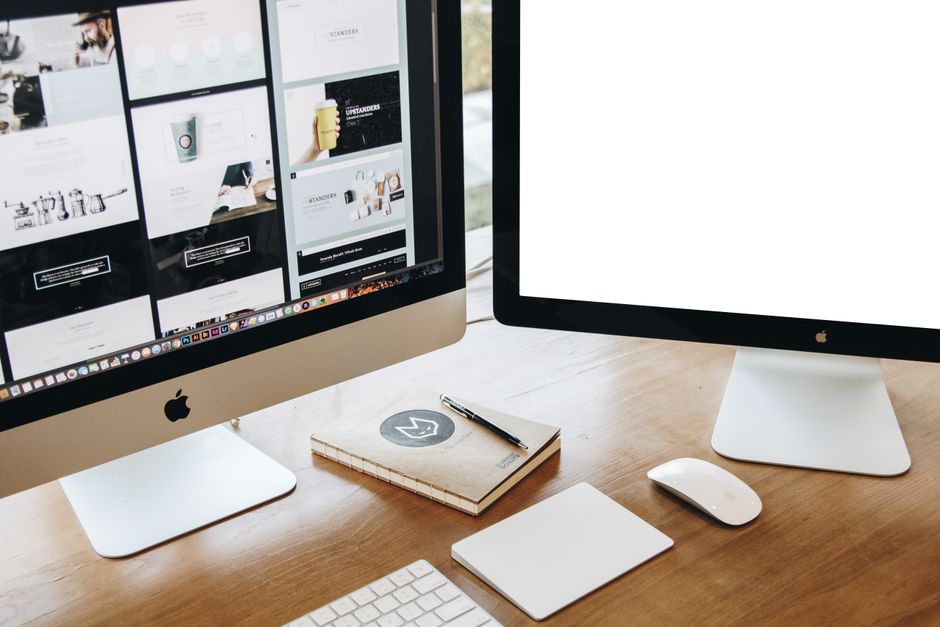
In the digital age, a well-designed website is more than just a necessity; it is the cornerstone of an effective online presence. Web design encompasses a wide range of skills and disciplines, including graphic design, interface design, user experience (UX), and search engine optimization (SEO). Understanding these elements is crucial for creating a visually appealing and functional website that meets the needs of its users. This article delves into the essential aspects of web design and offers practical insights for both beginners and experienced designers.
The Fundamentals of Effective Web Design
At its core, effective web design is about creating an intuitive and enjoyable user experience. This begins with understanding the principles of design, which include balance, contrast, emphasis, movement, pattern, repetition, rhythm, and white space. These principles guide designers in creating layouts that are not only visually appealing but also functional. For instance, a well-balanced layout ensures that no single element overwhelms the others, leading to a more harmonious visual experience.
Color theory also plays a significant role in web design. Different colors evoke different emotions and associations, so choosing the right color palette can greatly influence how users perceive a brand. According to a study by the Institute for Color Research, people make a subconscious judgment about a person, environment, or product within 90 seconds of initial viewing, and between 62% and 90% of that assessment is based on color alone. Therefore, selecting colors that align with the brand’s identity is crucial.
Furthermore, typography is another critical element that can enhance or detract from a website’s effectiveness. The choice of font, size, and spacing can influence readability and user engagement. A study by the Nielsen Norman Group found that users typically only read about 20% of the text on a web page. This highlights the importance of using clear, concise language and appropriate typography to capture and retain users’ attention.
The Role of User Experience (UX) in Web Design
User experience (UX) has become a central focus in web design as it directly affects how users interact with a site. A positive UX can lead to higher conversion rates and increased customer satisfaction. This involves understanding user behavior, preferences, and pain points. Conducting user research through surveys, interviews, and usability testing can provide valuable insights into how to improve a website’s design.
One of the key components of UX design is creating a clear and logical navigation structure. Users should be able to find what they are looking for quickly and easily. A study by HubSpot indicates that 76% of users say the most important factor in website design is that the website is easy to navigate. Incorporating breadcrumbs, search bars, and clearly labeled menus can significantly enhance the usability of a website.
Another important aspect of UX is ensuring that websites are mobile-friendly. With more than 54% of global website traffic coming from mobile devices, responsive design has become essential. Websites should automatically adjust their layout and content based on the device being used, providing an optimal viewing experience on smartphones, tablets, and desktops alike.
Incorporating Search Engine Optimization (SEO) into Web Design
SEO is a critical component of web design as it determines how easily a website can be found by search engines. A well-designed website should not only look good but also be optimized for search engines. This involves implementing best practices such as optimizing page load speed, using alt tags for images, and creating a clear site structure.
Page load speed is particularly important; studies have shown that 40% of users abandon a site that takes more than three seconds to load. Tools like Google’s PageSpeed Insights can help designers identify areas for improvement. Additionally, search engines favor websites that offer a good user experience, which means that incorporating UX principles into web design can also enhance SEO efforts.
Moreover, content is king in the world of SEO. Creating high-quality, relevant content that answers users’ questions can improve a site’s visibility on search engine results pages (SERPs). Regularly updating content and incorporating keywords naturally can help maintain a site’s relevance and authority.
Current Trends in Web Design
Web design is constantly evolving, with new trends emerging regularly. One notable trend is the use of minimalism, which focuses on simplicity and functionality. This approach eliminates unnecessary elements, allowing users to focus on the content. Minimalistic designs often feature ample white space, clean lines, and a limited color palette.
Another trend is the integration of animations and micro-interactions. These subtle effects can enhance user engagement and provide feedback on user actions, such as hovering over a button or submitting a form. However, it’s essential to ensure that these animations do not detract from the website’s performance or user experience.
Dark mode is also gaining popularity, allowing users to switch to a darker color scheme that can reduce eye strain and improve battery life on mobile devices. Websites that offer this option not only enhance user convenience but also align with modern design preferences.
Conclusion: The Future of Web Design
The future of web design is bright, with endless possibilities for innovation and creativity. As technology advances, designers will have more tools and resources at their disposal to create stunning and functional websites. Understanding and implementing the principles of effective design, user experience, and SEO will remain crucial in crafting websites that not only attract users but also keep them engaged.
In conclusion, web design is a multifaceted discipline that combines art and science. By focusing on the needs of users and staying abreast of current trends, designers can create compelling online experiences that resonate with audiences. For those looking to enhance their web design skills, resources are available at https://digitalheroes.co.in, where you can find valuable insights and tools to help you on your journey.