










The Comprehensive Guide to Hair Transplant: Techniques, Benefits, and Considerations
 June 3, 2026
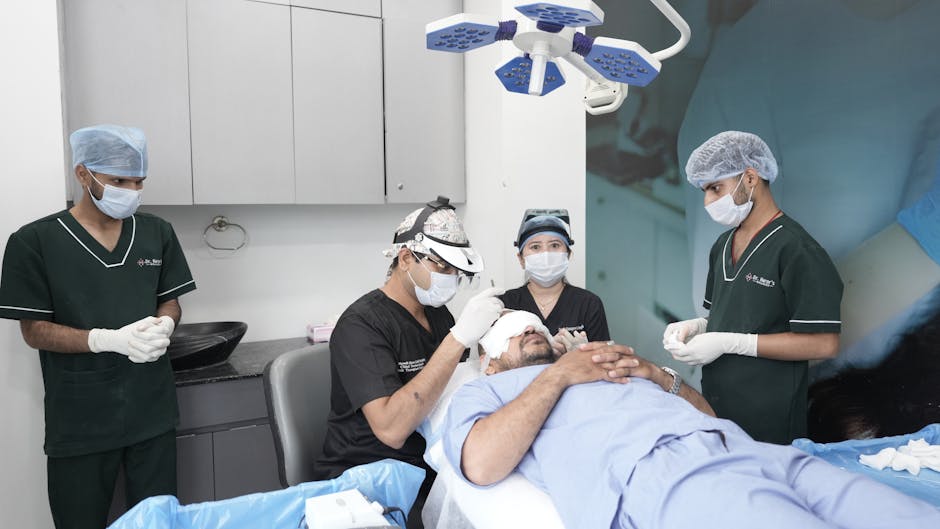
Hair loss can be a distressing experience for many people, impacting self-esteem and overall quality of life. Fortunately, advances in medical technology have made hair transplant procedures more effective and accessible than ever before. This article delves into the various techniques, benefits, and considerations surrounding hair transplants, providing readers with a thorough understanding of what to expect from this transformative process.
Understanding Hair Loss and Its Causes
Before exploring hair transplant options, it is crucial to understand the underlying causes of hair loss. Factors such as genetics, hormonal changes, medical conditions, and lifestyle choices can all contribute to thinning hair or baldness. According to the American Academy of Dermatology, approximately 80 million Americans experience hereditary hair loss. This statistic highlights the widespread nature of the issue and the increasing demand for effective solutions.
Androgenetic alopecia, commonly known as male or female pattern baldness, is the most prevalent cause of hair loss. This condition is characterized by a gradual thinning of hair, often beginning at the temples or crown of the head. Understanding the type of hair loss one is experiencing is essential in determining whether a hair transplant is a suitable option.
The Different Techniques of Hair Transplantation
There are primarily two methods of hair transplantation: Follicular Unit Transplantation (FUT) and Follicular Unit Extraction (FUE). Each technique has its advantages and is suited to different patient needs and hair loss patterns.
FUT involves removing a strip of scalp from the back of the head, where hair is typically more resilient. This strip is then dissected into individual follicular units and transplanted to the balding areas. While this method can result in a linear scar, it allows for the transplantation of a larger number of grafts in a single session.
On the other hand, FUE is a minimally invasive technique that involves extracting individual hair follicles directly from the scalp using a small punch tool. This method leaves tiny, dot-like scars and is often preferred by patients looking for a less invasive option. The choice between FUT and FUE ultimately depends on individual preferences and medical advice.
Benefits of Hair Transplants
One of the most significant benefits of hair transplants is the natural-looking results they can achieve. Unlike wigs or hairpieces, transplanted hair grows naturally and blends seamlessly with existing hair. This can significantly boost a person’s confidence and self-image.
Additionally, hair transplants offer a permanent solution to hair loss. Once the transplanted hair follicles establish themselves in their new locations, they will continue to grow for a lifetime. Many patients report high satisfaction rates, with studies showing that around 90% of individuals experience satisfactory hair growth after the procedure.
Moreover, advancements in technology and techniques have made hair transplants safer and more effective. With the introduction of robotic-assisted systems and improved post-operative care, patients can expect faster recovery times and fewer complications.
Considerations Before Undergoing a Hair Transplant
While hair transplants offer many benefits, it is essential to approach the decision with careful consideration. One must evaluate factors such as the current stage of hair loss, overall health, and realistic expectations regarding results. Consulting with a qualified specialist is crucial to determine if one is a suitable candidate for the procedure.
Furthermore, costs can vary significantly based on the clinic, technique used, and the number of grafts required. For instance, the average price of a hair transplant in the United States can range from $4,000 to $15,000. However, many individuals are opting for hair transplant procedures in countries known for affordable medical care, such as Turkey. In fact, many patients are increasingly traveling to hair transplant turkey clinics for cost-effective and high-quality treatments.
Lastly, understanding the potential risks and side effects associated with hair transplants, such as infection or scarring, is vital. Being informed can help individuals make better decisions regarding their hair restoration journey.
Conclusion
Hair transplants represent a promising solution for those struggling with hair loss, offering a permanent and natural-looking outcome. By understanding the various techniques available, the benefits, and necessary considerations, individuals can make informed decisions about their hair restoration options. As the demand for hair transplants continues to grow, advancements in technology will likely lead to even more effective solutions in the future, helping countless individuals regain their confidence and vitality.