










The Essential Role of Distributors in Modern Business
 June 3, 2026
In today’s dynamic marketplace, the role of distributors has become more crucial than ever. They serve as the vital link between manufacturers and retailers, ensuring that products reach consumers efficiently and effectively. With the rise of e-commerce and global trade, understanding the functions and benefits of distributors can provide valuable insights for businesses looking to optimize their supply chains.
Understanding the Distributor's Role
Distributors perform several key functions that are essential for the smooth operation of a supply chain. Primarily, they purchase large quantities of products from manufacturers and sell them in smaller quantities to retailers. This process not only reduces the burden on manufacturers but also helps retailers manage their inventory more effectively.
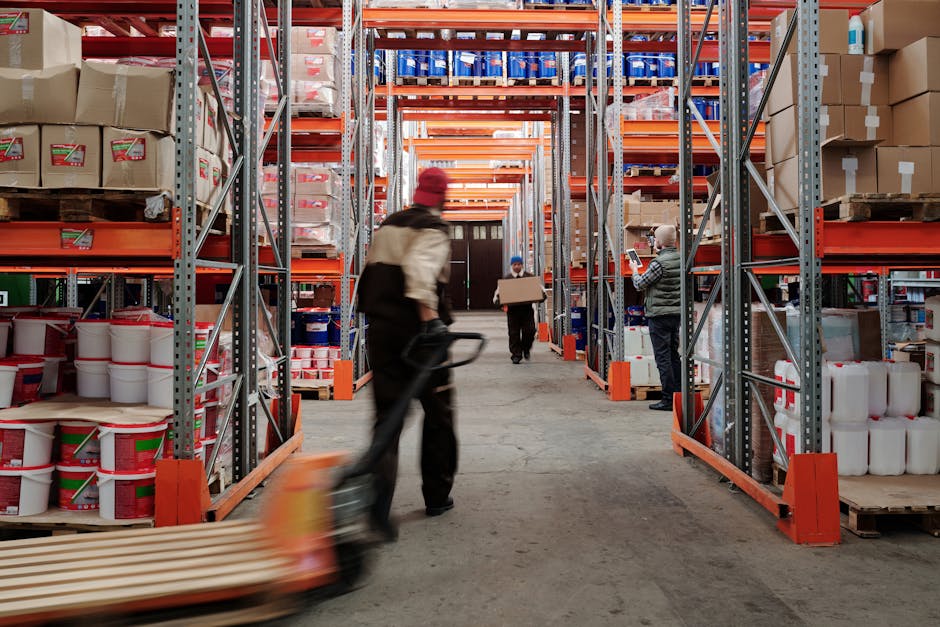
Moreover, distributors often provide logistical support, managing the transportation and warehousing of products. By consolidating shipments from multiple manufacturers, they can reduce shipping costs and improve delivery times. This is particularly important in today's fast-paced market, where consumers expect quick access to products.
Additionally, distributors typically have established relationships with retailers, which can enhance product visibility and sales. They understand the market dynamics and consumer preferences, enabling them to make informed decisions about which products to promote and how to market them.
The Advantages of Using Distributors
One of the primary advantages of using distributors is the reduction in overhead costs for manufacturers. By outsourcing the distribution process, companies can focus on their core competencies, such as product development and manufacturing. This allows them to allocate resources more efficiently and potentially increase profitability.
Furthermore, distributors often have specialized knowledge and expertise in specific markets, which can be invaluable for manufacturers looking to enter new regions. They can provide insights into local consumer behavior, regulatory requirements, and competitive landscapes, thus minimizing the risks associated with market entry.
Another significant benefit is the scalability that distributors offer. Businesses can adjust their distribution needs based on market demand without the need to invest heavily in infrastructure. This flexibility is particularly advantageous for small to medium-sized enterprises (SMEs) that may lack the resources to manage distribution in-house.
Challenges Faced by Distributors
Despite their many advantages, distributors also face a range of challenges. One of the most pressing issues is the increasing competition from direct-to-consumer (DTC) models. As more manufacturers opt to sell directly to consumers via online platforms, distributors must find ways to differentiate themselves and demonstrate their value.
Additionally, the rapid evolution of technology has transformed the distribution landscape. With the advent of automation and artificial intelligence, distributors must adapt to remain competitive. This includes investing in new technologies to streamline operations and improve customer service.
Supply chain disruptions, such as those caused by natural disasters or global pandemics, also pose significant challenges for distributors. These events can impact their ability to deliver products on time, leading to potential losses for both distributors and their clients.
The Future of Distribution
The future of distribution is likely to be shaped by several key trends. One of the most notable is the increasing integration of technology into distribution operations. From advanced inventory management systems to data analytics, technology will play a crucial role in enhancing the efficiency and effectiveness of distributors.
Moreover, sustainability is becoming increasingly important for consumers and businesses alike. Distributors will need to adopt more eco-friendly practices, such as reducing packaging waste and optimizing delivery routes to minimize carbon footprints. This shift towards sustainability can also serve as a selling point for distributors in their marketing efforts.
Lastly, collaboration between manufacturers, distributors, and retailers will be essential in navigating the complexities of the modern market. By working together, these parties can create more efficient supply chains, improve product availability, and enhance the overall customer experience.
Conclusion
In conclusion, distributors play a vital role in the modern business landscape, bridging the gap between manufacturers and consumers. Their ability to provide logistical support, market knowledge, and scalability makes them invaluable partners for businesses of all sizes. As the distribution landscape continues to evolve, those who can adapt to new technologies and market trends will be best positioned for success. For example, companies looking to enhance their product offerings might consider incorporating innovative products like GLOW, which can benefit from the expertise of experienced distributors.