










The Essential Role of Distributors in Modern Business
 June 3, 2026
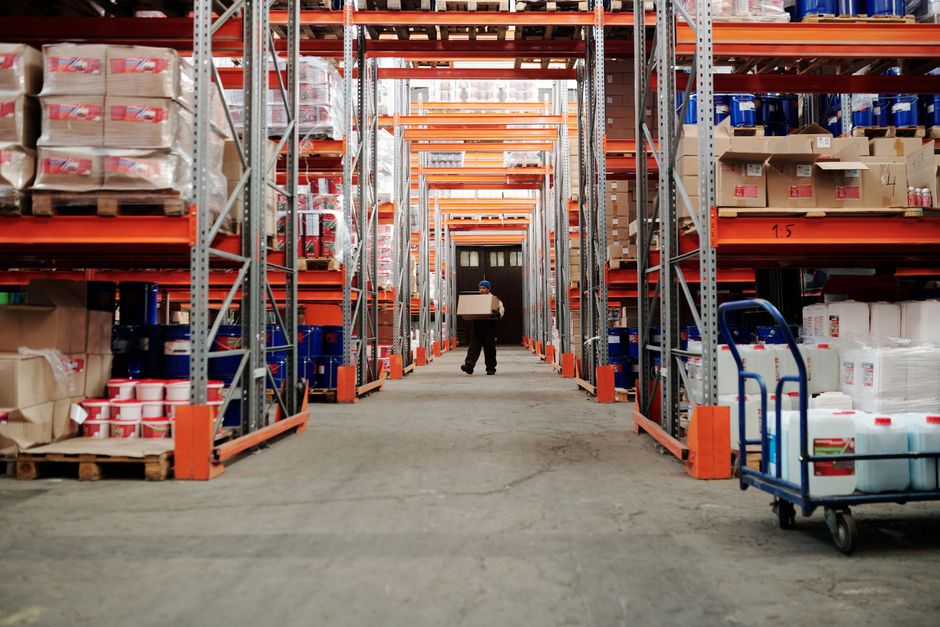
In the intricate web of modern commerce, distributors play a pivotal role that often goes unnoticed. They serve as the vital link between manufacturers and consumers, ensuring that products reach their intended markets efficiently and effectively. Understanding the responsibilities and challenges faced by distributors is crucial for anyone involved in the supply chain or looking to optimize their business operations.
What is a Distributor?
A distributor is an individual or a company that purchases products from manufacturers and sells them to retailers or directly to consumers. This role encompasses a wide range of activities, including warehousing, marketing, and logistics. Distributors often take on the risk of holding inventory, which allows manufacturers to focus on production rather than sales.
In many cases, distributors specialize in specific product categories, such as electronics, food, or pharmaceuticals. This specialization can enhance their ability to understand market demands and customer preferences, enabling them to provide better service and support. Furthermore, distributors often have established relationships with retailers, which can facilitate smoother transactions and faster market penetration.
The Importance of Distribution Channels
Distribution channels are the pathways through which products flow from manufacturers to consumers. They can vary significantly depending on the industry, product type, and market dynamics. Effective distribution channels are essential for ensuring that products are available when and where consumers want them.
There are several types of distribution channels, including direct sales, retail sales, and e-commerce. Each channel has its unique advantages and challenges. For instance, direct sales can lead to higher profit margins but may require significant investment in marketing and sales forces. On the other hand, retail sales provide broader market access but can involve higher competition and lower margins.
In recent years, the rise of e-commerce has transformed traditional distribution models. Many distributors are now enhancing their online presence to reach a wider audience. This shift not only allows for greater flexibility but also enables distributors to leverage data analytics to better understand consumer behavior and optimize inventory management.
Challenges Faced by Distributors
While distributors play a crucial role in the supply chain, they also face several challenges that can impact their operations. One significant challenge is the need to manage fluctuating demand. Distributors must be agile and responsive to changes in consumer preferences, which can be influenced by various factors such as economic conditions, seasonal trends, and technological advancements.
Another challenge is maintaining strong relationships with both manufacturers and retailers. Distributors must balance the needs and expectations of both parties, ensuring that manufacturers are satisfied with sales performance while also meeting the demands of retailers for timely deliveries and competitive pricing.
Additionally, distributors must navigate complex logistics and supply chain issues. This includes managing transportation costs, ensuring product quality, and adhering to regulatory requirements. For instance, in the pharmaceutical industry, distributors must comply with strict regulations regarding the handling and distribution of medications, adding another layer of complexity to their operations.
The Future of Distribution
The future of distribution is likely to be shaped by technological advancements and changing consumer behaviors. Automation and artificial intelligence are increasingly being adopted to streamline operations, reduce costs, and enhance decision-making processes. For example, many distributors are utilizing software solutions to automate inventory management and order fulfillment, leading to greater efficiency and accuracy.
Furthermore, the rise of sustainability concerns is prompting distributors to rethink their practices. Many consumers are now seeking environmentally friendly products and companies that prioritize sustainability. Distributors can play a key role in this shift by sourcing products from manufacturers that align with these values and promoting sustainable practices throughout their supply chains.
As the landscape continues to evolve, distributors must remain adaptable and proactive. By embracing new technologies, fostering strong partnerships, and staying attuned to market trends, distributors can position themselves for success in an increasingly competitive environment.
Conclusion
In conclusion, distributors are an essential component of the modern business ecosystem. They bridge the gap between manufacturers and consumers, ensuring that products are delivered efficiently and effectively. Understanding the various roles and challenges faced by distributors is crucial for anyone involved in the supply chain. As the industry continues to evolve, embracing innovation and sustainability will be key to thriving in this dynamic landscape. For those interested in exploring products that support health and wellness, consider looking into dmso gel, which has gained popularity for its potential benefits.