










The Evolving Landscape of the Construction Industry
 June 2, 2026
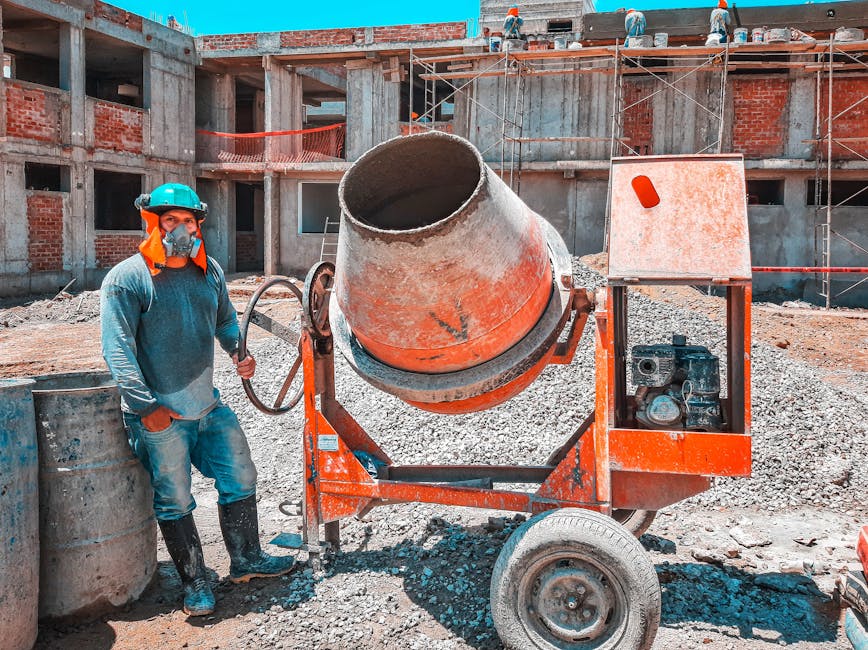
The construction industry is a vital component of the global economy, impacting everything from infrastructure development to urban planning. As we continue to face challenges such as rapid urbanization, technological advancements, and sustainability demands, the construction sector is undergoing significant transformations. This article explores the current trends, challenges, and innovations within the construction industry.
Current Trends in the Construction Industry
In recent years, the construction industry has experienced a surge in new trends that are reshaping how projects are designed and executed. One of the most significant trends is the integration of technology into construction practices. Building Information Modeling (BIM) is becoming a standard practice, allowing for better visualization and planning of projects. According to a report by McKinsey, companies that adopt BIM can see productivity improvements of up to 20%.
Moreover, the rise of modular and prefabricated construction methods is also changing the landscape. These methods allow for faster construction times and reduced waste, appealing to both developers and environmentally conscious consumers. In fact, a survey from the National Institute of Standards and Technology found that modular construction can reduce project timelines by as much as 50%.
As sustainability becomes a priority, the industry is also seeing an increased demand for green building practices. The use of sustainable materials and energy-efficient designs are not only beneficial for the environment but can also lead to long-term cost savings for builders and homeowners alike.
Challenges Facing the Construction Industry
Despite the promising trends, the construction industry is not without its challenges. Labor shortages have become a pressing issue, as many skilled workers are retiring without sufficient new talent to replace them. This shortage can lead to project delays and increased costs. According to the Associated General Contractors of America, 80% of construction firms are having difficulty finding qualified workers.
Additionally, the industry is grappling with rising material costs. Factors such as supply chain disruptions and tariffs have caused prices of essential materials like steel and lumber to fluctuate dramatically. This unpredictability can make budgeting for projects challenging and may lead to increased financing costs.
Moreover, safety remains a critical concern in the construction environment. With the high-risk nature of construction sites, ensuring the safety of workers is paramount. The Occupational Safety and Health Administration (OSHA) reports that falls are the leading cause of fatalities in the construction industry, highlighting the need for effective safety training programs.
Technological Innovations in Construction
The construction industry is increasingly embracing technology to enhance efficiency and safety. Drones are being utilized for site surveys and inspections, providing aerial views that can identify structural issues or monitor progress in real-time. In fact, a study by the Federal Aviation Administration suggests that the use of drones in construction can reduce survey times by up to 75%.
Another innovation is the implementation of artificial intelligence (AI) and machine learning. These technologies can help predict project risks and optimize scheduling, thereby reducing delays and costs. For instance, AI can analyze historical project data to identify patterns and improve future project outcomes.
Additionally, wearable technology is gaining traction within the industry. Devices such as smart helmets and vests can monitor workers’ health and safety, alerting supervisors to potential hazards. This proactive approach not only enhances worker safety but can also lead to reduced insurance costs for construction firms.
The Future of the Construction Industry
Looking ahead, the construction industry is poised for continued growth and adaptation. As cities expand and the demand for housing increases, innovative building solutions will be essential. The integration of smart technologies in construction and the focus on sustainability will likely define the future landscape of the industry.
Furthermore, collaboration within the sector is becoming increasingly important. Establishing a robust construction network charlotte nc can facilitate knowledge-sharing and resource allocation, ultimately leading to more successful projects.
In conclusion, while the construction industry faces numerous challenges, the opportunities for innovation and growth are substantial. By embracing new technologies and practices, the industry can navigate obstacles and build a more sustainable and efficient future.