










The Bright Future of LED Technology
 June 2, 2026
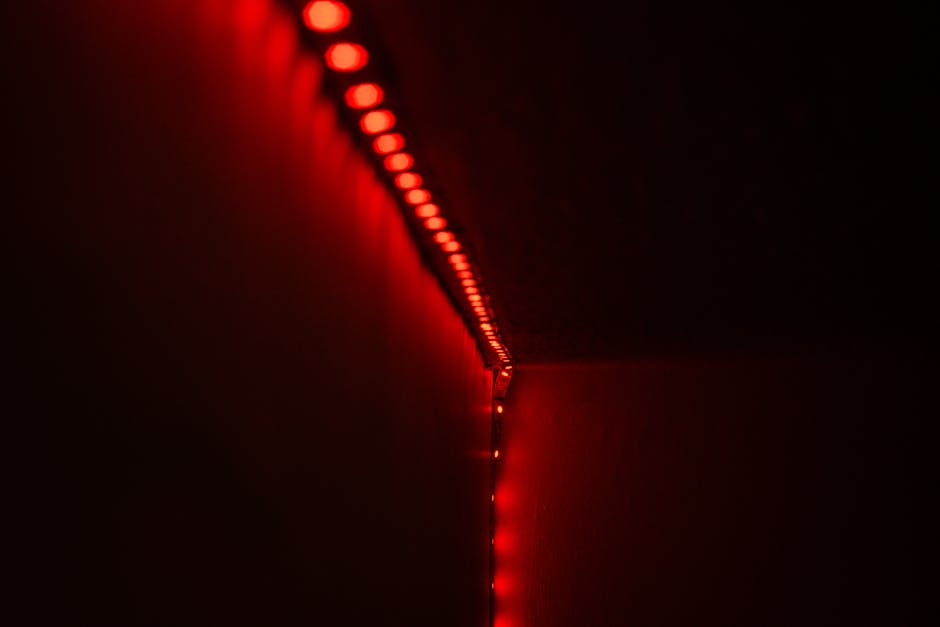
In recent years, LED technology has emerged as a revolutionary force in various industries, transforming the way we illuminate our spaces and engage with light. From residential settings to commercial applications, the adoption of LED lighting has been meteoric. This article delves into the multifaceted world of LEDs, exploring their benefits, applications, and future prospects.
Understanding LED Technology
LED, or Light Emitting Diode, is a semiconductor device that emits light when an electric current passes through it. Unlike traditional incandescent bulbs, LEDs are highly energy-efficient and have a longer lifespan. The technology behind LEDs has evolved significantly since their inception, leading to advancements in brightness, color range, and application versatility.
LEDs are available in various colors and can be used in different configurations, making them suitable for a wide array of applications. For instance, RGB (Red, Green, Blue) LEDs can create a spectrum of colors, allowing for dynamic lighting effects in both residential and commercial settings. An example of this versatility can be seen in the use of benzi LED RGB strips that are popular for decorative purposes.
The Environmental Impact of LEDs
One of the most significant advantages of LED technology is its reduced environmental impact. Traditional lighting options, such as incandescent and fluorescent bulbs, consume more energy and contain hazardous materials like mercury. In contrast, LEDs are free from toxic substances and consume up to 80% less energy.
The transition to LED lighting can lead to substantial reductions in carbon footprints. According to studies, if every household in the United States replaced just one incandescent bulb with an LED, the energy savings would be equivalent to the annual output of over 1 million cars. This statistic emphasizes the potential of LEDs in combating climate change and promoting sustainable living.
Applications of LED Technology
The applications of LED technology are vast and varied. In residential settings, LEDs are used for general lighting, accent lighting, and even in outdoor environments. Their ability to change colors and dim makes them a popular choice for creating ambiance in homes.
In the commercial sector, LEDs are increasingly used in signage, advertising, and architectural lighting. Retailers use dynamic LED displays to attract customers, while office buildings utilize energy-efficient LED lighting to reduce operational costs. Moreover, the automotive industry has embraced LED technology for headlights, taillights, and interior lighting, enhancing both aesthetics and safety.
The Future of LED Technology
The future of LED technology looks promising, with ongoing research and development aimed at improving efficiency and functionality. Innovations such as organic LEDs (OLEDs) and quantum dot LEDs (QLEDs) are on the horizon, potentially revolutionizing the market further.
As smart technology continues to integrate into our daily lives, LEDs are also becoming a crucial component of smart lighting systems. These systems allow users to control lighting remotely through apps, optimizing energy use and enhancing convenience. As cities around the world adopt smart lighting solutions, the demand for LEDs will continue to rise.
Conclusion
LED technology has undoubtedly changed the lighting landscape, providing energy-efficient, long-lasting, and versatile solutions for various applications. As we move towards a greener future, the importance of LEDs in reducing energy consumption and environmental impact cannot be overstated. With advancements on the way, the potential of LED technology is limitless, paving the way for a brighter and more sustainable world.