










Effective Strategies for Bedbug Extermination
 June 2, 2026
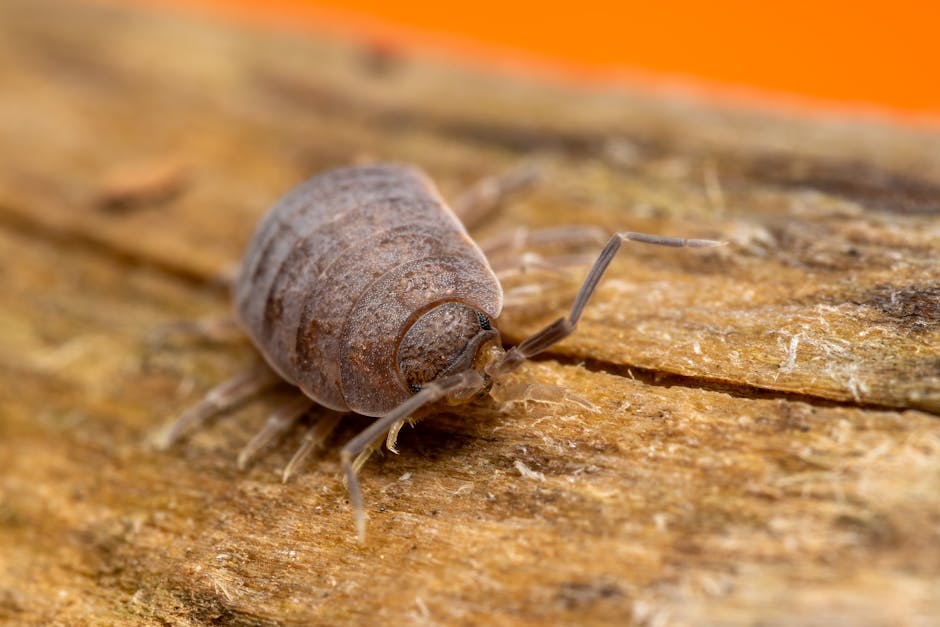
Dealing with bedbugs can be a nightmare for any homeowner. These tiny pests are notorious for their ability to hide and multiply quickly, making them a formidable challenge to eliminate. Understanding the nature of bedbugs and the most effective extermination methods can help you reclaim your space and peace of mind. In this article, we will explore various strategies for effective bedbug extermination.
Understanding Bedbugs
Bedbugs, scientifically known as Cimex lectularius, are small, wingless insects that feed on human blood. They are primarily nocturnal and prefer to hide in cracks and crevices during the day. Their presence can lead to sleepless nights and significant distress due to their itchy bites. According to the National Pest Management Association, bedbug infestations have increased by 500% in the last decade, highlighting the importance of understanding these pests.
These pests are often found in places where people sleep, such as beds, couches, and luggage. Bedbugs can travel from one location to another through clothing, furniture, and other personal items, making them difficult to eradicate once they enter your home. Understanding their behavior and habitats is crucial for effective extermination.
Signs of Infestation
Identifying a bedbug infestation early is key to successful extermination. Common signs include the presence of bedbug bites on your skin, small blood stains on bedding, and dark spots of bedbug excrement on sheets or furniture. Additionally, you may notice a musty odor, which is often associated with a large infestation.
Regularly inspecting your sleeping areas and belongings can help you catch an infestation before it becomes severe. Look for live bugs, shed skins, and eggs in seams of mattresses, box springs, and bed frames. If you suspect you have a bedbug problem, taking swift action is essential.
Extermination Techniques
There are several methods for bedbug extermination, each with its own pros and cons. One of the most effective methods is professional extermination. Pest control services often use a combination of chemical treatments and heat applications to eliminate bedbugs effectively. Heat treatment, in particular, involves raising the temperature of an infested area to a level that is lethal to bedbugs and their eggs.
For those who prefer a DIY approach, there are numerous bed bug treatment options available. Vacuuming regularly, washing bedding and clothing in hot water, and using bedbug-proof encasements can help manage and reduce populations. However, it’s important to note that DIY methods may not be sufficient for severe infestations.
Another effective technique is the use of insecticides. There are various commercial bedbug sprays available that can kill bedbugs on contact. However, proper application is crucial to ensure effectiveness and safety. Following the manufacturer’s instructions and considering the potential risks to humans and pets is essential.
Prevention Tips
Once you’ve successfully dealt with a bedbug infestation, prevention becomes a priority. To avoid future infestations, consider implementing the following strategies. First, regularly inspect your home, especially after traveling or acquiring second-hand furniture. Always check hotel beds and luggage for signs of bedbugs during trips.
Seal cracks and crevices in your home to eliminate potential hiding spots for bedbugs. Using bedbug-proof encasements for mattresses and box springs can also provide a protective barrier. Additionally, maintain a clutter-free environment to reduce potential hiding places for these pests.
Education is another key component of prevention. Stay informed about bedbug trends and signs of infestation to react quickly if necessary. By being proactive, you can significantly reduce the risk of a future bedbug problem.
When to Seek Professional Help
While some homeowners may attempt to handle bedbug infestations on their own, there are times when professional help is necessary. If the infestation is severe or persists despite your efforts, it may be time to call in the experts. Professional pest control services have access to more potent treatments and can provide a thorough inspection to ensure all bedbug hiding spots are addressed.
Additionally, if you’re unsure about the extent of the infestation, an experienced pest control technician can help identify the problem and recommend appropriate action. Remember, early intervention can save you time, stress, and money in the long run.
Conclusion
Effective bedbug extermination requires a combination of knowledge, persistence, and the right strategies. By understanding the nature of bedbugs, recognizing the signs of infestation, and employing effective extermination techniques, you can reclaim your space from these unwelcome pests. Whether you choose to tackle the problem yourself or seek professional help, taking action is vital to ensuring a bedbug-free home. For those looking for more information, various resources are available, including bed bug treatment options that can help guide you through the process.