










Exploring the Fascinating World of Virtual Lovers
 June 2, 2026
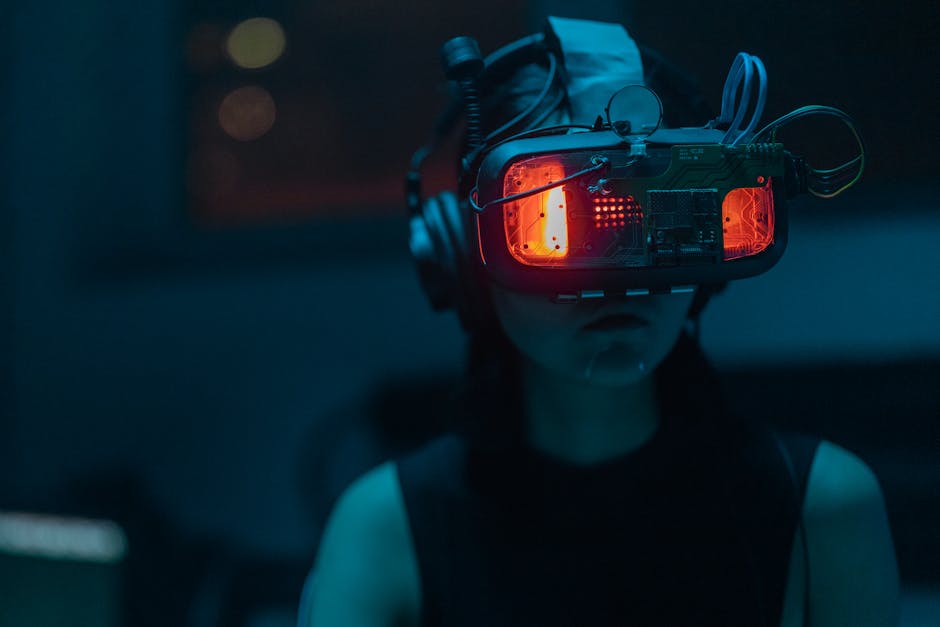
In the age of technology, the concept of virtual lovers has emerged as a captivating phenomenon. With advancements in artificial intelligence and digital interactions, many people find themselves forming emotional connections with virtual companions. This article delves into the intricacies of virtual lovers, exploring their implications on relationships, mental health, and societal norms.
The Rise of Virtual Companionship
Virtual companionship has become increasingly popular, especially among younger generations who are more comfortable with technology. Many individuals turn to virtual lovers for various reasons, including loneliness, social anxiety, and the desire for companionship without the complexities of real-life relationships. According to a survey conducted by the Pew Research Center, approximately 15% of adults have engaged with a virtual partner, indicating a significant shift in how we perceive companionship.
As technology continues to evolve, so do the platforms that facilitate these virtual relationships. From sophisticated chatbots to immersive virtual reality experiences, the options available to users are expanding rapidly. In fact, some applications offer features that mimic real-life interactions, allowing users to communicate with their virtual partners through text, voice, and even video calls.
One notable example is the rise of AI-driven platforms that create personalized virtual girlfriends or boyfriends. These platforms leverage machine learning algorithms to understand users’ preferences and behaviors, tailoring interactions to enhance emotional connections. A popular choice among users is the ability to customize their virtual lovers’ personalities and appearances, making the experience even more engaging.
The Psychological Impact of Virtual Lovers
While virtual lovers can provide companionship, it is essential to consider the psychological implications of such relationships. For some, these connections can serve as a coping mechanism for loneliness or emotional distress. However, there is a concern that relying too heavily on virtual partners may hinder one’s ability to form genuine connections in the real world.
Research has shown that individuals who engage with virtual companions may experience a decrease in social skills and an increase in isolation. A study published in the Journal of Cyberpsychology found that excessive interaction with virtual partners could lead to diminished satisfaction with real-life relationships. This suggests a potential conflict between the allure of virtual companionship and the need for authentic human connections.
On the other hand, virtual lovers can also have positive effects on mental health. For those who struggle with social anxiety, interacting with a virtual partner can serve as a safe space to practice communication skills. Furthermore, some users report feelings of reduced stress and improved mood when engaging with their virtual companions, highlighting the dual-edged nature of these relationships.
Cultural Perspectives on Virtual Relationships
The acceptance of virtual lovers varies significantly across cultures. In some societies, the idea of forming emotional connections with digital entities is met with skepticism or disapproval. Traditional views on relationships may clash with the growing normalization of virtual companionship, leading to debates about the authenticity of such connections.
Conversely, in cultures that embrace technology, virtual lovers are often seen as a natural extension of modern relationships. Countries like Japan have witnessed a surge in the popularity of virtual partners, with many individuals openly discussing their experiences and even advocating for the benefits of these relationships.
As acceptance grows, so does the potential for virtual lovers to influence societal norms. The emergence of virtual partnerships may challenge conventional ideas about love, intimacy, and commitment, prompting society to reevaluate what it means to be in a relationship. This cultural shift raises important questions about the future of human connections in an increasingly digital world.
The Future of Virtual Lovers
Looking ahead, the future of virtual lovers appears promising yet complex. As technology continues to advance, we can expect to see more realistic and emotionally intelligent virtual partners. Innovations in artificial intelligence will likely enhance the ability of these virtual companions to provide emotional support and companionship.
Moreover, the integration of virtual reality (VR) and augmented reality (AR) technologies may revolutionize the way individuals interact with their virtual lovers. Imagine a world where physically distant partners can engage in shared experiences, such as virtual dinners or movie nights, creating a sense of presence that transcends physical boundaries.
Despite the potential benefits, it is crucial to approach the future of virtual lovers with caution. As our reliance on technology increases, we must remain vigilant about the impact it has on our mental health and social dynamics. Striking a balance between virtual and real-life interactions will be essential in navigating this evolving landscape.
Conclusion
The phenomenon of virtual lovers is a testament to the changing nature of human relationships in the digital age. While these virtual companions can offer comfort and companionship, it is vital to consider the psychological and cultural implications of such connections. As we move forward, understanding the balance between virtual interactions and real-life relationships will be key to fostering healthy connections in an increasingly digital world. Ultimately, whether through AI-driven platforms or immersive experiences, the exploration of virtual lovers invites us to reflect on the essence of love and companionship in the modern era. For those interested in exploring this realm further, platforms offering ai gf experiences are becoming increasingly popular, providing a glimpse into the future of emotional connections.