










The Evolution of Children’s Toy Manufacturers: Trends and Innovations
 June 30, 2026
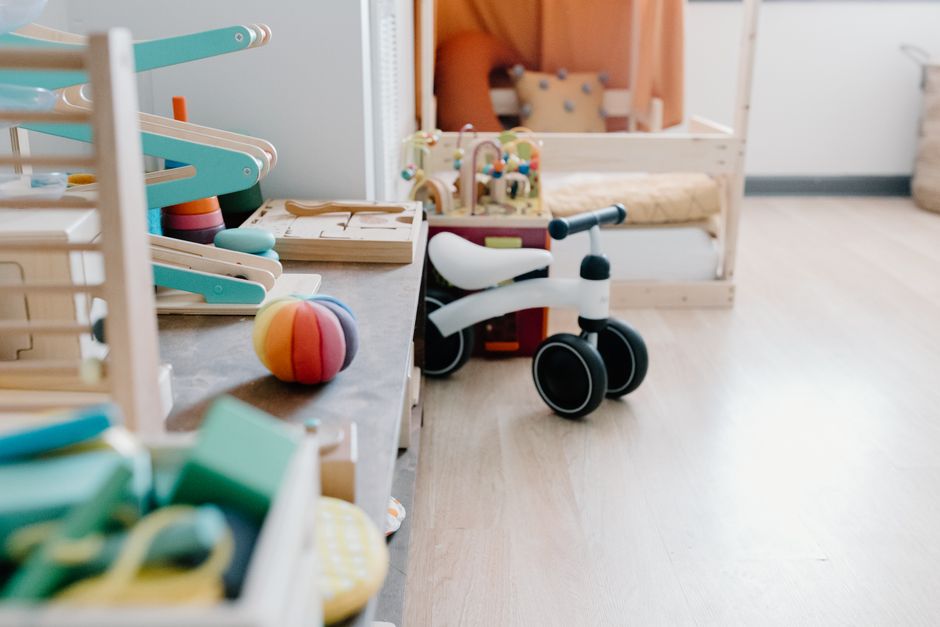
The world of children’s toys has evolved significantly over the past few decades, reflecting changes in technology, culture, and consumer preferences. From traditional wooden toys to high-tech gadgets, the landscape of children’s toys continues to transform. This article explores the current trends and innovations in the toy manufacturing industry, highlighting how manufacturers are adapting to meet the needs of modern families.
The Shift Towards Educational Toys
In recent years, there has been a marked shift towards educational toys that promote learning and development. Parents are increasingly seeking toys that not only entertain but also enhance their children’s cognitive abilities. Manufacturers have responded to this demand by creating products that incorporate STEM (Science, Technology, Engineering, and Mathematics) principles. For instance, toys that involve building blocks or coding kits are popular choices among parents looking to provide their children with a head start in critical thinking and problem-solving skills.
According to a recent report, the educational toy market is projected to grow by over 10% annually, highlighting the increasing importance of learning through play. As a result, many companies are investing in research and development to create innovative educational toys that captivate children’s imaginations while fostering learning.
Sustainability in Toy Manufacturing
As environmental awareness grows, so does the demand for sustainable toys. Many parents are now concerned about the materials used in their children’s toys and their impact on the environment. Toy manufacturers are beginning to prioritize sustainability by using eco-friendly materials and production processes.
For example, some companies are producing toys made from recycled plastics or sustainably sourced wood. This not only appeals to environmentally conscious consumers but also sets a precedent for future generations about the importance of sustainability. Additionally, brands that emphasize their commitment to eco-friendly practices often see a boost in customer loyalty and brand reputation.
The Role of Technology in Modern Toys
Technology has become an integral part of children’s playtime, with many toys now incorporating digital elements. From interactive dolls that respond to voice commands to augmented reality games, the integration of technology into toys has created a new realm of possibilities for play.
Manufacturers are leveraging advancements in technology to create immersive experiences that blend physical and digital play. For instance, some toys now come with accompanying apps that provide extended play options, enhancing the overall experience for children. This trend not only keeps children engaged but also encourages them to explore and learn in new ways.
Safety Regulations and Standards
With the increase in demand for innovative toys, safety has become a paramount concern for manufacturers. Regulatory bodies worldwide have established stringent safety standards to ensure that toys are safe for children. Manufacturers must comply with these regulations to avoid recalls and maintain consumer trust.
For instance, the American Society for Testing and Materials (ASTM) sets the standards for toy safety in the United States. Manufacturers need to conduct thorough testing and ensure that their products meet these requirements before they hit the market. This focus on safety not only protects children but also reinforces the reputation of toy manufacturers as responsible and trustworthy.
Market Trends and Consumer Preferences
Understanding market trends and consumer preferences is crucial for toy manufacturers. As the demographics of parents change, so do their purchasing decisions. Millennials, for example, are more likely to prioritize experiences over material possessions, influencing the types of toys they buy for their children.
Many manufacturers are now focusing on creating toys that encourage imaginative play and social interaction, rather than just individual play. Toys that promote group activities or family bonding have gained popularity, as parents seek to foster connections among their children and within their families.
Additionally, the rise of online shopping has transformed how consumers purchase toys. Manufacturers are adapting their marketing strategies to reach customers through digital channels, recognizing the importance of e-commerce in today’s retail landscape.
Conclusion
The children’s toy manufacturing industry is undergoing a significant transformation, driven by changing consumer preferences, technological advancements, and a growing emphasis on sustainability. As manufacturers continue to innovate and adapt to these trends, the future of children’s toys looks promising. Companies that embrace these changes and prioritize safety, education, and environmental responsibility will likely thrive in this competitive market. The role of toy manufacturers is not just to create products but to inspire the next generation of thinkers, creators, and leaders.
For those interested in exploring more about the industry, a reliable children toy manufacturer can provide insights into current trends and product offerings.