










The Art and Science of Aerial Drone Photography
 June 30, 2026
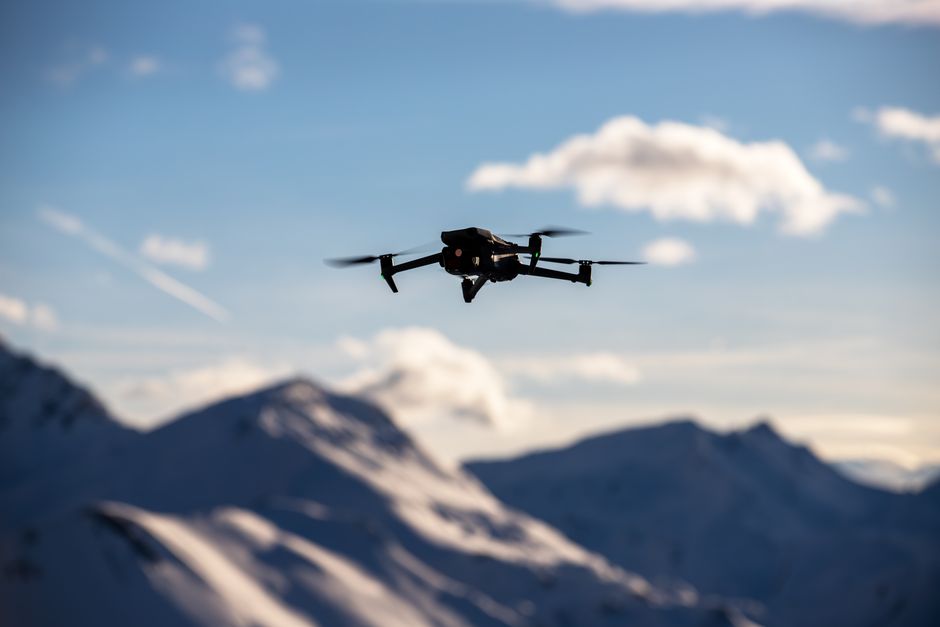
Aerial drone photography has revolutionized the way we capture images from above, offering a unique perspective that was once reserved for helicopters and planes. With the advancement of drone technology, photographers and videographers can now access stunning vistas and angles that were previously difficult or impossible to achieve. This article delves into the intricacies of aerial drone photography, exploring its benefits, techniques, and the best practices for capturing breathtaking images.
Understanding Aerial Drone Photography
Aerial drone photography involves the use of unmanned aerial vehicles (UAVs), commonly known as drones, to take photos and videos from elevated positions. The primary advantage of using drones is their ability to fly at various altitudes and angles, allowing photographers to capture remarkable landscapes, architectural marvels, and events from a bird’s-eye view. This innovative approach provides a fresh perspective and opens up new creative opportunities for photographers.
According to recent studies, the market for drone photography is expected to grow exponentially, with an annual increase of around 20% over the next few years. This growth is driven by both professional photographers and hobbyists who are eager to explore this exciting field. As drone technology continues to improve, the quality and accessibility of aerial photography will only enhance.
Equipment and Technology
To embark on an aerial drone photography journey, it is crucial to select the right equipment. Drones equipped with high-resolution cameras, stabilization technology, and long battery life are essential for capturing clear and stable images. Popular models include the DJI Phantom series and the DJI Mavic series, both of which offer excellent features for photographers.
Additionally, understanding the technical aspects of photography, such as frame rate, shutter speed, and ISO settings, is vital for achieving professional results. For example, shooting in RAW format can provide greater flexibility during post-processing, allowing for better adjustments in exposure and color correction.
The integration of software and apps for drone operation and image editing has also enhanced the aerial photography experience. Many drones come with companion apps that allow users to control the camera settings and preview the shots in real-time, ensuring that every angle is perfectly captured.
Techniques for Captivating Shots
Capturing stunning aerial images requires a combination of creativity and technical skill. One effective technique is to utilize different flight patterns, such as straight-line paths, spirals, or circular movements, to create dynamic compositions. Additionally, understanding the principles of composition, such as the rule of thirds, can significantly impact the quality of the images.
Lighting is another crucial factor in aerial photography. The golden hour, shortly after sunrise and before sunset, provides soft, diffused light that enhances the landscape’s colors and textures. Photographers should plan their flights accordingly to take advantage of these optimal lighting conditions.
Moreover, experimenting with different altitudes can yield diverse perspectives. While some shots may benefit from a higher vantage point, others may be more impactful when taken closer to the ground. This versatility allows photographers to tell a story through their images, showcasing the relationship between the landscape and its surroundings.
Legal and Safety Considerations
As the popularity of aerial drone photography increases, so does the need for awareness regarding legal regulations and safety protocols. In many countries, drone operators are required to register their drones and obtain permits for commercial use. It is essential to familiarize oneself with local laws before flying, as regulations can vary significantly.
Safety should always be a top priority. Drone pilots must be aware of their surroundings and avoid flying in restricted airspace, near airports, or over large crowds. Additionally, ensuring that the drone is in good working condition and performing pre-flight checks can prevent accidents and malfunctions during operation.
Building a solid understanding of ethical photography practices is equally important. Respecting private property and seeking permission before capturing images of personal residences or private events can help maintain a good relationship with the community and promote responsible drone usage.
Future Trends in Aerial Drone Photography
The future of aerial drone photography looks promising, with continuous advancements in technology paving the way for even more innovative applications. The integration of artificial intelligence (AI) and machine learning into drone systems is expected to enhance image capturing and processing capabilities. For instance, AI algorithms can analyze scenes in real-time, adjusting camera settings automatically for optimal results.
Furthermore, the rise of virtual reality (VR) and augmented reality (AR) will provide new avenues for showcasing aerial photography. Imagine experiencing a 360-degree view of a breathtaking landscape through VR, all captured by a drone. This evolution will not only change the way we capture images but also how we experience them.
As the industry grows, so does the potential for aerial drone photography to play a significant role in various sectors, including real estate, tourism, and environmental monitoring. For example, real estate agents increasingly use aerial shots to market properties, providing potential buyers with a comprehensive view of the area.
Conclusion
Aerial drone photography offers a captivating way to explore and document the world from above. With the right equipment, techniques, and a solid understanding of legal and safety considerations, photographers can unlock a new realm of creativity. As technology continues to evolve, the possibilities for aerial photography are limitless, making it an exciting field for both professionals and enthusiasts alike. To learn more about how to get started in this vibrant domain, consider exploring resources that specialize in aerial drone photography.