










The Essential Guide to Finding the Right Gemstone Supplier
 June 30, 2026
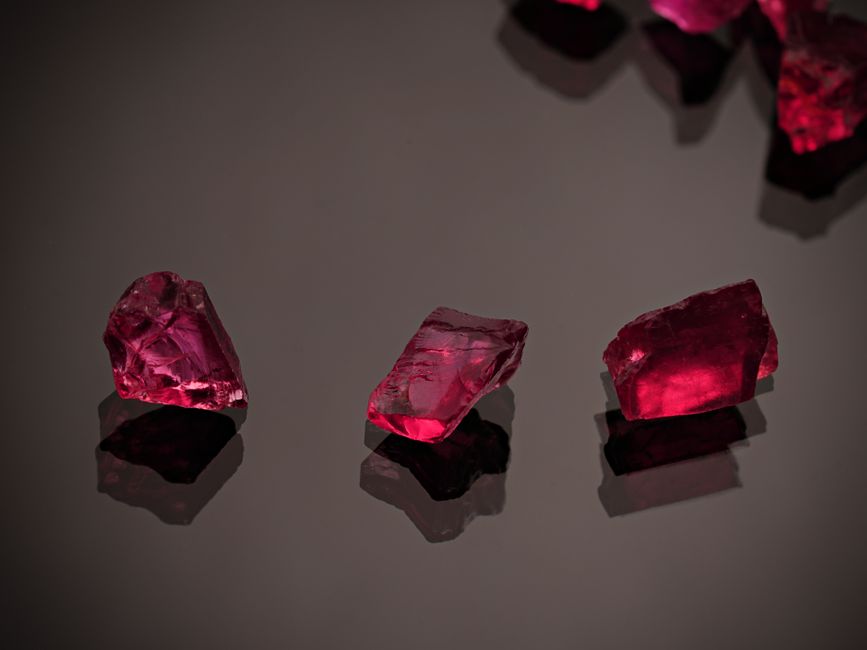
In the world of jewelry and precious stones, the significance of selecting the right gemstone supplier cannot be overstated. Whether you are a jeweler, a designer, or simply a gemstone enthusiast, having access to quality gemstones at competitive prices is crucial. The market is filled with numerous suppliers, each offering a variety of products, services, and expertise. This guide will explore the vital aspects of choosing the right gemstone supplier, ensuring that you make informed decisions that benefit your business or personal collection.
Understanding the Gemstone Market
The gemstone market is a complex web of suppliers, dealers, and artisans. It’s essential to understand this landscape before making any purchasing decisions. Gemstones are categorized into precious and semi-precious stones, each with unique characteristics, values, and market demands. Precious stones like diamonds, rubies, and emeralds are often more expensive and sought after compared to semi-precious stones such as amethyst and topaz.
According to a report by Research and Markets, the global gemstone market is expected to grow significantly, driven by rising consumer demand for jewelry. Understanding market trends, pricing, and consumer preferences can empower you to negotiate better deals with suppliers. Additionally, it’s crucial to stay updated on ethical sourcing practices, as consumers are increasingly concerned about the origins of the gemstones they purchase.
Evaluating Supplier Credibility
Not all gemstone suppliers are created equal. Evaluating the credibility of a supplier is paramount to ensuring you receive quality products. Look for suppliers who are members of recognized industry associations, such as the Gemological Institute of America (GIA) or the American Gem Trade Association (AGTA). Membership in these organizations often indicates a commitment to ethical practices and quality standards.
Furthermore, request certifications for the gemstones you wish to purchase. Certifications provide detailed information about a gemstone’s quality, origin, and any treatments it has undergone. This transparency is critical in building trust with your supplier. A reliable gemstone supplier will be more than willing to provide this information, ensuring that you make well-informed purchases.
Building a Strong Relationship with Suppliers
Establishing a strong relationship with your gemstone supplier can lead to better pricing, exclusive deals, and access to unique products. Regular communication is key; ensure that you discuss your needs, preferences, and any particular gemstone qualities you are interested in. A good supplier will take the time to understand your business and offer personalized solutions that cater to your requirements.
Consider attending trade shows and gemstone exhibitions to network with suppliers and other industry professionals. These events provide a platform for face-to-face interactions, allowing you to assess the quality of gemstones directly and build rapport with potential suppliers. Remember, a long-term partnership with a supplier can be much more beneficial than one-off transactions.
Comparing Prices and Services
When choosing a gemstone supplier, comparing prices and services is critical. Start by requesting quotes from multiple suppliers for the same gemstones. This will help you gauge the market price and ensure you are not overpaying. However, be cautious of prices that seem too good to be true, as they may indicate inferior quality gemstones or unethical sourcing practices.
Additionally, evaluate the services provided by the supplier. Do they offer customization options? What are their return and exchange policies? Are they equipped to handle bulk orders? Understanding the full range of services can help you make a more informed choice, ensuring that the supplier meets all your business needs.
The Future of Gemstone Supply
As technology continues to evolve, the gemstone supply chain is also undergoing significant changes. Online platforms and digital marketplaces are becoming increasingly popular, allowing consumers and businesses to connect with gemstone suppliers from around the world. This shift not only enhances accessibility but also increases competition, leading to better prices and improved quality.
Moreover, advancements in technology, such as blockchain, are being implemented to ensure transparency and traceability in the gemstone supply chain. This is particularly important for consumers who prioritize ethical sourcing. As the market continues to develop, staying informed about these trends will help you adapt and thrive in the industry.
Conclusion
Choosing the right gemstone supplier is a critical step in enhancing your jewelry business or personal collection. By understanding the market, evaluating supplier credibility, building strong relationships, comparing prices, and staying informed about industry trends, you can make informed decisions that lead to successful outcomes. Remember to prioritize quality, ethics, and transparency in your supplier relationships to ensure that you are always offering the best to your customers or yourself. For those looking for reliable sources, consider exploring options like a reputable gemstone supplier to kickstart your journey.