










The Rising Tide of Esports Team Sponsorships
 June 30, 2026
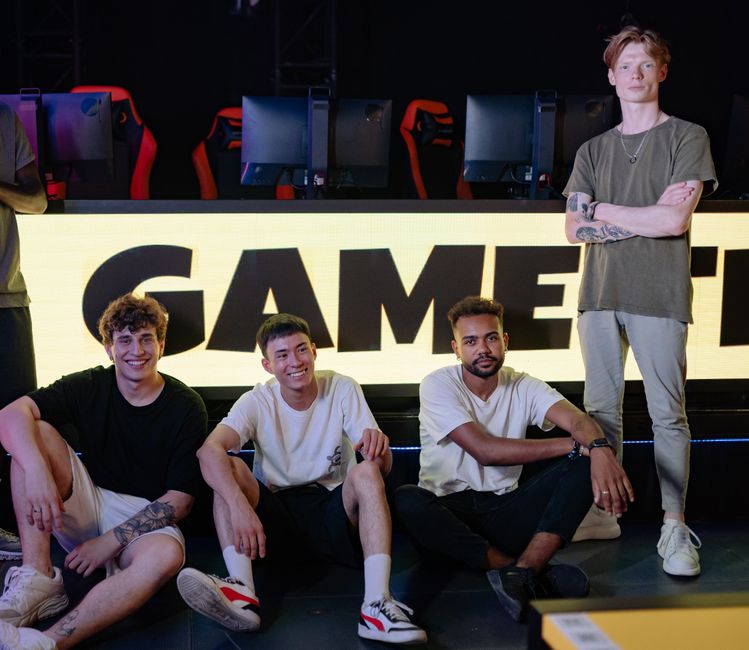
The world of competitive gaming, or esports, has exploded in popularity over the past decade, drawing millions of fans and generating billions in revenue. One of the most significant factors contributing to this growth is the increasing interest from brands to sponsor esports teams. This article explores the landscape of esports team sponsorship, examining its benefits, challenges, and the future of brand partnerships in the gaming industry.
Understanding the Esports Sponsorship Ecosystem
Esports sponsorships are multifaceted partnerships where companies provide financial support to gaming teams in exchange for brand visibility and engagement with the gaming audience. This ecosystem encompasses various forms of sponsorship, including team jerseys, event sponsorships, and even in-game branding. Companies recognize that aligning with esports teams allows them to connect with a younger, tech-savvy demographic that traditional advertising often fails to reach.
According to a report by Newzoo, global esports revenues are projected to surpass $1.5 billion by 2023, with sponsorships accounting for nearly 60% of this revenue. Brands like Red Bull, Coca-Cola, and Intel have already established strong ties with esports teams, showcasing the potential for significant returns on investment.
The Benefits of Sponsoring Esports Teams
One of the main advantages of sponsoring esports teams is the ability to reach a highly engaged audience. Fans of esports are often passionate and loyal, creating strong community bonds. This loyalty translates into higher engagement rates for sponsors, who can leverage social media platforms to amplify their brand message.
Moreover, esports sponsorships offer brands the opportunity to create authentic connections with consumers. By associating with a team or player that resonates with their target audience, companies can foster a sense of belonging and community around their brand. For example, the partnership between Team Liquid and Alienware has not only boosted brand visibility but has also created a shared identity among fans.
Challenges in Esports Sponsorships
Despite the numerous benefits, brands face challenges when entering the esports sponsorship space. One major concern is the fragmentation of the esports landscape. With numerous games, tournaments, and platforms, it can be difficult for sponsors to determine where to invest their resources effectively.
Additionally, the rapid evolution of the esports industry means that brands must stay agile and adaptable. Trends can shift quickly, and what works today might not be effective tomorrow. Companies need to conduct thorough research and maintain a pulse on the gaming community to ensure their sponsorship strategies remain relevant.
Successful Case Studies in Esports Sponsorship
Several brands have successfully navigated the esports sponsorship landscape, setting benchmarks for future partnerships. One notable example is the collaboration between Coca-Cola and the League of Legends World Championship. This partnership not only included brand visibility but also interactive fan experiences, such as virtual events and in-game activations, engaging millions of players worldwide.
Another example is the partnership between BMW and the esports organization G2 Esports. BMW has not only sponsored the team but also integrated its branding into G2’s content, creating a seamless connection between the brand and the gaming community. This approach emphasizes the importance of creativity and authenticity in sponsorships.
The Future of Esports Sponsorships
As the esports industry continues to grow, the future of sponsorships looks promising. Brands are increasingly recognizing the importance of long-term relationships with teams and players, rather than one-off sponsorship deals. This shift towards sustainable partnerships allows for deeper brand integration and more meaningful engagement with audiences.
Additionally, the rise of new technologies such as virtual reality (VR) and augmented reality (AR) presents exciting opportunities for innovative sponsorship strategies. Brands can create immersive experiences that enhance fan engagement and create lasting memories. For instance, using AR to engage fans during live events can elevate the overall experience and strengthen brand loyalty.
In conclusion, the landscape of esports team sponsorship is dynamic and evolving. As brands seek to connect with the gaming community, understanding the nuances of this ecosystem will be crucial for success. By navigating the benefits and challenges, companies can forge impactful partnerships that resonate with audiences and drive growth in the esports arena.