










The Rise of Sustainable Architecture Firms in Modern Design
 June 30, 2026
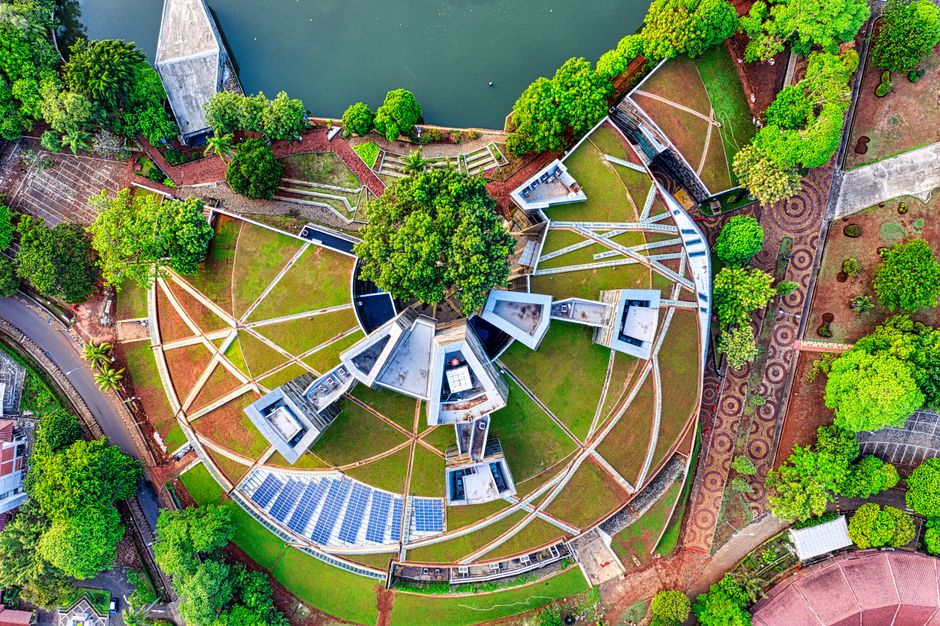
In recent years, the concept of sustainability has permeated various industries, and architecture is no exception. As climate change becomes an increasingly pressing issue, the need for environmentally friendly building practices has gained momentum. Sustainable architecture firms are at the forefront of this movement, innovating designs that not only meet the needs of their clients but also prioritize the health of our planet. In this article, we will explore the significance of these firms, their design philosophies, and the future of sustainable architecture.
Understanding Sustainable Architecture
Sustainable architecture focuses on minimizing the negative environmental impact of buildings through thoughtful design. This includes the use of renewable resources, energy-efficient systems, and sustainable materials. The aim is to create spaces that harmonize with nature, reduce waste, and conserve energy. For example, many sustainable architecture firms are incorporating passive solar design, which utilizes the sun’s energy for heating and cooling, thereby lessening reliance on artificial climate control systems.
In addition to environmental benefits, sustainable architecture often leads to healthier living spaces. Natural light, improved air quality, and the use of non-toxic materials contribute to the overall well-being of occupants. As more people become aware of the health implications of their living environments, the demand for sustainable design continues to rise.
Innovative Design Strategies
Sustainable architecture firms employ a variety of innovative strategies to achieve their goals. Green roofs, for instance, are a popular feature in many modern buildings. These roofs not only provide insulation but also absorb rainwater and support biodiversity. Similarly, the use of reclaimed materials is on the rise, allowing architects to reduce waste while adding unique character to their projects.
Another key strategy is the integration of smart technology. Many sustainable buildings are equipped with systems that optimize energy use, such as smart thermostats and energy monitoring tools. By providing real-time feedback, these technologies enable occupants to make informed decisions about their energy consumption.
Collaboration is also crucial in the design process. Sustainable architecture firms often work closely with engineers, landscape architects, and even local communities to ensure that their designs are not only functional but also culturally and environmentally appropriate. This collaborative approach leads to more holistic and successful projects.
Case Studies of Successful Projects
To illustrate the impact of sustainable architecture, let’s look at a few notable projects. The Bullitt Center in Seattle, often referred to as the greenest commercial building in the world, is a prime example. It features a solar array that produces more energy than the building consumes, as well as a rainwater harvesting system that provides all the water needed for the building’s occupants.
Another inspiring project is the Bosco Verticale in Milan, Italy. This residential complex incorporates over 9,000 trees and 20,000 plants on its balconies, significantly improving air quality and providing a habitat for local wildlife. The design not only enhances the aesthetic appeal of the structures but also promotes biodiversity in an urban environment.
These projects demonstrate the potential of sustainable architecture to transform our cities and improve our quality of life. They serve as a testament to what is possible when innovative design meets a commitment to environmental stewardship.
The Future of Sustainable Architecture
The future of sustainable architecture looks promising, with growing awareness and demand for eco-friendly building practices. Governments around the world are implementing stricter regulations regarding building codes and sustainability standards, encouraging more architects to adopt these practices. Additionally, as technology continues to advance, we can expect to see even more innovative solutions in the realm of sustainable design.
As consumers become more environmentally conscious, they are increasingly seeking out sustainable options in all aspects of their lives, including housing. This shift in consumer behavior is driving the growth of sustainable architecture firms, which are adapting to meet these changing demands.
Moreover, educational programs focused on sustainable design are becoming more prevalent, equipping the next generation of architects with the knowledge and skills needed to tackle environmental challenges. This educational emphasis will play a crucial role in shaping the future of architecture.
Conclusion
In conclusion, sustainable architecture firms are leading the charge toward a more environmentally responsible future. Through innovative design strategies, successful projects, and a commitment to collaboration, these firms are redefining what it means to build responsibly. As we move forward, it is essential that we continue to support and invest in sustainable practices, ensuring that our built environments contribute positively to the planet and society. The role of a sustainable architecture firm is not just about creating buildings, but about shaping a sustainable future for generations to come.