










Transforming Visions into Reality: The Power of 3D Rendering Services
 June 30, 2026
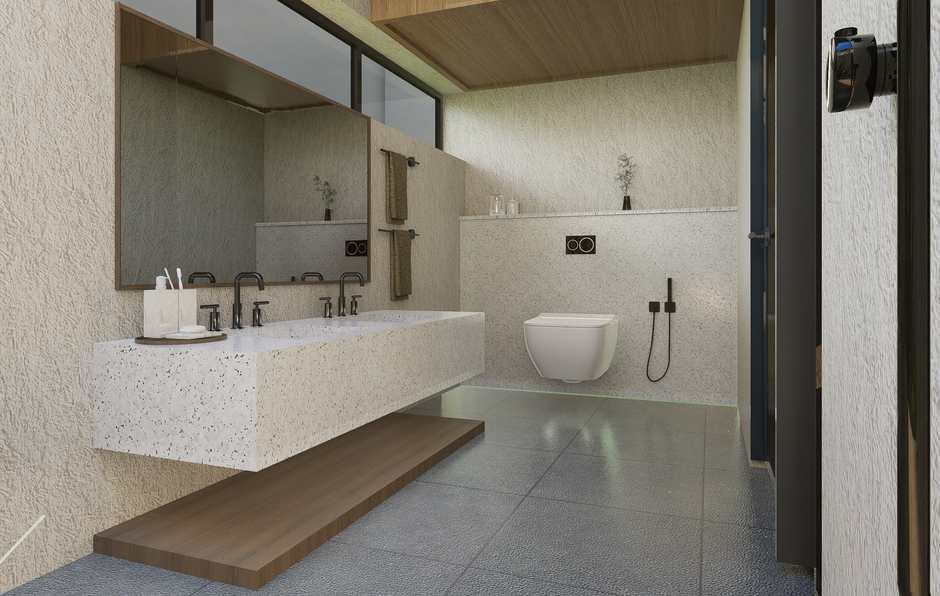
In an era where visual communication is paramount, businesses are increasingly adopting 3D rendering services to convey their ideas and concepts. Whether in architecture, product design, or marketing, 3D rendering has revolutionized the way we present information. This technology not only enhances creativity but also improves communication between stakeholders. In this article, we will explore the various aspects of 3D rendering services, their applications, and how they can significantly impact various industries.
Understanding 3D Rendering Services
3D rendering refers to the process of creating two-dimensional images from three-dimensional models using computer software. This technique allows designers and architects to visualize their projects before they are built. The output can range from simple 2D images to complex animations, depending on the requirements of the project. As technology advances, the quality of 3D rendering has improved dramatically, providing realistic textures, lighting, and shadows that make the virtual representation almost indistinguishable from real life.
One of the main advantages of using 3D rendering services is the ability to create immersive environments. Clients can walk through virtual spaces, making it easier to understand layouts and designs. This is particularly useful in architecture and real estate, where buyers can experience a property before it is completed. Furthermore, 3D rendering can help in identifying potential design flaws early in the process, saving time and resources.
Applications Across Industries
The applications of 3D rendering services are vast and varied. In architecture, architects utilize rendering to create visual presentations for clients, enabling them to grasp the scale and aesthetics of a project. Real estate companies also benefit from this technology, using renderings to market properties before they are built. On the other hand, product designers leverage 3D rendering to showcase their designs in a realistic manner, helping stakeholders visualize the final product.
For example, automotive companies often use 3D rendering to design and market new vehicles. By creating highly detailed visualizations of new models, they can gather feedback and make necessary adjustments before production begins. Similarly, the film and gaming industries rely heavily on 3D rendering to create stunning visual effects and immersive environments that captivate audiences.
The Process of 3D Rendering
The 3D rendering process typically involves several stages. First, a 3D model is created using specialized software. This model serves as the foundation for the rendering process. Next, textures and materials are applied to the model, defining how surfaces will look. Lighting is then added, which plays a crucial role in creating the desired mood and atmosphere. Finally, the scene is rendered, producing the final image or animation.
Quality is a critical factor in 3D rendering. High-quality renderings require powerful hardware and sophisticated software. Many companies outsource their rendering needs to specialized firms that can deliver professional results. By doing so, they ensure that their visual presentations meet industry standards and effectively communicate their vision.
Cost Considerations
When considering 3D rendering services, cost is an important factor to evaluate. Prices can vary widely depending on the complexity of the project, the level of detail required, and the experience of the rendering service provider. Some basic renderings can be relatively inexpensive, while highly detailed animations or virtual reality experiences can be significantly more costly.
However, it is essential to view this as an investment rather than an expense. The ability to visualize a project before it is built can lead to better decision-making, reduced errors, and ultimately, a higher return on investment. Additionally, high-quality renderings can enhance marketing efforts, attracting more clients and customers.
The Future of 3D Rendering Services
As technology continues to evolve, the future of 3D rendering services looks promising. Innovations such as real-time rendering and virtual reality are set to transform the industry. Real-time rendering allows designers to see changes instantly, streamlining the design process and facilitating collaboration among team members.
Moreover, the integration of artificial intelligence is likely to enhance the capabilities of rendering software, automating many of the labor-intensive tasks involved in the process. This will not only reduce costs but also increase the speed at which projects can be completed.
Conclusion
In conclusion, 3D rendering services play a crucial role in various industries, transforming ideas into visually compelling representations. From architecture to product design, the applications are limitless. As technology advances, the quality and accessibility of these services will continue to improve, making them an invaluable asset for businesses looking to communicate their visions effectively. Investing in 3D rendering is not just about enhancing visuals; it’s about improving collaboration, reducing costs, and gaining a competitive edge in the market.