










The Art and Science of Commercial Interior Design
 June 29, 2026
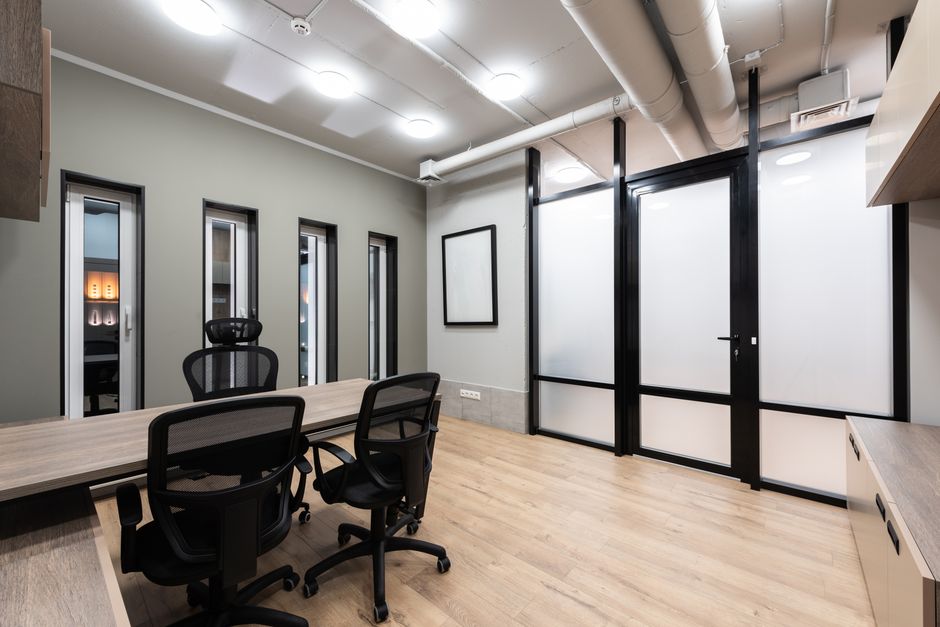
In today’s competitive business environment, the aesthetics and functionality of commercial spaces play a crucial role in attracting clients and enhancing employee productivity. This is where the expertise of a commercial interior designer comes into play. By blending creativity with strategic planning, these professionals transform ordinary spaces into extraordinary environments that reflect a brand’s identity and values.
Understanding Commercial Interior Design
Commercial interior design encompasses the design of interior spaces in commercial settings such as offices, retail stores, restaurants, and hotels. Unlike residential design, commercial design focuses on creating functional spaces that accommodate a larger number of people and serve specific business purposes. The primary goal is to create an environment that is not only aesthetically pleasing but also enhances the user experience.
One of the key aspects of commercial interior design is understanding the client’s business model and target audience. For instance, a restaurant’s interior should create a welcoming atmosphere while ensuring efficient kitchen operations. Similarly, an office design should promote collaboration and productivity among employees.
The Role of a Commercial Interior Designer
A commercial interior designer is responsible for a variety of tasks, from initial concept development to project completion. This includes space planning, selecting furnishings, coordinating color schemes, and overseeing the installation of design elements. They must also adhere to building codes and regulations, ensuring that all designs are safe and accessible.
Additionally, a commercial interior designer often collaborates with architects, contractors, and other professionals to ensure that the design aligns with the overall project goals. Their expertise in materials and furnishings allows them to make informed decisions that enhance the sustainability and functionality of the space.
For businesses looking to revamp their interiors, hiring a commercial interior designer can lead to significant improvements in both aesthetics and functionality. These professionals bring a wealth of knowledge and experience, ensuring that every detail is considered and executed flawlessly.
Trends in Commercial Interior Design
The world of commercial interior design is constantly evolving, influenced by changing consumer behaviors, technological advancements, and design trends. One significant trend is the increasing focus on sustainability. Businesses are now seeking eco-friendly materials and designs that reduce their carbon footprint.
Another trend is the integration of technology into design. Smart office spaces equipped with automation systems, energy-efficient lighting, and advanced communication tools are becoming more prevalent. This not only enhances the user experience but also contributes to operational efficiency.
Furthermore, biophilic design, which incorporates natural elements into interior spaces, is gaining popularity. This approach aims to create a connection between people and nature, leading to improved well-being and productivity.
Case Studies in Successful Commercial Interior Design
Several companies have successfully transformed their commercial spaces through thoughtful interior design. For example, Google’s offices are renowned for their innovative designs that foster creativity and collaboration among employees. The use of open spaces, vibrant colors, and unique furniture encourages interaction and idea sharing.
On the other hand, Starbucks has mastered the art of creating a cozy and inviting atmosphere in its stores. By incorporating comfortable seating, warm lighting, and local artwork, Starbucks has turned its locations into community hubs where customers feel at home.
These examples illustrate how effective commercial interior design can enhance brand identity and customer experience, ultimately driving business success.
The Future of Commercial Interior Design
As we look to the future, the role of commercial interior designers will continue to evolve. With the rise of remote work and flexible office arrangements, designers will need to adapt their strategies to create spaces that are versatile and conducive to collaboration, whether in-person or virtual.
Moreover, the demand for personalized and unique commercial environments will only increase. Businesses will seek to differentiate themselves through distinctive designs that resonate with their target audiences. This presents an exciting opportunity for commercial interior designers to push the boundaries of creativity and innovation.
Conclusion
Commercial interior design is more than just aesthetics; it is a strategic tool that can enhance business operations and brand identity. By understanding the unique needs of each client, commercial interior designers can create spaces that not only look great but also serve specific functional purposes. As trends continue to evolve, those who embrace innovation and sustainability will thrive in this dynamic field.