







Maximizing Your Music Production: A Guide to Recording Studio Rentals
 June 29, 2026
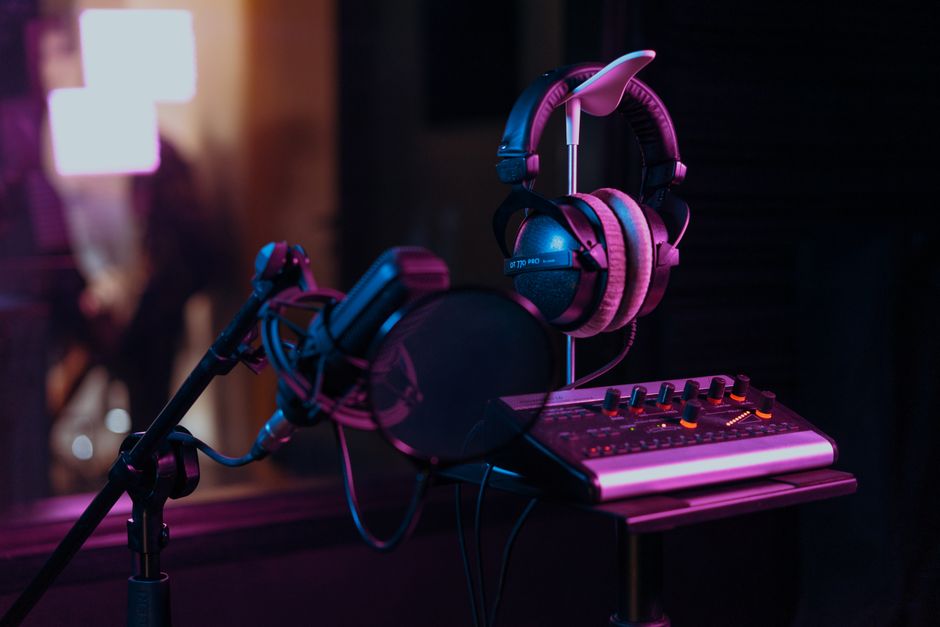
The world of music production has evolved dramatically over the years, offering aspiring musicians and seasoned professionals alike a plethora of options when it comes to creating their sound. One of the most important decisions in this journey is choosing the right environment for recording. Renting a recording studio can provide the perfect setting to bring your musical vision to life, but with so many options available, how do you choose the right one? This article will guide you through the ins and outs of recording studio rentals, helping you make an informed decision.
Understanding the Basics of Recording Studio Rentals
Before diving into the specifics of recording studio rentals, it’s essential to understand what a recording studio is. A recording studio is a specialized facility equipped with technology and soundproofing designed to capture audio effectively. When renting a studio, you’re not just renting space; you’re gaining access to professional-grade equipment and acoustics that can elevate your music.
Typically, recording studios come in various sizes and configurations, ranging from small project studios to large professional facilities. Rental costs can vary widely based on location, reputation, and the services provided. For example, a basic studio rental might start at around $50 per hour, while high-end facilities can charge upwards of $300 per hour.
Factors to Consider When Choosing a Studio
When selecting a recording studio for your next project, there are several critical factors to consider:
- Location: Consider whether you want a studio close to home or one in a city known for its music scene. Proximity can affect costs and convenience.
- Equipment: Ensure the studio has the necessary equipment for your project, including microphones, mixing consoles, and software.
- Acoustics: The studio’s acoustics can significantly impact the quality of your recordings. Visit the studio beforehand to assess the sound quality.
- Engineers and Staff: Experienced sound engineers can make a big difference in the final product. Look for studios with knowledgeable staff who can assist you during the recording process.
Cost Considerations for Studio Rentals
Budgeting for a recording studio rental can be daunting, but understanding the cost structure can help. Many studios charge by the hour, while others may offer package deals for longer sessions. It’s essential to clarify what is included in the rental fee. Some studios might include access to an engineer, while others may charge extra for this service.
Additionally, consider any hidden costs that may arise, such as fees for extra equipment, overtime charges, or post-production services. It’s wise to ask for a detailed breakdown of costs before signing any agreements to avoid unexpected expenses.
Making the Most of Your Studio Time
Once you’ve secured your studio rental, it’s crucial to maximize your time there. Preparation is key. Arrive with a clear plan of what you want to achieve, including song arrangements, sound preferences, and any specific techniques you wish to use.
Additionally, consider scheduling a rehearsal session before the actual recording. This allows you to work through any issues and ensures that everyone is on the same page. Effective communication with your sound engineer will also help streamline the recording process and enhance the quality of your output.
Exploring Alternatives to Traditional Studios
While traditional recording studio rentals are popular, there are alternative options worth exploring. Home studios have become increasingly viable for musicians seeking to produce high-quality music without the expense of renting a professional space. With advancements in technology, it’s now possible to create a soundproof environment and invest in quality recording equipment for home use.
Additionally, collaborative spaces and co-working studios are emerging as a cost-effective solution for artists who want to share resources. These studios often provide access to high-end equipment at a fraction of the cost of traditional studio rentals. For those considering these alternatives, researching local offerings and assessing your specific needs is crucial.
Conclusion
Renting a recording studio can be a pivotal step in your music production journey. By understanding the various factors involved, from location and equipment to costs and preparation, you can make an informed decision that suits your artistic vision and budget. Whether you choose a traditional studio or explore alternative options, the right environment can significantly impact the quality of your music. For those looking for a reliable option, recording studio rental services can provide the necessary tools and support to help you create your next masterpiece.