








Unlocking Creativity: The Ultimate Guide to Recording Studio Rental
 June 29, 2026
In today’s music industry, the significance of a professional recording studio can’t be overstated. For musicians, producers, and audio engineers, choosing the right recording studio can be the difference between a mediocre track and a chart-topping hit. This article delves into the essentials of recording studio rentals, offering insights on what to look for, the benefits of renting, and tips to maximize your recording experience.
Understanding the Basics of Recording Studio Rentals
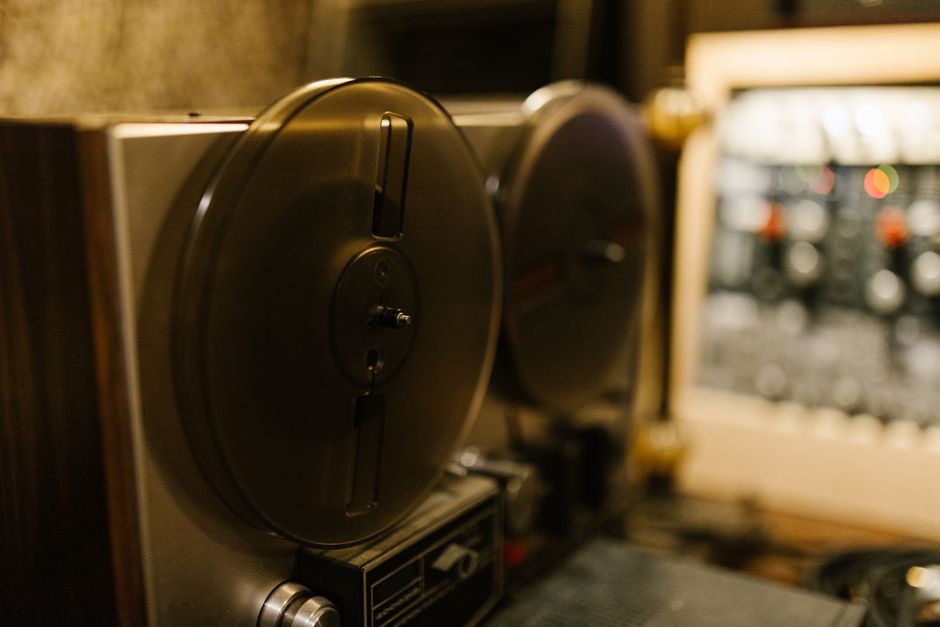
Recording studio rentals are an essential service for artists looking to capture high-quality sound without the overhead costs of owning a studio. These spaces come equipped with professional-grade equipment, soundproofing, and acoustics designed to enhance the recording process. Renting a studio allows creators to focus on their craft while leaving the technical aspects to experienced sound engineers.
When considering a rental, it’s important to evaluate several factors, including location, pricing, and available equipment. Many studios offer hourly rates, while others may provide package deals for extended sessions. Understanding these options can help you budget effectively and choose a studio that meets your needs.
Benefits of Renting a Recording Studio
One of the primary advantages of renting a recording studio is access to top-tier equipment. Professional studios are equipped with high-end microphones, mixing consoles, and soundproof rooms that can significantly improve the quality of your recordings. For instance, using a Neumann U87 microphone in a well-treated room can elevate vocal tracks to a professional standard.
Additionally, renting a studio often means working with experienced engineers and producers who can provide valuable insights and assistance during the recording process. Their expertise can help you achieve the sound you envision, making it worthwhile to consider a studio that offers professional support.
Moreover, the environment of a recording studio can inspire creativity. Being in a dedicated space designed for music production can lead to new ideas and collaborations that might not occur in a home studio setup.
Choosing the Right Recording Studio
With countless recording studios available, selecting the right one can be daunting. Start by defining your specific needs: Are you recording vocals, instruments, or both? Do you need a space that can accommodate live band recordings? Answering these questions will help narrow down your options.
Next, consider visiting the studio before making a reservation. This allows you to assess the space, meet the staff, and ensure that the equipment meets your expectations. Many studios also offer virtual tours, which can be a convenient alternative.
Don’t forget to check reviews and testimonials from other artists. Their experiences can provide insights into the studio’s atmosphere and the quality of service provided. For those looking for a seamless experience, consider studios that offer comprehensive packages, including mixing and mastering services along with the rental.
Maximizing Your Time in the Studio
Once you’ve secured a rental, preparation is key to making the most of your time. Create a detailed plan for your recording session, including a list of songs, arrangements, and specific sounds you want to achieve. This will help keep the session organized and focused.
It’s also beneficial to communicate clearly with the studio staff about your goals and expectations. If you’re renting a studio with an engineer, sharing references and discussing your vision can lead to a more productive session.
Lastly, don’t underestimate the importance of warm-up time. Arriving early to set up and get comfortable in the space can help ease any nerves and allow for a more fluid recording process.
Cost Considerations for Renting a Studio
The cost of recording studio rentals can vary widely depending on location, equipment, and the length of your session. On average, hourly rates can range from $50 to $200 or more, depending on the studio’s reputation and amenities.
It’s essential to factor in additional costs such as mixing and mastering if those services are not included in your rental agreement. Some studios may offer package deals that can help save money if you plan to record multiple tracks.
Lastly, don’t hesitate to negotiate. Many studios are open to discussing rates, especially for longer bookings or repeat customers. Understanding the market rates in your area can also empower you during these conversations.
Conclusion
Renting a recording studio can be a transformative experience for any artist or producer. By understanding the basics of studio rental, recognizing the benefits of professional equipment, and preparing adequately, you can enhance your music production process significantly. Whether you’re a seasoned musician or just starting, finding the right studio can unlock your creative potential and lead to exceptional recordings. For those interested in a hassle-free experience, consider exploring options for recording studio rental that cater to your specific needs and budget.