










Exploring the Potential of CBD Product Wholesale
 June 29, 2026
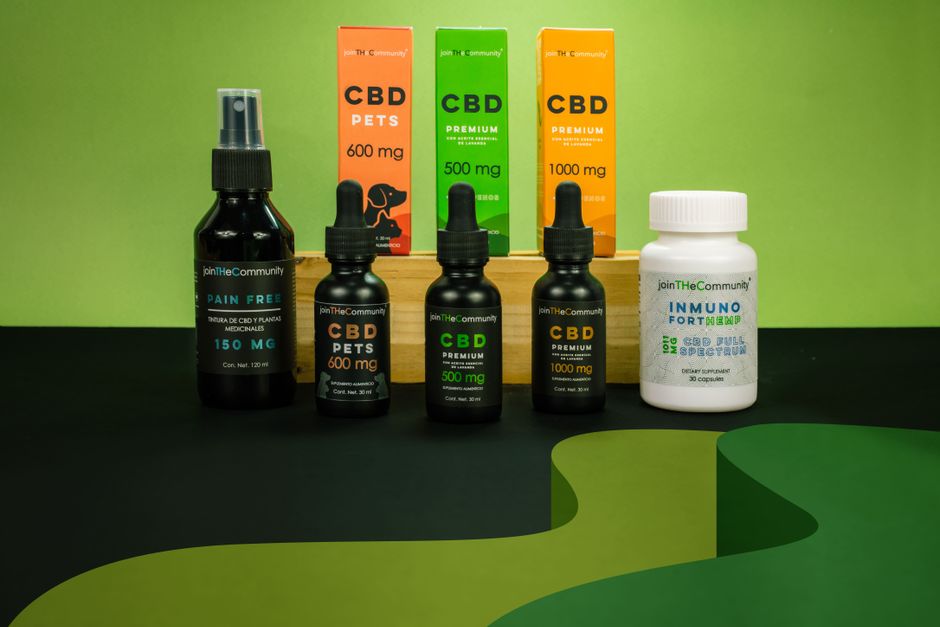
The CBD industry has seen tremendous growth over the past few years, evolving into a multi-billion dollar market. As more consumers become aware of the benefits of CBD, the demand for high-quality products continues to rise. For businesses looking to tap into this lucrative market, understanding the dynamics of CBD product wholesale is crucial. This article delves into the various aspects of CBD wholesale, its benefits, challenges, and trends that shape the industry.
Understanding the CBD Market
The CBD market has expanded significantly, driven by increasing consumer interest in natural remedies. According to a report by Grand View Research, the global CBD market is expected to reach USD 47.22 billion by 2028, growing at a CAGR of 21.2% from 2021. This growth can be attributed to the rising acceptance of cannabis for therapeutic use, along with a growing trend toward wellness and self-care.
As the market grows, so does the need for businesses to understand the various products available. CBD can be found in a range of forms including oils, tinctures, edibles, and topicals. Each product type appeals to different consumer preferences, making it essential for wholesalers to have a diverse product line to meet market demands.
In addition, the regulatory landscape surrounding CBD is continually evolving, which can impact wholesale operations. Understanding these regulations is vital for businesses aiming to maintain compliance and build trust with their customers.
Benefits of Buying CBD Products Wholesale
One of the primary advantages of purchasing CBD products wholesale is cost savings. By buying in bulk, retailers can significantly reduce their unit pricing compared to purchasing individual items. This reduction in cost can lead to higher profit margins, which is essential for sustaining a competitive edge in the market.
Moreover, wholesale purchasing allows businesses to offer a wider variety of products. Retailers can stock various CBD items, catering to different consumer preferences and needs. This variety not only enhances customer satisfaction but also increases the likelihood of repeat purchases.
Furthermore, establishing relationships with reliable wholesale suppliers can lead to better product quality. Many reputable suppliers prioritize quality assurance and testing, ensuring that the products meet consumer expectations and regulatory standards. For businesses, partnering with respected suppliers can enhance their brand reputation.
Challenges in the CBD Wholesale Industry
Despite the promising outlook for the CBD market, there are several challenges that wholesalers must navigate. One significant issue is the inconsistency in product quality. With numerous suppliers entering the market, maintaining quality control can be difficult. Retailers must conduct thorough research to find reputable wholesalers that adhere to strict quality standards.
Another challenge is the regulatory environment. The legality of CBD products varies by region, and wholesalers must stay informed about local laws to avoid legal complications. This requires ongoing education and vigilance to ensure compliance.
Additionally, the market is becoming increasingly saturated, leading to heightened competition among wholesalers. Businesses need to develop unique selling propositions and effective marketing strategies to stand out in a crowded marketplace.
Trends Shaping the CBD Wholesale Market
As the CBD industry continues to evolve, several key trends are emerging that wholesalers should pay attention to. One of the most significant trends is the shift towards sustainability. Consumers are increasingly looking for products that are environmentally friendly and ethically sourced. Wholesalers that prioritize sustainable practices can appeal to this growing demographic.
Another trend is the rise of personalized CBD products. Customization options are gaining popularity, with consumers seeking products tailored to their specific needs. Wholesalers can capitalize on this trend by offering a range of formulations that target different health concerns.
Furthermore, the integration of technology in the CBD wholesale sector is becoming more prevalent. From online ordering systems to blockchain for tracking product origins, technology is streamlining operations and enhancing transparency. Wholesalers that embrace these innovations can improve their efficiency and customer trust.
Conclusion
The CBD wholesale market presents vast opportunities for businesses willing to navigate its complexities. By understanding the market dynamics, leveraging the benefits of wholesale purchasing, and staying informed about challenges and trends, retailers can position themselves for success. As the industry continues to grow, those who prioritize quality, sustainability, and innovation will likely lead the way. For those interested in exploring the world of CBD product wholesale, the time to act is now.