










Unlocking Precision: The Future of CNC Machining Services
 June 22, 2026
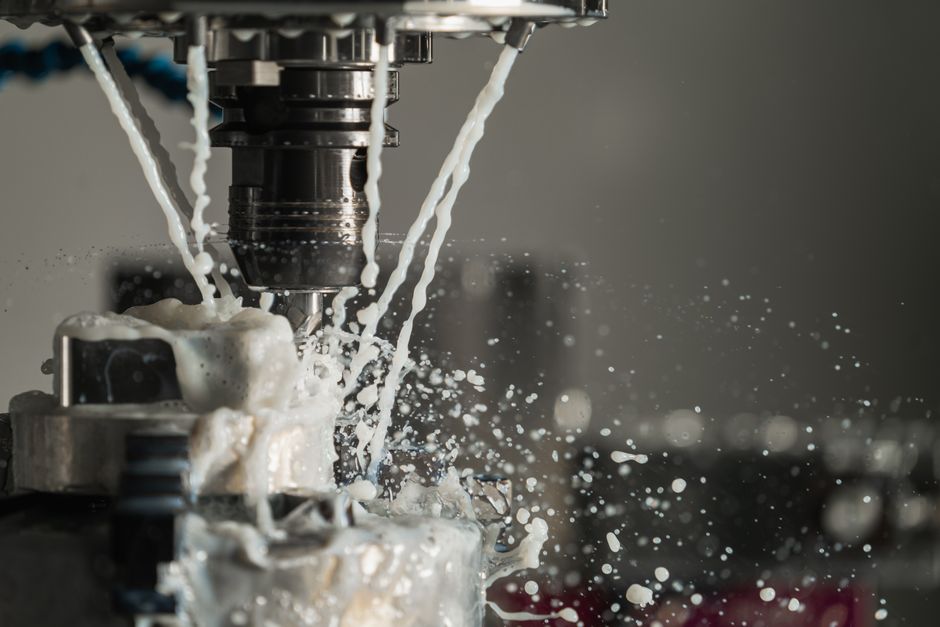
CNC machining services have revolutionized the manufacturing industry, providing unparalleled precision and efficiency. As businesses continue to seek ways to optimize production processes, understanding the benefits and applications of CNC machining is more crucial than ever. This article delves into the world of CNC machining, exploring its advantages, applications across various industries, and future trends that are shaping the landscape of manufacturing.
What is CNC Machining?
CNC, or Computer Numerical Control, machining is a manufacturing process that utilizes computer software to control machine tools. This technology allows for the automated production of complex parts with high precision. Traditional machining methods often rely on manual operation, which can introduce human error. In contrast, CNC machining minimizes this risk by using programmed instructions to dictate the movements of the tools.
One of the key advantages of CNC machining is its ability to produce intricate designs that would be nearly impossible to achieve through manual methods. The process is highly versatile, capable of working with a wide range of materials, including metals, plastics, and composites. As a result, industries such as aerospace, automotive, and medical devices increasingly rely on CNC machining services to meet their production needs.
The Advantages of CNC Machining Services
There are several compelling reasons why businesses are turning to CNC machining services. Firstly, the precision offered by CNC machines is unmatched. Parts can be produced to tolerances as tight as 0.001 inches, which is essential for industries where accuracy is critical, such as aerospace and defense.
Additionally, CNC machining services can significantly reduce production times. Automated processes allow for faster production rates, enabling companies to meet tight deadlines without sacrificing quality. For instance, a study showed that CNC machining can reduce manufacturing time by up to 50% compared to traditional methods.
Cost-effectiveness is another advantage. While the initial investment in CNC technology can be high, the long-term savings from reduced labor costs and decreased material waste make it a financially viable option. Furthermore, CNC machining services allow for the production of complex parts without the need for multiple setups, which can further save on costs.
Applications Across Industries
CNC machining services are used in a plethora of industries, showcasing their versatility. In the aerospace sector, for instance, precision components for aircraft engines and fuselage parts are often produced using CNC technology. The ability to create lightweight yet durable parts is crucial for enhancing fuel efficiency and overall performance.
The automotive industry also benefits significantly from CNC machining. From engine components to interior trim, the ability to mass-produce parts with high precision allows manufacturers to keep up with consumer demand while maintaining quality standards. Notably, companies like Tesla have integrated CNC machining into their production lines to streamline manufacturing processes.
Moreover, the medical device industry relies heavily on CNC machining services to produce surgical instruments, implants, and prosthetics. These components require not only precision but also compliance with strict regulatory standards, which CNC machining can effectively address.
Future Trends in CNC Machining
The future of CNC machining services is bright, driven by advancements in technology. One significant trend is the integration of Artificial Intelligence (AI) and Machine Learning (ML) into CNC systems. These technologies can enhance predictive maintenance, reduce downtime, and optimize machining processes based on real-time data analysis.
Additionally, the rise of additive manufacturing, or 3D printing, is influencing CNC machining. While traditionally seen as separate processes, the integration of both technologies can lead to new opportunities for manufacturers. For example, hybrid machines that combine CNC machining with additive capabilities are being developed, allowing for even greater design flexibility.
Lastly, sustainability is becoming a key focus in the manufacturing sector. CNC machining services are increasingly adopting eco-friendly practices, such as minimizing material waste and utilizing recyclable materials, to meet both regulatory requirements and consumer expectations.
Choosing the Right CNC Machining Service
When selecting a CNC machining service, businesses should consider several factors. Quality and precision are paramount, so it’s essential to evaluate the service provider’s capabilities and technology. Additionally, reviewing past projects and client testimonials can provide insight into their expertise.
Another critical aspect is the range of materials they can work with. A versatile CNC machining service will offer the ability to handle various materials, ensuring that your specific needs are met. Furthermore, consider the service provider’s lead times and pricing structures to ensure they align with your project requirements.
For those looking to optimize their production processes, finding a reliable CNC machining service is crucial. A quality partner can not only provide the necessary technical expertise but also contribute to your overall efficiency and competitiveness in the market.
Conclusion
CNC machining services are a cornerstone of modern manufacturing, offering precision, efficiency, and versatility across various industries. As technology continues to evolve, the potential applications of CNC machining are limitless. By understanding the advantages and trends within this field, businesses can make informed decisions that enhance their production capabilities and drive success in an increasingly competitive landscape.