










The Essential Guide to Metal Fabrication Shops
 June 22, 2026
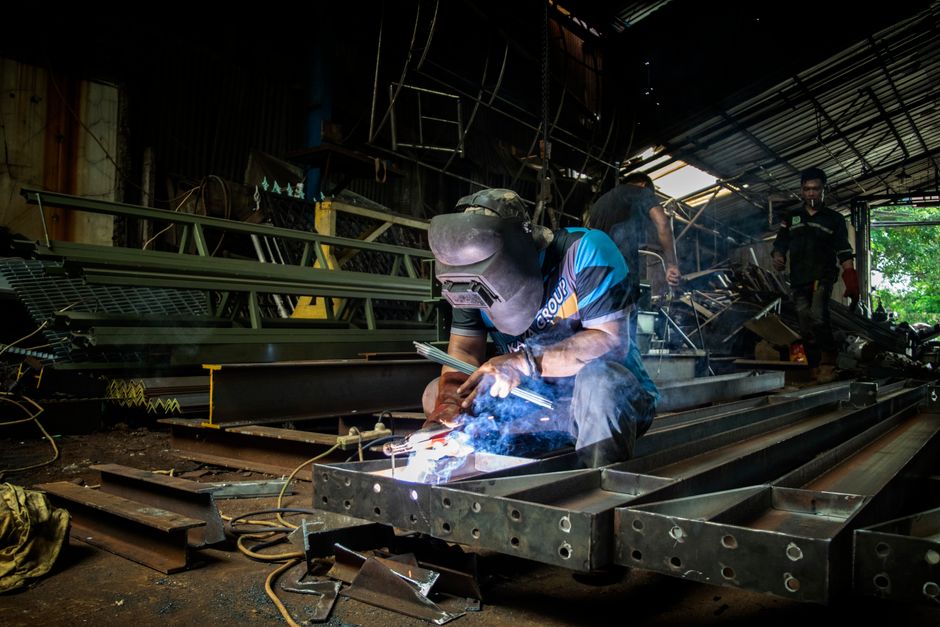
In the world of manufacturing, metal fabrication shops play a crucial role in converting raw metal into finished products. These facilities specialize in various processes, including cutting, bending, and assembling metal parts to create everything from architectural structures to intricate machinery. Understanding the operations, technologies, and services offered by metal fabrication shops can help businesses make informed choices when seeking metalworking solutions.
Understanding Metal Fabrication
Metal fabrication is the process of building metal structures by cutting, bending, and assembling. It is a vital component of many industries, including construction, automotive, and aerospace. The fabrication process can involve several techniques such as welding, machining, and forming. Each of these methods has its own set of tools and machines designed to achieve specific results.
For example, welding is the process of joining two or more pieces of metal together using heat and pressure. This technique is essential for creating strong and durable structures. On the other hand, machining involves removing material from a solid block of metal to achieve precise dimensions and surface finishes.
According to the Fabricators & Manufacturers Association, the metal fabrication industry is projected to grow significantly over the next few years, driven by advancements in technology and increasing demand for customized products. As businesses seek to improve efficiency and reduce costs, many are turning to specialized metal fabrication shops to meet their manufacturing needs.
Key Services Offered by Metal Fabrication Shops
Metal fabrication shops offer a wide range of services tailored to meet the needs of various industries. Some of the most common services include:
- Laser Cutting: This technology uses a high-powered laser to cut through metal with precision. It is ideal for creating intricate designs and shapes.
- Bending and Forming: Metal can be bent or formed into various shapes using press brakes or rolling machines. This process is essential for creating components such as brackets and frames.
- Welding: As mentioned earlier, welding is a critical service offered by metal fabrication shops. Various welding techniques, including MIG, TIG, and arc welding, can be employed depending on the materials and applications.
These services allow businesses to obtain customized metal parts that meet their specific requirements, ultimately leading to improved product quality and performance.
The Importance of Quality Control
Quality control is a fundamental aspect of any metal fabrication shop. Ensuring that products meet stringent quality standards is essential for maintaining customer satisfaction and compliance with industry regulations. Many fabrication shops implement rigorous quality control measures throughout the manufacturing process.
For instance, inspections may be conducted at various stages of production to identify any defects or inconsistencies. Additionally, advanced technologies such as computer numerical control (CNC) machines can enhance precision and reduce the likelihood of errors.
According to a survey conducted by the American Society for Quality, companies that prioritize quality control tend to experience fewer product defects and higher customer satisfaction ratings. This highlights the significance of investing in quality assurance practices within metal fabrication shops.
Choosing the Right Metal Fabrication Shop
When selecting a metal fabrication shop, businesses should consider several factors to ensure they make the best choice. These include:
- Experience and Expertise: Look for a shop with a proven track record and experienced professionals in metal fabrication.
- Capabilities: Ensure the shop has the necessary equipment and technology to handle your specific fabrication needs, whether it be large-scale production or custom projects.
- Customer Reviews: Research customer feedback and testimonials to gauge the quality of service and products offered by the shop.
By taking these factors into account, businesses can partner with a competent metal fabrication shop that can deliver high-quality products efficiently.
Future Trends in Metal Fabrication
The metal fabrication industry is continually evolving, with new technologies and trends shaping its future. Some notable trends include:
- Automation and Robotics: The integration of robotics in fabrication processes is increasing efficiency and precision while reducing labor costs.
- 3D Printing: Additive manufacturing is becoming more prevalent, allowing for the creation of complex geometries that were previously impossible with traditional methods.
- Sustainability: As environmental concerns grow, many fabrication shops are adopting sustainable practices to minimize waste and energy consumption.
These trends are expected to drive innovation and improve productivity within the metal fabrication sector, making it an exciting time for businesses involved in this industry.
Conclusion
Metal fabrication shops are essential contributors to the manufacturing landscape, providing critical services that enhance the production of metal products. Understanding the various processes, services, and quality control measures within these shops can help businesses make informed decisions when seeking metal solutions. As the industry continues to evolve, staying updated on trends and technologies will empower companies to leverage the full potential of metal fabrication. For those looking to find a reliable metal fabrication shop, thorough research and evaluation of capabilities are crucial to ensuring successful partnerships and high-quality outcomes.