








Revolutionizing Agriculture: The Rise of Vertical Farming Technology
 June 18, 2026
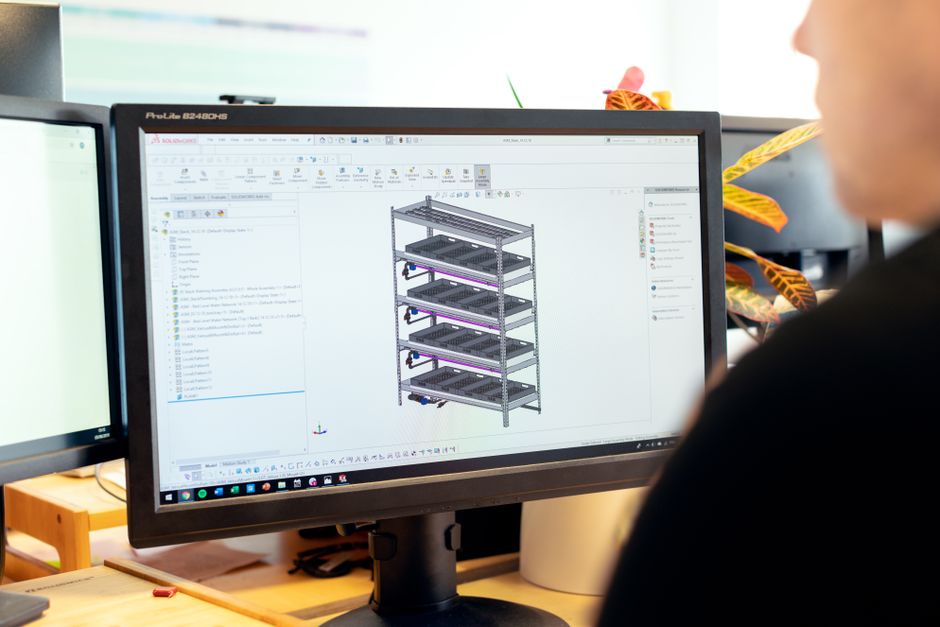
In recent years, the agricultural industry has undergone significant transformations, largely driven by advancements in technology. Among these innovations, vertical farming technology has emerged as a groundbreaking solution to address the challenges of traditional farming methods. With the increasing global population and the need for sustainable food production, vertical farming presents a viable alternative that maximizes space and minimizes resource consumption.
What is Vertical Farming?
Vertical farming is the practice of growing crops in vertically stacked layers, often integrated into controlled environments such as buildings or shipping containers. This method allows for year-round production, regardless of external weather conditions. By utilizing hydroponics, aeroponics, or aquaponics, vertical farms can produce a wide variety of crops with significantly less land and water than traditional farming.
The concept of vertical farming is not entirely new; however, recent technological advancements have made it more feasible and scalable. For instance, the integration of LED grow lights, climate control systems, and automated nutrient delivery systems has streamlined the growing process, making it more efficient and productive.
Benefits of Vertical Farming
One of the primary advantages of vertical farming is its ability to produce food in urban areas, reducing the need for transportation and thereby lowering carbon emissions. According to a study by the National Academy of Sciences, vertical farms can use up to 90% less water compared to traditional farming, making them a more sustainable option in regions facing water scarcity.
Moreover, vertical farming can lead to higher crop yields. Research indicates that crops grown in controlled environments can yield up to 10 times more produce per square foot than those grown in soil. This increased productivity can significantly contribute to food security in densely populated cities.
Challenges Facing Vertical Farming
Despite its many benefits, vertical farming technology is not without its challenges. The initial setup costs can be prohibitively high, particularly for larger operations. Additionally, the reliance on technology means that any failure in the system can lead to crop loss.
Another challenge is the limited variety of crops that can be grown in vertical farms. While leafy greens and herbs thrive in these environments, staple crops such as grains and tubers are more challenging to cultivate. This limitation necessitates a focus on specific crops, which may not meet the diverse dietary needs of consumers.
The Future of Vertical Farming
Looking ahead, the future of vertical farming technology appears promising. As technology continues to advance, we can expect improvements in efficiency and reductions in costs. Innovations such as artificial intelligence and machine learning are being integrated into vertical farming systems to optimize growth conditions and resource utilization.
Moreover, the growing interest in sustainable practices is likely to drive increased investment in vertical farming startups. This influx of funding can lead to further research and development, ultimately expanding the range of crops that can be successfully grown in vertical farms.
Conclusion
Vertical farming technology represents a revolutionary shift in the way we approach food production. By utilizing urban spaces and minimizing resource consumption, it offers a sustainable solution to the challenges posed by conventional agriculture. As we continue to face global population growth and environmental concerns, vertical farming may play a crucial role in creating a more resilient and sustainable food system. For those interested in learning more about this innovative approach, resources on vertical farming technology are readily available.