










Mastering the Skies: A Comprehensive Guide to Drone Pilot Certification
 June 23, 2026
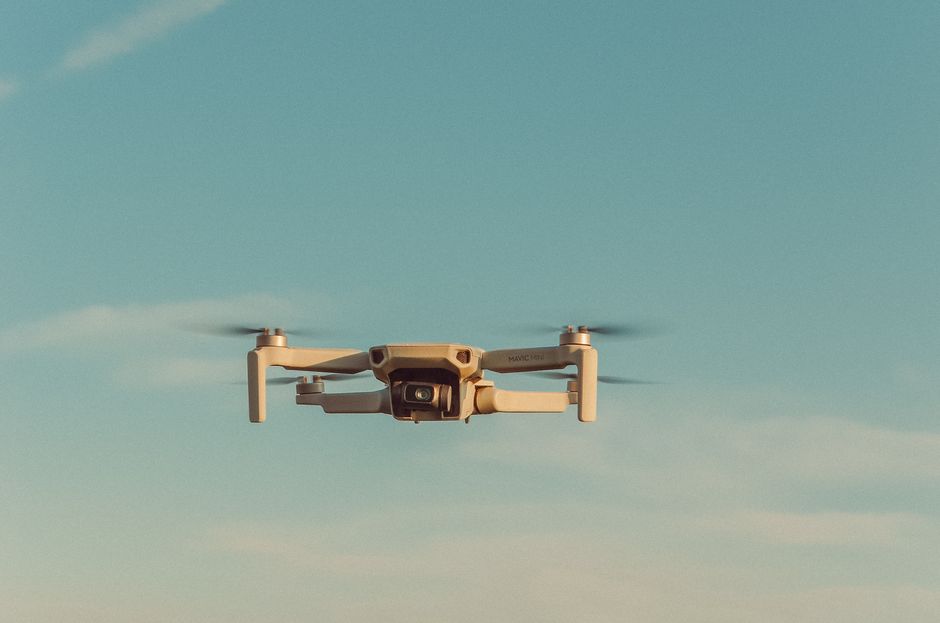
The rise of drone technology has transformed various industries, from agriculture to filmmaking. As more individuals seek to enter this exciting field, understanding the requirements and process for obtaining a drone pilot certification becomes essential. This guide delves into the intricacies of drone pilot certification, highlighting its importance, the steps involved, and the benefits it brings to aspiring pilots.
Understanding Drone Pilot Certification
Drone pilot certification refers to the official recognition that a pilot has met the necessary standards to operate unmanned aerial vehicles (UAVs) legally and safely. This certification is crucial not only for compliance with aviation regulations but also for ensuring public safety. In many countries, including the United States and Australia, drone pilots are required to obtain a certification to fly commercially. This ensures that operators understand the rules of the airspace and can conduct operations safely and responsibly.
For instance, in the United States, the Federal Aviation Administration (FAA) requires drone pilots who wish to operate for commercial purposes to obtain a Remote Pilot Certificate. This involves passing a written exam that tests knowledge of aviation regulations, airspace classification, weather, and emergency procedures. Similarly, in Australia, the Civil Aviation Safety Authority (CASA) mandates pilots to acquire a drone pilot certification to ensure they are equipped with the necessary skills and knowledge.
The Certification Process
The process of obtaining a drone pilot certification typically involves several key steps. Firstly, aspiring pilots must familiarize themselves with the relevant regulations and requirements set by their local aviation authority. This often includes studying materials provided by the authority or enrolling in a training program specifically designed for drone operators.
Next, candidates must complete a written exam that assesses their understanding of various topics related to drone operation. This can include airspace regulations, weather phenomena, and safe flying practices. In many regions, passing this exam is a prerequisite for obtaining the certification.
Once the exam is passed, pilots may also need to demonstrate practical flying skills. This is usually done through a flight assessment conducted by a certified instructor or examiner. Successful completion of this flight test, along with the written exam, will lead to the issuance of the drone pilot certification, allowing the individual to operate drones legally.
Benefits of Obtaining Certification
Obtaining a drone pilot certification offers numerous benefits to individuals looking to operate drones, especially in commercial settings. Firstly, it enhances credibility. A certified pilot is often seen as more professional and trustworthy by clients and employers, which can lead to more job opportunities and higher earning potential.
Moreover, certification often provides access to a broader range of job opportunities across various industries. For example, industries such as real estate, agriculture, and film production are increasingly utilizing drones for tasks such as aerial photography, crop monitoring, and surveying. A certified drone pilot can tap into these lucrative markets more effectively.
Additionally, having a drone pilot certification can also lead to improved safety. Certified pilots are trained to understand the risks associated with drone operations and how to mitigate them effectively. This not only protects the pilot but also ensures the safety of the public and property.
Challenges and Considerations
While obtaining a drone pilot certification is beneficial, it is not without its challenges. The certification process can be time-consuming and may require a financial investment in training resources and examination fees. Additionally, regulations can vary significantly between different countries, which can complicate the certification process for those looking to operate internationally.
Furthermore, staying current with regulations and ongoing education is essential for certified pilots. As technology evolves and new regulations are implemented, pilots must make an effort to keep their knowledge up to date to maintain their certification and operate safely.
Conclusion
In conclusion, obtaining a drone pilot certification is a critical step for anyone looking to operate drones, especially in commercial capacities. It ensures compliance with aviation regulations, enhances credibility, and opens up a wide array of job opportunities. While the process may present challenges, the benefits far outweigh the difficulties. Aspiring drone pilots should invest the time and resources necessary to become certified, as it not only enhances their skills but also contributes to the overall safety and professionalism in the rapidly evolving world of drone technology.