










Understanding Crop Insurance: A Vital Tool for Farmers
 June 18, 2026
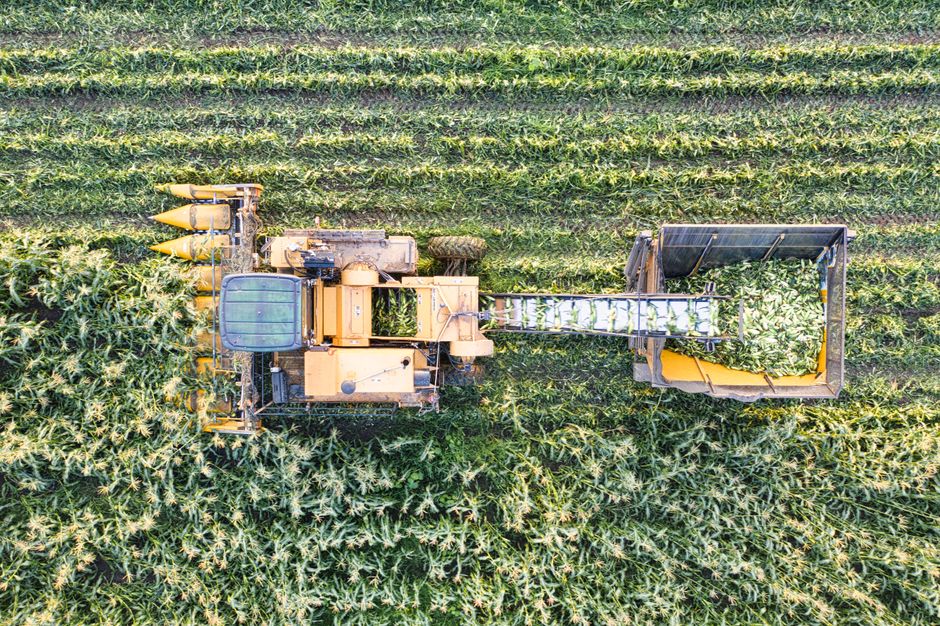
In an era where climate change and unpredictable weather patterns threaten agricultural stability, crop insurance has emerged as a crucial safety net for farmers. This financial product not only mitigates risks associated with crop failures but also helps ensure food security. As agricultural practices evolve and the demand for sustainable farming increases, understanding the nuances of crop insurance is more important than ever.
The Importance of Crop Insurance
Crop insurance serves as a protective measure for farmers, providing coverage against losses resulting from natural disasters, pests, diseases, and price fluctuations. According to the U.S. Department of Agriculture (USDA), nearly 90% of U.S. farmers utilize some form of crop insurance, highlighting its significance in modern agriculture. This insurance allows farmers to recover financially from unexpected events, ensuring their livelihoods and the sustainability of food production.
Moreover, crop insurance promotes agricultural investment by reducing the risk associated with farming. Investors are more likely to fund agricultural projects when they know there is a safety net in place. This can lead to better farming practices, technological advancements, and ultimately, increased productivity.
Types of Crop Insurance
There are primarily two types of crop insurance: Actual Production History (APH) insurance and Revenue Protection (RP) insurance. APH insurance provides coverage based on the historical yield of a farmer’s crop, while RP insurance covers losses based on both yield and price fluctuations. Each type has its own merits and can be chosen based on the specific needs of the farmer.
For instance, a farmer who has consistently high yields might prefer APH coverage, as it can offer lower premiums. In contrast, a farmer operating in a volatile market may opt for RP insurance to safeguard against price drops. Understanding these options allows farmers to tailor their insurance plans to their unique circumstances.
How to Choose the Right Crop Insurance
Choosing the right crop insurance involves assessing various factors, including crop type, geographic location, and individual risk tolerance. Farmers should begin by evaluating their specific needs and potential risks. Consulting with insurance agents or agricultural extension services can provide valuable insights into the best options available.
Additionally, farmers should consider their budget when selecting a policy. Premium costs can vary significantly based on coverage levels and the specific risks associated with their crops. Finding a balance between adequate coverage and affordable premiums is crucial for effective risk management.
Government Support and Subsidies
In many countries, including the United States, the government plays a pivotal role in supporting crop insurance programs. Subsidies are often provided to help farmers afford premiums, making insurance more accessible. According to the USDA, the government subsidizes approximately 60% of crop insurance premiums for participating farmers.
This support not only encourages farmers to purchase insurance but also stabilizes the agricultural sector as a whole. By reducing the financial burden on farmers, government-backed crop insurance programs promote resilience and sustainability within the farming community.
The Future of Crop Insurance
As climate change continues to impact agricultural practices, the future of crop insurance is likely to evolve. Innovations in technology, such as satellite imagery and data analytics, are being integrated into crop insurance models to improve risk assessment and claims processing. This advancement can lead to more accurate coverage and faster payouts, benefiting farmers when they need it most.
Furthermore, as the demand for sustainable farming practices grows, crop insurance products may adapt to include coverage for environmentally friendly practices. This could incentivize farmers to adopt sustainable methods, aligning agricultural practices with global sustainability goals.
Conclusion
In conclusion, crop insurance is an essential component of modern agriculture, providing farmers with the protection they need to navigate the uncertainties of farming. By understanding the various types of insurance, how to choose the right policy, and the role of government support, farmers can make informed decisions that enhance their resilience. As the agricultural landscape continues to change, staying informed about crop insurance will be vital for ensuring food security and the sustainability of farming practices.
For more information on crop insurance, you can visit crop insurance resources that provide deeper insights and guidance.