









The Essential Guide to Restaurant POS Systems
 June 17, 2026
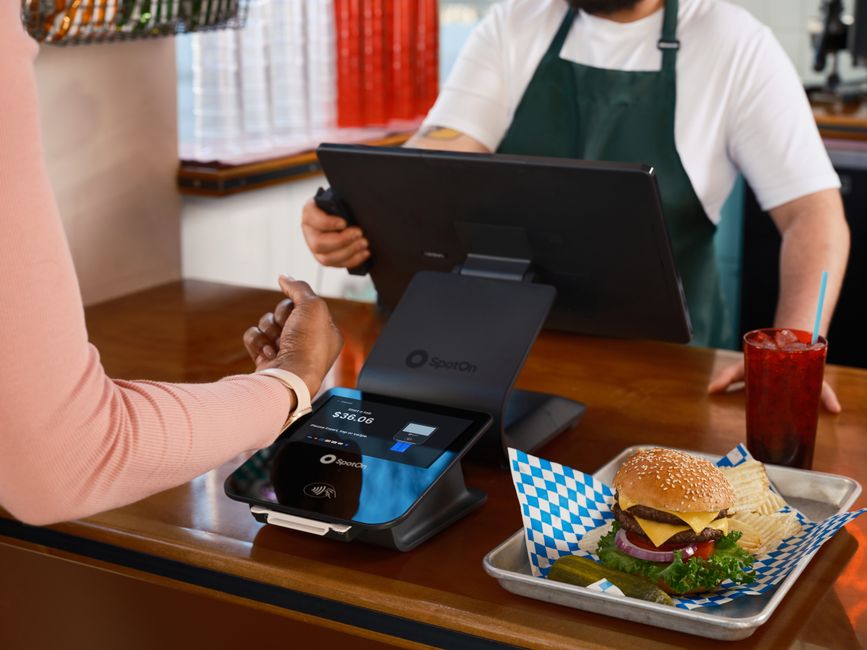
In the fast-paced world of the restaurant industry, efficiency and accuracy are paramount. One of the key tools that can significantly enhance operations is a restaurant POS (Point of Sale) system. These systems have evolved from simple cash registers to comprehensive management tools that handle everything from inventory to customer relationships. In this article, we will explore the various aspects of restaurant POS systems, their benefits, and how they can transform the dining experience for both staff and customers.
Understanding the Basics of Restaurant POS Systems
A restaurant POS system is a combination of hardware and software that allows restaurants to process customer orders and payments. Modern POS systems are equipped with features that streamline operations, such as inventory management, employee scheduling, and sales reporting. The shift from traditional systems to cloud-based solutions has made it easier for restaurateurs to access real-time data and manage their businesses remotely.
One of the most significant advantages of implementing a restaurant POS system is the ability to track sales and inventory in real-time. According to a report by the National Restaurant Association, 70% of restaurant operators believe that having the right technology helps improve their overall efficiency. With accurate tracking, businesses can make informed decisions regarding menu pricing and ingredient sourcing.
Key Features of Restaurant POS Systems
When selecting a restaurant POS system, several features should be considered to ensure it meets the specific needs of the establishment. Key functionalities include:
- Order Management: The ability to take and manage customer orders efficiently is crucial. A good POS system allows servers to input orders directly into the system, reducing errors and improving service speed.
- Payment Processing: A robust POS system facilitates various payment methods, including credit cards, mobile payments, and gift cards, enhancing customer convenience.
- Inventory Tracking: Monitoring inventory levels in real-time helps prevent stockouts and reduces waste. Many POS systems send alerts when stock is low, allowing for timely restocking.
- Customer Relationship Management: Some POS systems offer CRM features that enable restaurants to track customer preferences and purchase history, which can help in creating personalized marketing campaigns.
Benefits of Using a Restaurant POS System
The implementation of a restaurant POS system can lead to numerous benefits, including:
- Increased Efficiency: By automating various processes, staff can focus more on customer service, leading to a better dining experience.
- Improved Accuracy: With the ability to input orders directly into the system, the chance of human error decreases significantly.
- Data-Driven Decisions: Access to detailed sales reports and analytics enables restaurant owners to make informed decisions that can lead to increased profitability.
- Enhanced Customer Experience: Faster service and personalized interactions contribute to higher customer satisfaction and loyalty.
Choosing the Right Restaurant POS System
When it comes to selecting a POS system, it’s crucial to consider factors such as the size of the restaurant, budget, and specific operational needs. Many providers offer customizable solutions that can be tailored to fit different types of dining establishments, from quick-service restaurants to fine dining.
For example, a small café may only require basic features like order management and payment processing, while a larger restaurant may benefit from advanced analytics and inventory management. The scalability of the system is also important; as the business grows, the POS system should be able to accommodate increasing demands.
It’s advisable to read reviews and seek recommendations from other restaurant owners to find a reliable provider. Many companies also offer trial periods, allowing restaurants to test the system before making a commitment.
Future Trends in Restaurant POS Systems
As technology continues to evolve, so too will restaurant POS systems. Trends such as artificial intelligence, mobile ordering, and integration with online delivery platforms are becoming increasingly common. These innovations will further enhance the capabilities of POS systems, allowing restaurants to adapt to changing consumer behaviors and preferences.
For instance, AI-driven analytics can provide insights into customer behavior, helping restaurants optimize their menus and marketing strategies. Additionally, as more diners prefer the convenience of online ordering, integrating POS systems with delivery platforms will be essential for staying competitive.
In conclusion, the implementation of a restaurant POS system is a strategic investment that can streamline operations, improve customer satisfaction, and enhance profitability. By understanding the features and benefits, restaurant owners can make informed decisions that align with their business goals.