










Understanding Access Control Systems: Safeguarding Your Environment
 June 24, 2026
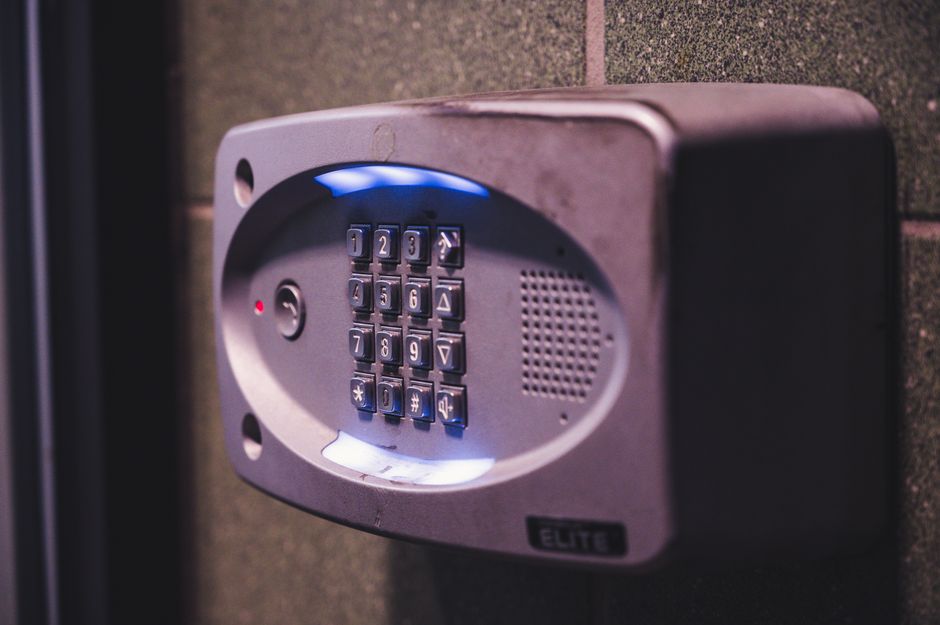
In an increasingly digital world, the importance of securing physical and digital spaces cannot be overstated. Access control systems play a crucial role in managing who can enter specific areas and what resources they can access. From small businesses to large corporations, these systems help safeguard sensitive information and ensure the safety of personnel. This article delves into the various types of access control systems, their components, and their significance in modern security management.
What is an Access Control System?
An access control system is a security measure that regulates who can enter or exit a facility or access specific resources. It employs various technologies, including biometric scanners, key cards, and PIN codes, to authenticate users. The primary goal is to prevent unauthorized access while allowing legitimate users to enter easily. By establishing a controlled entry system, organizations can significantly reduce the risk of theft, vandalism, and other security breaches.
These systems can be categorized into two main types: physical access control systems, which manage entry to buildings or secure areas, and logical access control systems, which govern access to digital resources like databases and networks. Each type has its unique features and applications, tailored to meet the specific needs of an organization.
Components of Access Control Systems
Access control systems consist of several key components that work together to provide a robust security solution. The primary components include:
- Authentication Mechanisms: These are the methods used to verify a user’s identity. Common authentication methods include passwords, key cards, biometric data (such as fingerprints or facial recognition), and mobile devices.
- Access Control Hardware: This includes physical devices like card readers, door locks, and electronic gates. These devices are essential for implementing the access control policies defined by the organization.
- Access Control Software: This software manages the entire access control system, allowing administrators to set permissions, monitor access logs, and generate reports. It plays a vital role in maintaining the security of the system.
- Integration with Other Security Systems: Many access control systems can be integrated with other security measures, such as surveillance cameras and alarm systems, to provide a comprehensive security solution.
Types of Access Control Systems
There are several types of access control systems, each suited to different environments and security needs. Some of the most common types include:
- Discretionary Access Control (DAC): In DAC systems, the owner of a resource has the authority to grant or deny access to others. This model is flexible but can be challenging to manage in larger organizations.
- Mandatory Access Control (MAC): MAC systems enforce strict access controls based on predetermined policies set by administrators. Users have limited ability to change access permissions, making this model suitable for environments requiring high security.
- Role-Based Access Control (RBAC): RBAC systems assign access permissions based on a user’s role within an organization. This approach simplifies management by grouping users based on their job functions, ensuring that individuals have access only to the information necessary for their roles.
- Attribute-Based Access Control (ABAC): ABAC systems use a combination of user attributes, resource attributes, and environmental conditions to determine access permissions. This model offers a high level of granularity and flexibility.
The Benefits of Implementing Access Control Systems
Investing in an access control system brings numerous advantages to organizations, including:
- Enhanced Security: By controlling who can access specific areas and resources, organizations can significantly reduce the risk of unauthorized access, theft, and data breaches.
- Improved Monitoring: Access control systems provide detailed logs of who accessed what and when, allowing organizations to monitor activities and investigate security incidents effectively.
- Increased Operational Efficiency: Automating access control processes reduces the administrative burden associated with managing keys and access permissions, allowing staff to focus on more critical tasks.
- Compliance with Regulations: Many industries have strict regulatory requirements regarding data and physical security. Implementing an access control system can help organizations comply with these regulations.
For instance, the healthcare industry requires stringent access controls to protect patient information. An effective access control system can help healthcare facilities maintain compliance with regulations like HIPAA while ensuring that only authorized personnel can access sensitive data.
Future Trends in Access Control Systems
The landscape of access control systems is continually evolving, driven by advancements in technology and changing security needs. Some anticipated trends include:
- Increased Use of Biometrics: As biometric technology becomes more sophisticated, its integration into access control systems is expected to rise, offering enhanced security through unique user identifiers.
- Cloud-Based Access Control: Cloud solutions provide flexibility and scalability, enabling organizations to manage access control remotely and reduce the need for on-site hardware.
- Integration with IoT Devices: As the Internet of Things (IoT) continues to expand, access control systems will increasingly integrate with smart devices, allowing for more automated and intelligent security solutions.
Conclusion
Access control systems are essential for safeguarding both physical and digital environments in today’s security landscape. By understanding the various types, components, and benefits of these systems, organizations can make informed decisions about their security strategies. With the continuous evolution of technology, staying abreast of the latest trends and innovations will ensure that access control systems remain effective and relevant in protecting valuable assets.