










The Ultimate Guide to Horse Riding Lessons
 June 23, 2026
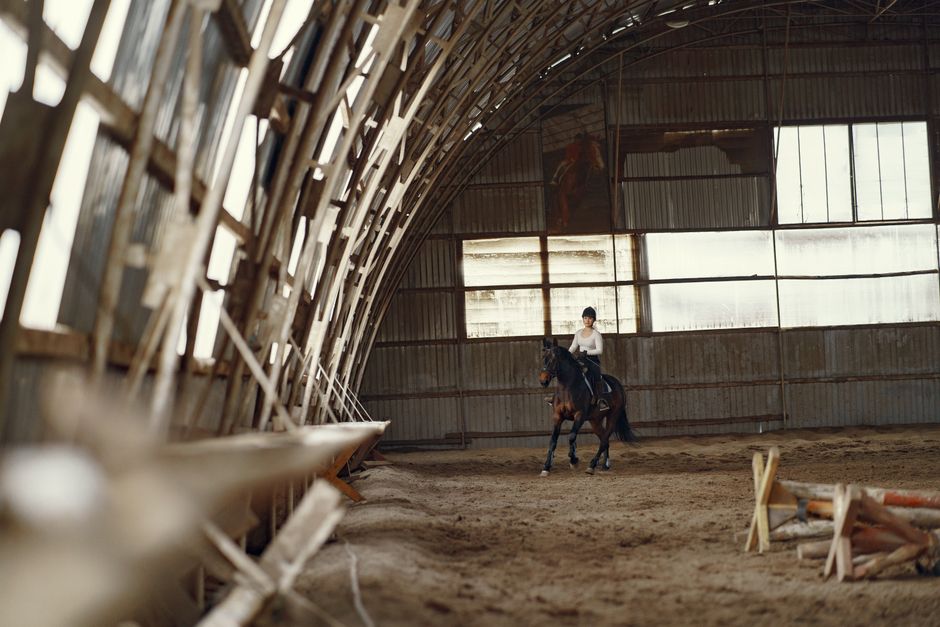
Horse riding is more than just a hobby; it’s a passion that can bring joy and fulfillment to those who engage in it. From the thrill of galloping across an open field to the serene experience of a quiet trot through the countryside, horse riding lessons offer a unique opportunity to connect with these magnificent animals. Whether you are a complete beginner or looking to refine your skills, understanding the essentials of horse riding lessons is crucial for a rewarding experience.
Understanding the Basics of Horse Riding
Before diving into horse riding lessons, it’s important to grasp the basic concepts of riding. This includes understanding horse behavior, the anatomy of the horse, and the equipment required for riding. Beginners should familiarize themselves with key terms such as saddle, bridle, and stirrups. Knowing how to approach and handle a horse safely is essential, as it builds trust between the rider and the horse.
Additionally, lessons often begin with groundwork, which helps riders learn how to communicate with horses. This foundational skill is vital for developing a harmonious partnership with the horse. Groundwork can include activities like leading, grooming, and understanding body language, which all contribute to a rider’s confidence both on and off the horse.
Choosing the Right Riding School
When it comes to selecting a riding school, there are several factors to consider. Look for schools that are accredited and have certified instructors. This ensures that you receive quality instruction and are taught safe riding practices. Reading reviews and testimonials from former students can provide valuable insights into the school’s reputation.
Another aspect to consider is the type of riding you wish to pursue. Different schools may specialize in various disciplines such as dressage, jumping, or western riding. Identifying your interests early on can help you select a riding school that aligns with your goals. It’s also beneficial to visit the facility in person to observe the horses and instructors in action before making your decision.
The Importance of Safety Gear
Safety should always be the top priority when engaging in horse riding. Wearing the proper safety gear is crucial to minimizing risks during lessons. A certified riding helmet is essential as it protects the rider’s head in the event of a fall. Additionally, wearing appropriate footwear—such as riding boots with a heel—helps prevent the foot from slipping through the stirrup.
Other safety gear may include gloves and padded vests, especially for beginners who are still mastering their balance and control. Ensuring that all gear fits properly and is in good condition can significantly enhance safety during your riding lessons.
Setting Realistic Goals
Setting realistic goals is a key component of any horse riding journey. As a beginner, it’s important to start with achievable objectives. These could range from mastering the basics of riding to learning how to trot confidently. Discussing your goals with your instructor can help tailor your lessons to meet your needs.
As you progress, you may wish to challenge yourself further by trying new techniques or entering competitions. Keeping track of your progress and celebrating milestones, no matter how small, can keep you motivated and engaged in your learning process.
Embracing the Community
Horse riding is not just an individual sport; it is also a community-driven activity. Engaging with fellow riders, attending workshops, and participating in local events can enhance your riding experience. Connecting with others who share the same passion can lead to lasting friendships and a supportive environment.
Many riding schools also organize social events, competitions, and clinics, which can provide opportunities for riders to learn from each other and improve their skills together. Joining online forums or local riding clubs can further expand your network and provide resources for ongoing learning.
For those interested in enhancing their skills further, consider taking specialized lessons or workshops that focus on advanced techniques or specific disciplines, such as jumping or dressage. These experiences can deepen your understanding and appreciation of the sport.
Conclusion
Horse riding lessons offer an enriching experience that combines physical activity with a deep connection to animals. By understanding the basics, choosing the right riding school, prioritizing safety, setting realistic goals, and embracing the community, you can embark on a fulfilling equestrian journey. For those looking to take their skills to the next level, exploring options for horse riding lessons can be a fantastic next step. Remember, the journey of learning to ride is as important as the destination, so enjoy every moment in the saddle!