










The Rise of Industrial Automation Suppliers in Modern Manufacturing
 June 22, 2026
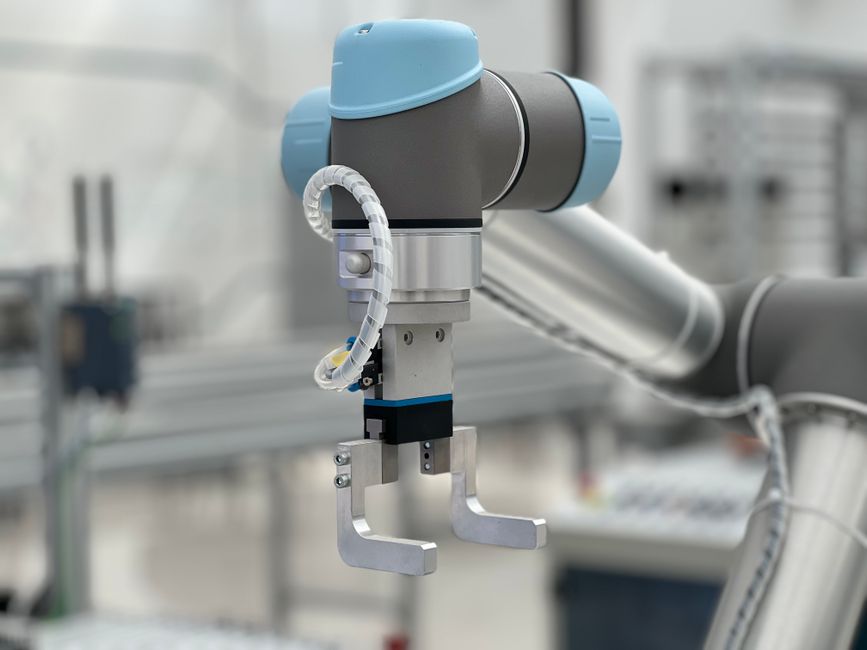
In recent years, industrial automation has emerged as a transformative force in manufacturing and production processes. As companies strive for increased efficiency, reduced costs, and improved quality, the role of industrial automation suppliers has become paramount. These suppliers provide essential technologies and services that enable businesses to automate their operations, leading to significant gains in productivity and competitiveness.
Understanding Industrial Automation
Industrial automation refers to the use of control systems such as computers or robots for handling different processes and machinery in an industry to replace human intervention. It encompasses a wide range of technologies, including industrial control systems, robotics, and machine learning. The main goal of industrial automation is to enhance productivity while minimizing human error and operational costs.
For instance, in the automotive industry, automation plays a crucial role in manufacturing processes. Robotic arms are used for tasks such as welding, painting, and assembly, allowing for faster production times and consistent quality. The global market for industrial automation is projected to reach $300 billion by 2026, highlighting its growing significance in various sectors.
The Role of Industrial Automation Suppliers
Industrial automation suppliers provide the necessary tools and technologies that facilitate automation. They offer a range of products, including sensors, actuators, and programmable logic controllers (PLCs), as well as software solutions for system integration and monitoring. These suppliers are vital in bridging the gap between technology and the end-user, ensuring that companies can implement automation solutions effectively.
A reputable industrial automation supplier not only provides high-quality products but also offers support and training for their clients. This is crucial as the successful implementation of automation systems often requires a significant learning curve for employees. Suppliers that invest in training help ensure that companies can fully leverage their automation technologies.
Benefits of Collaborating with Automation Suppliers
Partnering with a reliable industrial automation supplier can offer numerous advantages to businesses. First and foremost, these suppliers can help reduce operational costs through enhanced efficiency. By automating repetitive tasks, companies can allocate human resources to more strategic activities, leading to better overall performance.
Moreover, automation suppliers often keep pace with the latest technological advancements. This means that businesses can benefit from cutting-edge technologies without having to invest heavily in research and development. For example, suppliers may offer solutions that incorporate artificial intelligence (AI) and machine learning, providing companies with predictive analytics capabilities that can optimize production processes.
Challenges in Industrial Automation
While the benefits of industrial automation are clear, there are also challenges that businesses must navigate. One significant concern is the initial investment required for automation technologies. Many small to medium-sized enterprises (SMEs) may find it daunting to invest in automation solutions due to high upfront costs.
Additionally, the integration of new technologies into existing systems can pose difficulties. Companies often face challenges related to system compatibility and employee training. To mitigate these challenges, it is essential to work closely with a knowledgeable automation supplier who can provide tailored solutions and support throughout the integration process.
The Future of Industrial Automation
The future of industrial automation looks promising, with trends indicating an increased adoption of automation technologies across various sectors. As the workforce continues to evolve, automation will play a critical role in addressing labor shortages and enhancing productivity.
Furthermore, advancements in technology are expected to drive innovation within the automation sector. The rise of the Internet of Things (IoT) will enable more connected and intelligent manufacturing environments, allowing for real-time monitoring and data analysis. Companies that embrace these changes will be better positioned to compete in an increasingly globalized market.
Conclusion
As industrial automation continues to reshape the manufacturing landscape, the role of industrial automation suppliers will remain crucial. By providing the necessary tools, technologies, and support, these suppliers empower businesses to achieve greater efficiency and competitiveness. Embracing automation is not just a trend; it is a strategic move for companies looking to thrive in the future of manufacturing.