









The Ultimate Guide to Scaffolding Rental: What You Need to Know
 June 19, 2026
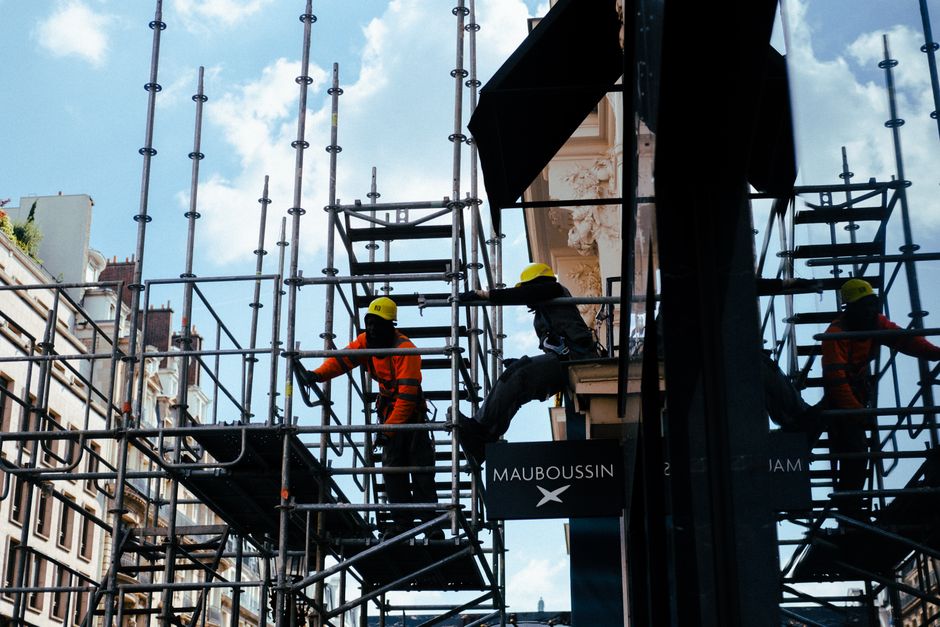
When embarking on a construction project, one of the most vital considerations is how to ensure safety and efficiency at height. Scaffolding plays a crucial role in this aspect, providing the necessary support for workers and materials. However, the decision to rent scaffolding can often be daunting for many contractors and project managers. This guide aims to clarify the essential elements of scaffolding rental, helping you make informed decisions for your construction needs.
Understanding Scaffolding: Types and Uses
Scaffolding comes in various forms, each designed for specific applications. The two most common types are frame scaffolding and modular scaffolding. Frame scaffolding is often used for general purposes, offering a simple and sturdy framework. On the other hand, modular scaffolding, which comprises prefabricated components, allows for greater flexibility and customization.
For instance, if you are working on a residential building, frame scaffolding might suit your needs due to its ease of assembly and dismantling. Conversely, if you are undertaking a more complex commercial project, modular scaffolding could provide the adaptability needed to navigate intricate architectural designs.
Benefits of Renting Scaffolding
One of the primary advantages of scaffolding rental is cost-effectiveness. Purchasing scaffolding equipment can be a significant financial burden, especially for smaller firms or one-off projects. By opting for scaffolding rental, you can significantly reduce your upfront costs and allocate resources more efficiently.
Moreover, renting scaffolding allows for flexibility in project management. As project timelines and scopes change, having the ability to adjust your scaffolding needs without the commitment of ownership can be invaluable. This flexibility can lead to increased productivity, as teams can focus on their core tasks instead of managing equipment logistics.
Key Considerations When Renting Scaffolding
Before entering into a rental agreement, there are several critical factors to consider. First, assess the specific requirements of your project, including the height and type of scaffolding needed. This assessment will help you communicate effectively with rental companies to find the best solutions.
Additionally, it’s essential to evaluate the reputation of the rental company. Look for providers that offer high-quality, well-maintained equipment and excellent customer service. Checking reviews and asking for recommendations from other contractors can provide insights into the reliability of the rental service.
Safety Standards and Regulations
Safety should always be a top priority when working with scaffolding. Familiarize yourself with the local regulations and safety standards governing scaffolding use. This knowledge will not only ensure compliance but also protect your workers from potential hazards.
Many rental companies provide safety training and guidelines with their scaffolding equipment. Taking advantage of these resources can enhance your team’s safety awareness and reduce the risks associated with working at heights.
Final Thoughts: Making the Right Choice
Renting scaffolding can be a smart decision for many construction projects, offering flexibility, safety, and cost savings. By understanding the types of scaffolding available, the benefits of rental, and the key considerations to keep in mind, you can make informed choices that enhance your project’s success.
As you navigate your scaffolding rental options, remember to prioritize safety and quality. The right scaffolding solution can make all the difference in your construction project, ensuring that it runs smoothly and efficiently from start to finish.