








Harnessing the Future: The Role of Energy Storage Systems
 June 18, 2026
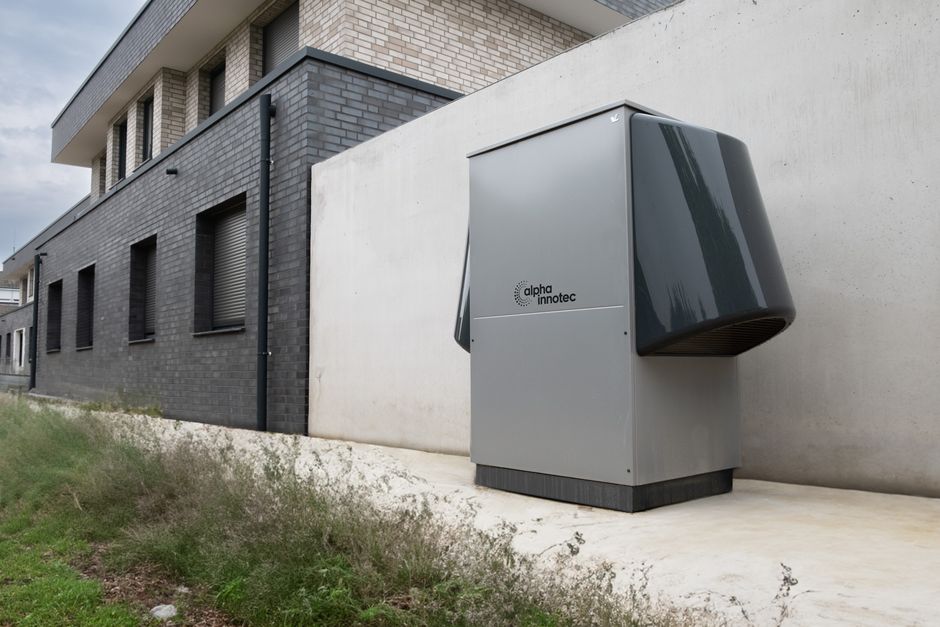
As the world shifts towards renewable energy, the demand for innovative solutions to store energy has never been more critical. Energy storage systems are at the forefront of this transition, enabling us to harness solar and wind power effectively. This article explores various types of energy storage systems, their benefits, challenges, and their role in the sustainable energy landscape.
Understanding Energy Storage Systems
Energy storage systems (ESS) are technologies that store energy for later use. They play a crucial role in stabilizing the energy grid, allowing for the integration of renewable energy sources. By storing excess energy generated during peak production periods, these systems ensure a steady supply when production is low. For instance, battery storage systems, pumped hydro storage, and compressed air energy storage are some leading technologies in this field.
Among these, battery storage is particularly notable. Lithium-ion batteries, for example, are widely used due to their high energy density and declining costs. According to a report by BloombergNEF, the cost of lithium-ion battery packs has dropped by approximately 89% since 2010, making them a more viable option for various applications.
The Benefits of Energy Storage Systems
One of the primary advantages of energy storage systems is their ability to enhance grid reliability. By providing backup power during outages or peak demand, they help prevent blackouts and reduce the need for additional power plants. Furthermore, they can facilitate the integration of intermittent renewable energy sources, thus promoting cleaner energy use.
Energy storage systems also contribute to economic savings. Utilities can defer investments in costly infrastructure by using these systems to manage demand and supply more efficiently. A study from the National Renewable Energy Laboratory (NREL) found that energy storage could save the U.S. grid $2.5 billion annually by optimizing the use of existing resources.
Challenges in Implementation
Despite their advantages, the deployment of energy storage systems is not without challenges. High upfront costs, regulatory hurdles, and technological limitations can hinder widespread adoption. For instance, while battery technology is advancing rapidly, recycling and disposal of used batteries remain significant environmental concerns.
Moreover, the energy storage market is still evolving, and there is a lack of standardized regulations governing installation and operation. This can lead to confusion among consumers and businesses looking to invest in energy storage solutions. Collaboration between governments, industry stakeholders, and research institutions is essential to address these challenges and create a more robust framework for energy storage systems.
Future Trends in Energy Storage
The future of energy storage systems looks promising, with several trends shaping their development. One significant trend is the rise of grid-scale storage systems, which allow utilities to store large amounts of energy for use across vast areas. These systems can provide resilience against extreme weather events and enhance overall grid stability.
Additionally, advancements in materials science are paving the way for next-generation battery technologies. Solid-state batteries, for example, offer higher energy densities and improved safety compared to traditional lithium-ion batteries. According to a report by the International Energy Agency (IEA), solid-state batteries could dominate the market by 2030, driving further innovation in the energy storage sector.
Furthermore, the integration of artificial intelligence (AI) and machine learning into energy storage systems can optimize energy management. AI can analyze data from various sources to predict energy demand and adjust storage operations accordingly, maximizing efficiency and reducing costs.
Conclusion
Energy storage systems are essential to the transition towards a sustainable energy future. They not only enhance grid reliability and economic efficiency but also facilitate the integration of renewable energy sources. Despite the challenges that lie ahead, continuous innovation and collaboration among stakeholders can help unlock the full potential of these systems. As we move forward, embracing energy storage technology will be crucial in building a resilient, environmentally friendly energy landscape. For more information on energy storage systems, you can visit energy storage system resources.